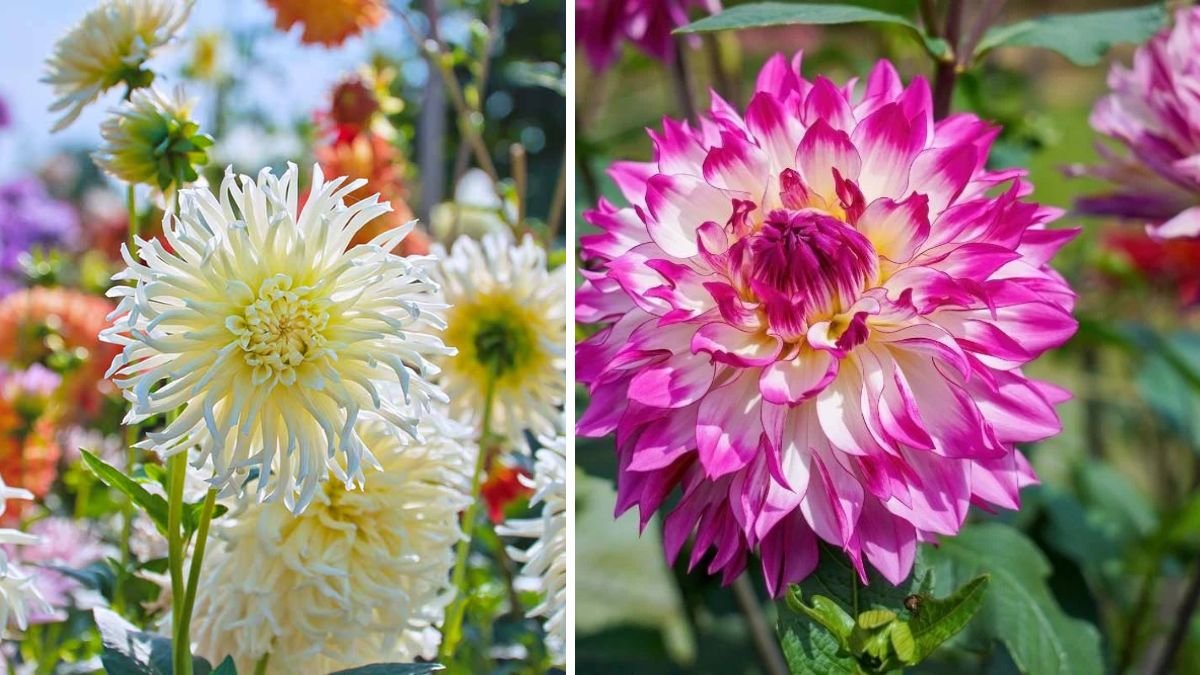
Dahlias, with their stunning array of colors and shapes, are a favorite among gardeners looking to make a vibrant statement in their landscape. While these gorgeous flowers can thrive under various conditions, maximizing the bloom size requires careful attention to growing techniques and care practices. This article will outline effective strategies for growing dahlias, focusing on soil preparation, planting techniques, watering practices, pest management, and maintenance. Additionally, we will include a FAQs section to address common queries about dahlia cultivation.
Understanding Dahlias
Before diving into care techniques, let’s take a moment to understand dahlias themselves. Dahlias belong to the Asteraceae family and originate from Mexico. They are tuberous perennials that produce bushy foliage and stunning flowers ranging from small to giant blooms. The size of the flower depends significantly on the cultivar and the environmental conditions under which they are grown.
Choosing the Right Variety
The first step in maximizing bloom size is selecting the right dahlia variety. There are numerous varieties categorized based on flower shape and size:
- Decorative Dahlias: These have broad petals and come in many colors, often reaching 4-12 inches in diameter.
- Cactus Dahlias: These feature finely pointed petals, making for a unique look, with similar bloom sizes.
- Pompon Dahlias: Smaller, round blooms that can still pack a punch in terms of color.
Opting for larger flowering varieties, such as the Decorative or Cactus types, can give you the biggest blooms.
Soil Preparation
Soil Composition
Dahlias thrive in well-drained, nutrient-rich soil. Aim for a pH level between 6.0 and 7.0. Conduct a soil test if you’re unsure, and amend the soil as needed.
- Organic Matter: Mix in compost or well-rotted manure to improve soil structure, drainage, and nutrient content.
- Drainage: Ensure your planting area has excellent drainage. Consider raised beds if your soil tends to retain water.
Tilling and Aeration
Before planting, till the soil at least 12 inches deep. This aeration promotes root development and encourages the tubers to grow larger. Remove any rocks, weeds, or debris to create a clean, hospitable environment for your dahlias.
Planting Techniques
Timing
The best time to plant dahlias is during spring, after the last frost. Soil temperatures should ideally be between 60-70°F (15-21°C) for optimal growth.
Planting Depth and Spacing
- Depth: Plant your dahlia tubers at least 4-6 inches deep.
- Spacing: Space the tubers 18-24 inches apart to allow ample room for growth and air circulation. Crowded plants may produce smaller blooms due to competition for resources.
Tubers vs. Seeds
While dahlias can be grown from seeds, starting with tubers is generally more effective for maximizing bloom size. Tubers are mature parts of the plant, ensuring that you have a robust start with a greater likelihood of producing large flowers.
Watering Practices
Consistency
Dahlias require consistent moisture, especially during their formative weeks. However, overwatering can lead to tuber rot. Aim for:
- Regular Watering: Water at least 1 inch per week, adjusting based on rainfall.
- Deep Watering: Water deeply to encourage strong root systems. This helps the plants access moisture below the surface.
Mulching
Applying 2-3 inches of mulch around the plants helps retain moisture and regulate soil temperature. It also reduces weed competition, allowing the dahlias to focus on bloom production.
Fertilization
Balanced Nutrients
Dahlias are heavy feeders, so providing them with adequate nutrients is vital.
- Initial Fertilization: When planting, mix a balanced fertilizer rich in phosphorus into the soil to promote root and bloom development.
- Mid-Season Feeding: Fertilize every 4-6 weeks during the growing season, focusing on a formula higher in phosphorus (the middle number in the NPK ratio), as this encourages larger blooms. An example could be a 5-10-10 or 10-20-20 fertilizer.
Organic Options
If you prefer organic options, consider using bone meal, fish emulsion, or compost tea, all rich in nutrients that promote healthy blooms.
Pest Management
Common Pests
Dahlias can fall victim to pests such as aphids, spider mites, and thrips. To help manage these pests effectively:
- Inspection: Regularly check your plants for signs of pests, such as discolored leaves or webbing.
- Natural Predators: Encourage beneficial insects like ladybugs and lacewings that feed on aphids and other pests.
- Neem Oil: Use neem oil or insecticidal soap as a natural treatment for infestations.
Fungal Diseases
Dahlias are also susceptible to fungal diseases like powdery mildew. To prevent these issues:
- Air Circulation: Ensure proper spacing to allow air circulation.
- Watering Practices: Water at the soil level rather than overhead to prevent moisture on the leaves.
Maintenance
Deadheading
Regularly deadhead spent blooms to encourage the plant to produce new flowers. This practice can significantly enhance bloom size and duration, as the plant redirects energy from seed production to flower development.
Support Structures
Larger dahlia varieties may require staking to support heavy blooms. Installing stakes at planting time can prevent root disturbance later on.
Tuber Storage
After the growing season, it’s essential to dig up and store dahlia tubers, especially in colder climates. Proper storage helps ensure future blooms remain large and vigorous.
- Timing: Wait until the foliage has died back after the first frost.
- Cleaning: Carefully dig up the tubers, clean them, and let them dry for a few hours.
- Storage: Store in a cool, dark place in peat moss or vermiculite to prevent rot.
FAQs
1. How long does it take for dahlias to bloom?
Dahlias typically take about 8-12 weeks after planting to bloom, depending on the variety and growing conditions.
2. Can I grow dahlias in pots?
Yes, dahlias can be grown in pots. Choose a container that is at least 12-18 inches deep with good drainage to accommodate their root systems.
3. What should I do if my dahlias are not blooming?
If your dahlias are not blooming, check for issues like nutrient deficiencies, insufficient sunlight, or overcrowding. Providing adequate water and fertilizers may also help.
4. How do I know when to water my dahlias?
Soil should be kept moist, but not soggy. A good rule of thumb is to check the top 1-2 inches of soil. If it feels dry, it’s time to water.
5. Can I propagate dahlias from cuttings?
While dahlias are usually grown from tubers, they can also be propagated from cuttings. However, this method can be more challenging and may not produce as robust plants.
6. What is the best way to manage pests on my dahlias?
Regularly inspect for pests, encourage beneficial insects, and use organic treatments like neem oil or insecticidal soaps if infestations occur.
Conclusion
Maximizing dahlia bloom size involves a combination of proper soil preparation, careful planting techniques, consistent watering, effective pest management, and diligent maintenance. By adhering to the tips and techniques outlined in this article, gardeners can enjoy stunning, large blooms that will enhance any landscape. Whether you’re a novice or an experienced gardener, understanding the needs of dahlias can lead to spectacular results in your garden. Happy gardening!