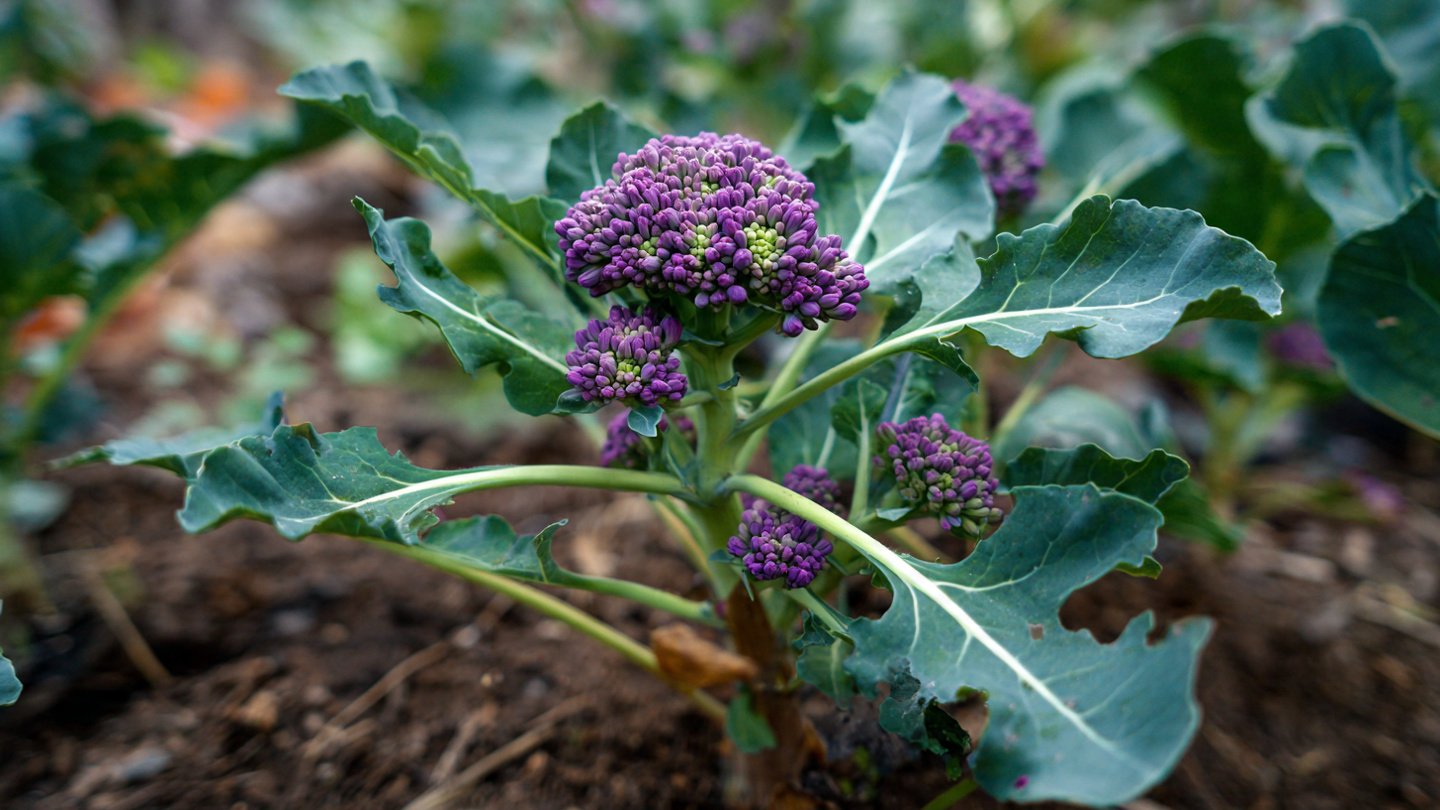
Growing your own vegetables can be incredibly rewarding, and among the most unique and nutritious options is purple broccoli. Often overlooked in favor of its green counterpart, purple broccoli is not just visually appealing; it’s also rich in vitamins and minerals. If you’re a beginner looking to grow this delightful vegetable in your backyard garden, you’re in the right place. This article aims to give you step-by-step guidance along with some easy hacks to ensure a bountiful yield.
Understanding Purple Broccoli
What is Purple Broccoli?
Purple broccoli, or purple sprouting broccoli, is a variety of broccoli that flaunts a vibrant violet hue. The color is due to anthocyanins, which are powerful antioxidants that offer numerous health benefits. This vegetable can be eaten raw or cooked and lends a unique flavor to dishes.
Nutritional Benefits
- Rich in Vitamins: Purple broccoli is high in vitamins C, K, and A.
- Packed with Antioxidants: The vibrant color indicates the presence of antioxidants that combat free radicals in the body.
- Fiber-Rich: It’s an excellent source of dietary fiber, promoting good digestive health.
Choosing the Right Location
Sunlight
Purple broccoli thrives in full sun, meaning it needs at least six hours of direct sunlight daily. When selecting a spot in your garden, look for a location that receives ample sunlight throughout the day.
Soil Quality
Soil quality is crucial for the growth of purple broccoli. Aim for well-draining, sandy loam soil rich in organic matter. Conduct a simple pH test; purple broccoli prefers a slightly acidic to neutral pH (6.0-7.0).
Drainage
Good drainage is vital, as broccoli roots can rot in waterlogged conditions. If your soil tends to retain water, consider building raised beds or using containers with drainage holes.
Planting Purple Broccoli
When to Plant
The best time to plant purple broccoli depends on your growing zone:
- Cooler Climates: Start in early spring or in late summer for a fall harvest.
- Milder Climates: You can plant in late winter for a spring harvest and again in late summer.
Starting Seeds Indoors
If you’re starting seeds indoors, follow these steps:
- Choose Seed Trays: Use seed trays or biodegradable pots for easy transplanting.
- Soil: Fill trays with a high-quality seed-starting mix.
- Sow Seeds: Place seeds about half an inch deep, covering lightly with soil.
- Water: Water gently but thoroughly.
- Light: Place trays in a bright location or use grow lights.
Transplanting Outdoors
Once seedlings have 2-4 leaves and are about 4-6 inches tall, they can be transplanted:
- Harden Off: Gradually acclimate seedlings to outdoor conditions over a week.
- Spacing: Space transplants about 18 inches apart in rows that are 24 inches apart.
- Fertilization: Incorporate a balanced fertilizer during planting.
Care and Maintenance
Watering
Broccoli requires consistent moisture:
- Frequency: Water once a week, more often in hot weather.
- Method: Water at the base of the plant to reduce leaf wetness and prevent disease.
Fertilization
Purple broccoli benefits from nitrogen-rich fertilizers:
- Initial Fertilization: Apply a balanced fertilizer at the time of planting.
- Side-Dressing: Once plants begin to grow, apply additional fertilizer every 4-6 weeks.
Pest Control
Common pests include aphids and cabbage worms:
- Natural Predators: Encourage beneficial insects like ladybugs.
- Organic Sprays: Use insecticidal soap or neem oil if infestations occur.
Disease Prevention
Broccoli is susceptible to diseases like downy mildew and black rot:
- Crop Rotation: Avoid planting broccoli or related crops in the same spot year after year.
- Good Hygiene: Clean tools and remove debris regularly.
Harvesting Purple Broccoli
When to Harvest
Purple broccoli is typically ready to harvest 60-90 days after planting:
- Signs of Ripeness: Look for tightly formed flower heads; the buds should be firm and compact.
- Timing: It’s best to harvest in the morning for optimal freshness.
How to Harvest
To harvest, cut the main stalk about 5 inches beneath the flower head. After the main head is harvested, side shoots may continue to develop and can be harvested as well.
Easy Hacks for Beginners
Hack 1: Companion Planting
Companion planting is a great way to deter pests and improve growth:
- Plant with: Beans, lettuce, and herbs such as basil or mint.
- Avoid with: Cauliflower and other cruciferous vegetables that share similar pests.
Hack 2: Use Mulch
Mulching serves multiple purposes:
- Moisture Retention: Helps retain soil moisture.
- Weed Suppression: Prevents weeds from competing for nutrients.
- Soil Temperature: Keeps soil temperature consistent.
Hack 3: Quick Soil Improvement
To quickly enhance soil quality, consider these methods:
- Compost: Incorporate compost into your garden bed before planting.
- Green Manure: Plant cover crops like clover or vetch in the off-season and green tillage them.
Hack 4: Extend Your Growing Season
Utilize row covers or cloches to extend the growing season:
- Protection from Frost: Keeps plants warm during cooler nights.
- Pest Deterrent: Shields plants from pests.
FAQs
1. How much space do I need for purple broccoli?
Purple broccoli should be spaced about 18 inches apart in rows that are 24 inches apart. This allows adequate air circulation and room for growth.
2. Can I grow purple broccoli in containers?
Yes, purple broccoli can be grown in containers as long as they are deep enough (at least 12 inches) and have proper drainage.
3. How do I prevent pests naturally?
Encouraging beneficial insects, using companion planting, and applying organic pest deterrents like neem oil can help control pests without harsh chemicals.
4. When is the best time to plant purple broccoli?
The best time depends on your climate zone. In cooler climates, plant in early spring or late summer; in milder climates, plant in late winter and again in late summer.
5. What do I do if my purple broccoli is turning yellow?
Yellowing leaves may indicate overwatering, poor nutrient availability, or disease. Check your watering schedule and assess whether you need to fertilize or treat for disease.
6. Are there any specific soil amendments needed for purple broccoli?
Adding compost provides necessary nutrients and improves soil structure. A soil test can help determine if additional amendments are needed.
Conclusion
Growing purple broccoli can be a rewarding endeavor for any beginner gardener. With the right conditions, care, and a few simple hacks, you can enjoy a nutritious and visually stunning addition to your backyard garden. Follow these steps, and you’ll be on your way to harvesting your own beautiful purple broccoli in no time! Happy gardening!