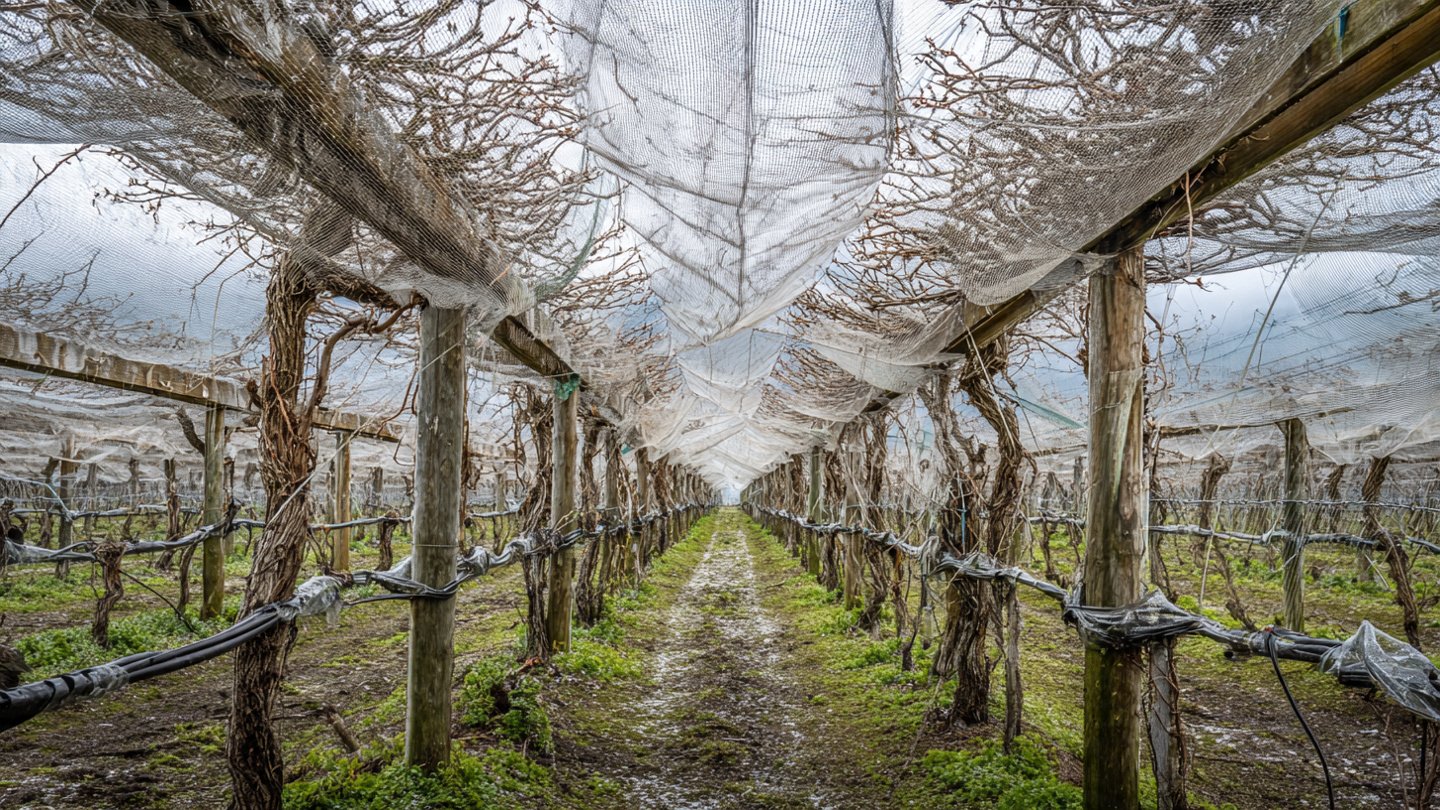
Kiwi vines are cherished for their delicious fruit and attractive foliage, but they can be particularly sensitive to the winter months. Protecting these vines during harsh weather is crucial for maintaining healthy plants that produce fruit in abundance. This article explores the best methods for safeguarding kiwi vines during winter, ensuring they survive and thrive until the next growing season.
Understanding Kiwi Vines
Before diving into protective measures, it’s essential to understand the characteristics of kiwi vines. These vigorous climbers, primarily Actinidia deliciosa for the standard green kiwi and Actinidia arguta for hardy kiwi, are native to subtropical and temperate regions. They require specific conditions to thrive, which can be challenged during winter months, especially in colder climates.
Vulnerability to Temperature and Frost
Kiwi vines are susceptible to frost damage, and temperatures below 20°F (-6°C) can severely impair their growth. Young vines and newly planted specimens are particularly vulnerable. Even established plants can suffer damage to their buds and foliage if not properly protected.
Best Methods for Safeguarding Kiwi Vines
1. Location and Site Selection
Choosing the right location is the first step in winter protection. Placing kiwi vines against south-facing walls or fences can provide additional warmth and shelter. This strategy not only protects vines from cold winds but also helps in harnessing solar heat.
2. Proper Pruning
Pruning plays a dual role in winter protection and optimizing fruit production. In late autumn, before the cold sets in, prune your kiwi vines to remove dead or damaged wood. This not only reduces the risk of disease but also helps the plant conserve energy during dormancy.
How to Prune:
- Remove dead and weak stems.
- Cut back vigorous growth that may be prone to wind damage.
- Ensure you make clean cuts with sterilized tools to prevent disease transmission.
3. Mulching
Applying a good layer of mulch around the base of the kiwi plants is one of the most effective winter protection methods. It helps in insulating the soil, preventing temperature fluctuations that can cause roots to heave. Additionally, mulch retains soil moisture, which is crucial for the roots during the drier winter months.
Recommended Mulching Materials:
- Straw
- Wood chips
- Pine needles
A layer of at least 4-6 inches is recommended for effective insulation.
4. Wrapping Vines
For particularly vulnerable varieties or young plants, consider wrapping the vines. Use breathable materials like burlap or frost cloth. Wrapping protects against frost and extreme temperature drops while allowing moisture to escape.
Steps for Wrapping:
- Start from the bottom and work your way up to minimize cold pockets.
- Ensure the covering is not too tight to prevent girdling.
- Remove covers during warmer days to prevent overheating.
5. Utilizing Frost Cloths or Covers
Frost cloths offer excellent protection against frost and can help maintain a few degrees of warmth around your kiwi vines. These lightweight, breathable fabrics trap heat without suffocating the plant.
How to Use Frost Cloths:
- Place the cloth over the plant when frost is predicted.
- Secure the edges with rocks or stakes to prevent wind from blowing it away.
- Remove during sunny days to allow sunlight in.
6. Greenhouses and Cold Frames
For those in extremely cold regions, investing in a greenhouse or constructing cold frames can be a game-changer. These structures provide a controlled environment where kiwi vines can be sheltered from harsh winter conditions.
Benefits of Greenhouses and Cold Frames:
- Maintain a consistent temperature.
- Protect against freezing temperatures and high winds.
- Allow for extended growing seasons.
7. Planting Hardy Varieties
If you live in a region with harsh winters, consider planting hardy kiwi varieties, such as the Arctic Kiwi (Actinidia arguta). These varieties are more resilient to cold conditions and can withstand lower temperatures than their temperate counterparts.
8. Irrigation Management
While watering is crucial, overwatering in winter can lead to root rot, especially in cold, wet conditions. Ensure that your kiwi vines receive adequate moisture going into winter, but avoid excess water once temperatures drop.
9. Soil Improvement
Healthy soil contributes significantly to the resilience of kiwi vines. Before winter, amend your soil with organic matter to improve drainage and nutrient content. Well-draining soil helps prevent root diseases during freezing temperatures.
10. Pest and Disease Management
Winter can also bring pest challenges. Be vigilant about checking for signs of pests such as scale insects or aphids before winter sets in. Applying horticultural oil in late fall can help suffocate overwintering pests and minimize outbreaks in the spring.
Creating a Winter Care Schedule
Developing a winter care schedule can help ensure your kiwi vines receive consistent attention and protection. Here’s a suggested timeline:
-
Late Fall (October – November):
- Prune vines and apply mulch.
- Wrap young or sensitive vines.
-
Winter (December – February):
- Monitor soil moisture; water if necessary.
- Monitor for pests and diseases.
-
Early Spring (March):
- Remove protective coverings once the risk of frost has passed.
- Begin regular care as new growth emerges.
FAQs
1. When should I cover my kiwi vines for winter protection?
It’s advisable to cover your kiwi vines before the first frost is predicted, typically in late fall.
2. Can I use plastic to wrap my kiwi vines?
Avoid using plastic wrap, as it can trap moisture and lead to mold growth. Instead, use breathable fabrics like burlap or frost cloth.
3. How much mulch should I apply around my kiwi vines?
A layer of 4-6 inches of organic mulch is generally recommended to provide adequate insulation against cold.
4. Are there specific fertilizer needs for kiwi vines before winter?
Applying organic compost in late fall can help nourish the soil without risking excessive nitrogen, which may promote growth instead of dormancy.
5. What is the best way to prune kiwi vines?
Focus on removing dead or weak stems and cutting back vigorous growth while ensuring clean cuts to promote healthy regrowth in the spring.
6. How do I know if my kiwi vines are suffering from frost damage?
Signs of frost damage include blackened, wilted leaves and dead buds. Regular monitoring will help you catch these signs early.
7. Can kiwi vines survive winter without any protection?
In mild climates, kiwi vines may survive without special protection, but for regions with harsh winters, protective measures are crucial to ensure their survival.
Conclusion
Safeguarding kiwi vines during the winter months requires a proactive approach and knowledge of their specific needs. By employing these protective methods, you can not only ensure the survival of your kiwi vines but also set the stage for a fruitful and thriving growing season. Adapting your care regimen to suit the climate and taking preventative measures can make all the difference in your success with these delightful plants.