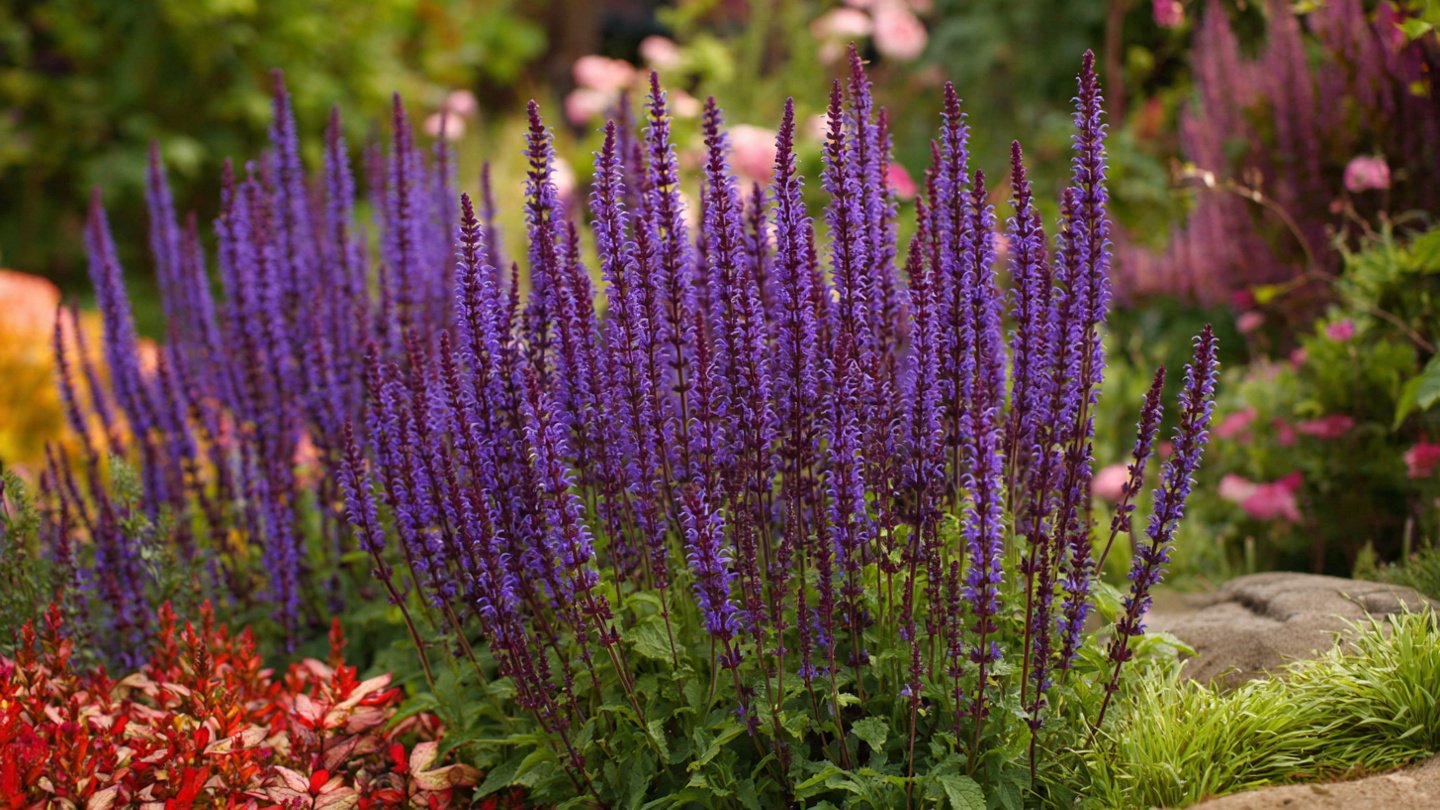
Salvia, known for its vivid colors and tall flower spikes, is both a stunning ornamental plant and a vital addition to gardens that attract pollinators. With a diverse range of species, salvia plants can thrive in different conditions and can be used in various landscape designs. This guide explores all the essential steps to cultivate salvia successfully at home, ensuring that you achieve robust growth and vibrant blooms.
1. Understanding Salvia
1.1 Species Overview
Salvia is a vast genus within the Lamiaceae family, encompassing over 900 species. The most widely cultivated species include:
- Salvia nemorosa (Woodland sage): Known for its tall spikes and purple-blue flowers, it’s ideal for borders.
- Salvia splendens (Scarlet Sage): This variety features bright red spikes, often used in bedding designs.
- Salvia guaranitica (Anise-scented Sage): This species flaunts beautiful blue flowers and is prized for its height and fragrance.
1.2 Ideal Growing Conditions
Salvia can thrive in various environmental conditions but generally prefers:
- Sunlight: Full sun (at least 6–8 hours of direct sunlight daily).
- Soil: Well-draining soil with a pH between 6.0 and 7.5. Sandy loam is ideal.
- Water: Moderate watering is crucial; overwatering can lead to root rot.
2. Selecting the Right Variety
Choosing the appropriate salvia species for your garden is essential. Consider the following factors:
- Climate: Some species are more tolerant of dry and hot conditions, while others prefer cooler climates. For example, Salvia microphylla performs well in warmer regions.
- Purpose: If you’re looking to attract pollinators, select varieties that bees, hummingbirds, and butterflies find appealing.
- Blooming Season: Some savias bloom in early spring, while others peak during summer.
3. Preparing for Planting
3.1 Site Selection
Choose a site with full sunlight and well-drained soil. Avoid areas where water tends to pool, as salvia roots are susceptible to rot.
3.2 Soil Preparation
Enhance your soil’s quality by incorporating organic matter. Here’s how to prepare your soil:
- Test Soil pH: Use a kit to determine the pH. Amend as necessary to achieve the ideal range.
- Add Organic Matter: Compost or well-rotted manure boosts soil fertility and drainage.
- Tilling: Loosen the soil about 12 inches deep to enhance aeration.
4. Propagating Salvia
4.1 From Seeds
Salvia can easily be propagated from seeds.
- Timing: Start seeds indoors 6–8 weeks before the last frost in your area.
- Method: Sow seeds in a seed-starting mix, covering them lightly with soil.
- Watering: Keep the soil slightly moist but not soggy.
- Germination: Expect seeds to germinate within 2–3 weeks.
4.2 From Cuttings
Propagating via cuttings is another effective method:
- Select Healthy Stems: Cut 4–6 inch sections from new growth.
- Rooting Hormone: Dip the cut end in rooting hormone to increase success.
- Planting: Place in moist potting mix and cover with plastic to maintain humidity.
- Transplanting: After roots develop (around 4–6 weeks), pot them in individual containers.
5. Transplanting
Once seedlings or cuttings have established roots, it’s time to transplant them outdoors:
- Timing: Choose a cloudy day or late afternoon to minimize transplant shock.
- Spacing: Space plants 12–18 inches apart, depending on the variety and overall garden design.
- Planting Depth: Plant salvia at the same depth as grown in the container. Fill in with soil, pressing gently around the base.
6. Watering and Fertilizing
6.1 Watering
- Initial Watering: After transplanting, water thoroughly to settle the soil.
- Ongoing Watering: Water at the base of the plant when the top inch of soil feels dry. Avoid overhead watering to minimize fungal diseases.
- Drought Tolerance: Once established, salvia is relatively drought-tolerant.
6.2 Fertilizing
- Early Growth: Fertilize with a balanced, all-purpose fertilizer every 4-6 weeks during the growing season.
- Avoid Over-fertilization: Excessive nutrients can lead to leggy growth.
7. Maintenance
7.1 Pruning
- Deadheading: Regularly remove spent flowers to encourage continuous blooming throughout the season.
- Cut Back in Fall: After the first frost, cut back dead stems to ground level to promote healthy growth in the spring.
7.2 Pest and Disease Management
- Common Pests: Monitor for aphids, spider mites, and whiteflies. Use insecticidal soap or neem oil for treatment.
- Diseases: Fungal diseases can occur in overly wet conditions; ensure adequate air circulation and avoid wetting foliage.
7.3 Winter Care
In colder regions, it’s essential to protect salvia during winter:
- Mulching: Apply a 2-3 inch layer of mulch around the base to insulate roots.
- Covering: Consider covering plants with burlap or garden fabric during extreme cold snaps.
8. Enjoying Your Salvia
Once your salvia is established, enjoy the vibrant colors and attract pollinators to your garden. Consider using the flowers in arrangements or as accents in your landscape design.
FAQs
Q1: How long does it take for salvia to bloom after planting?
Typically, salvia takes about 8 to 10 weeks from planting to bloom, depending on the variety and growing conditions.
Q2: Can I grow salvia in pots?
Yes, salvia can be grown successfully in containers. Ensure the pot has drainage holes and use a well-draining potting mix.
Q3: How do I deadhead salvia flowers?
To deadhead, simply remove spent flowers by pinching or cutting them back to the first full set of leaves.
Q4: Is salvia drought-tolerant?
Yes, once established, salvia is quite drought-tolerant. However, they do appreciate regular watering during dry spells for optimal growth.
Q5: How do I prevent pests on my salvia plants?
Regularly inspect your plants for any sign of pests. If they appear, treat them promptly with insecticidal soap or neem oil. Ensuring good airflow and avoiding overhead watering can help prevent infestations.
Q6: Can salvia attract bees and butterflies?
Absolutely! Salvia is well-known for attracting pollinators like bees and butterflies due to its vibrant flowers and nectar-rich blooms.
Q7: What is the best time to plant salvia outdoors?
The best time to plant salvia outdoors is after the danger of frost has passed, typically in late spring, depending on your region.
Conclusion
Cultivating salvia can lead to a stunning display in your garden, providing height, color, and attracting wildlife. By understanding the species, preparing your soil, and maintaining care, you can achieve tall, vibrant flower spikes that will enhance any landscape. The joy of gardening enhances further as you witness the pollinators flocking and the beauty of your blossoming salvia. Happy gardening!