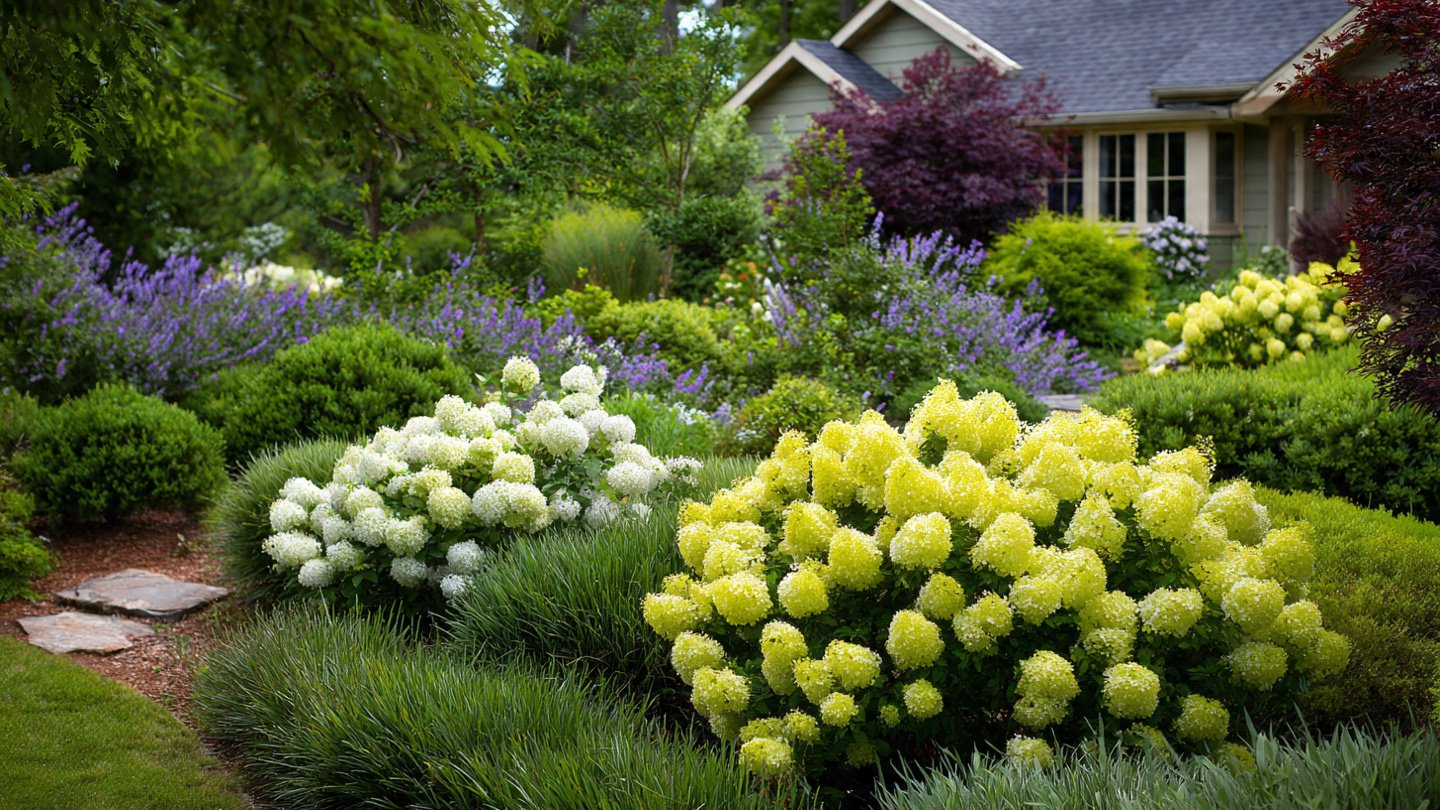
Ornamental shrubs are a fundamental part of home landscaping, adding beauty, structure, and dimension to gardens and outdoor spaces. Whether you have a sprawling estate or a compact city yard, ornamental shrubs can enhance your landscape significantly. Here’s a detailed guide on tips and techniques for growing beautiful ornamental shrubs in your home landscape.
1. Understanding Your Space
Assess Your Landscape
Before planting, evaluate your existing landscape:
- Sunlight: Observe how much light different areas receive throughout the day. Some shrubs thrive in full sun, while others prefer partial shade or full shade.
- Soil Type: Knowing your soil composition (sandy, clay, loamy) can help you choose the right shrubs. Different species have varying preferences for soil drainage and pH levels.
- Space Availability: Consider the mature size of the shrubs. Ensure there’s enough room for growth without overcrowding.
Choose the Right Location
Select locations that complement your home’s architecture and existing landscape. Creating focal points, such as planting clusters of shrubs or using them to frame pathways, enhances visual appeal.
2. Selecting the Right Shrubs
Planting Native Species
Native shrubs are adapted to local weather and soil conditions, making them easier to care for. They also provide habitats for local wildlife.
Understanding Variety
Consider the following categories of ornamental shrubs:
- Flowering Shrubs: Such as hydrangeas and azaleas, which offer beauty in bloom.
- Evergreen Shrubs: Like boxwood and holly, providing year-round color and structure.
- Deciduous Shrubs: These shrubs, like forsythia, shed leaves seasonally but can offer vibrant fall color.
Consult Local Nurseries
Talk to local gardening experts or staff at nurseries to get recommendations on shrubs that thrive in your area. They can provide insights into proper care and maintenance.
3. Soil Preparation
Test Your Soil
Conduct a soil test to determine pH, nutrient levels, and drainage capacities. Many local extension services offer soil testing kits. The results will guide you on nutrient amendments needed for optimal shrub growth.
Amend Your Soil
Based on the soil test results, amend your soil with organic matter, compost, or other fertilizers. Good soil composition promotes strong root development and overall plant health.
4. Planting Techniques
Proper Planting Depth
When planting, dig a hole that is twice as wide but no deeper than the root ball. The top of the root ball should be level with or slightly above the surrounding soil to prevent water from pooling around the base.
Spacing
Allow adequate spacing between shrubs to enable proper air circulation and reduce the risk of diseases. Check the specific spacing requirements for each shrub variety.
5. Watering Strategies
Establishing a Water Routine
Newly planted shrubs need consistent moisture to establish roots. Water deeply once or twice a week, adjusting frequency based on rainfall and soil dryness.
Avoid Overwatering
Ensure proper drainage to prevent root rot. Utilizing mulch helps maintain soil moisture while preventing weeds.
6. Pruning and Maintenance
Understand Pruning Needs
Regular pruning encourages healthy growth and shapes the shrub. Research when and how to prune specific varieties. Generally, early spring is suitable for most flowering shrubs, while evergreens can be pruned in late winter.
Remove Dead or Diseased Branches
Regularly inspect shrubs for dead or diseased branches and remove them promptly. This practice helps to maintain plant health and prevent the spread of disease.
Fertilizing
Fertilize shrubs according to their needs. A balanced organic fertilizer can support growth during the growing season. Be cautious not to over-fertilize, as this can damage plants.
7. Pest and Disease Management
Regular Inspections
Inspect your shrubs regularly for signs of pests and diseases. Look for discoloration, wilting, or unusual growth patterns.
Integrated Pest Management
Consider using integrated pest management (IPM) strategies, such as:
- Encouraging Beneficial Insects: Ladybugs and lacewings help control aphid populations.
- Natural Remedies: Neem oil or insecticidal soap can deter harmful pests.
Chemical Treatments
If necessary, follow the label instructions for any chemical treatments and consider consulting a professional for severe infestations.
8. Seasonal Care
Winter Preparation
In colder climates, consider wrapping tender shrubs or applying mulch for insulation. Protect them from heavy snow loads that can break branches.
Spring Cleanup
In early spring, perform a cleanup by removing dead leaves, debris, and old mulch. This allows new growth to thrive.
Summer Maintenance
During the summer, keep an eye on moisture levels, especially during hot spells. Regularly deadhead spent blooms to encourage further flowering.
9. Enhancing Aesthetic Appeal
Layering and Grouping
Consider planting shrubs in layers for depth. Mix different heights, shapes, and color variations to create visual interest. Groupings can provide a more natural look.
Seasonal Color
Choose shrubs that bloom at different times throughout the year to ensure you have color in your landscape year-round. Incorporate evergreen varieties for winter interest.
Companion Planting
Pair ornamental shrubs with other plants that have complementary heights, colors, and textures. This technique can enhance your garden’s allure.
10. Sustainability Practices
Water Conservation
Utilize drip irrigation or rain barrels to conserve water. Native and drought-tolerant shrubs also reduce water needs.
Avoiding Invasive Species
Choose non-invasive species to prevent them from crowding out native plants and disrupting local ecosystems.
Organic Practices
Utilizing organic fertilizers and pest control methods contributes to a healthier environment and ecosystem.
Frequently Asked Questions (FAQs)
1. What is the best time to plant ornamental shrubs?
The best time is typically in the spring or fall when temperatures are moderate, allowing roots to establish before extreme weather.
2. How can I tell if my shrubs are getting enough water?
Check the soil moisture. If the top inch of soil is dry, it’s time to water. Leaves that are wilting or turning yellow may also indicate a lack of water.
3. Should I prune my shrubs every year?
It depends on the type of shrub. Some benefit from annual pruning, while others may only need it every few years. Research specific varieties for optimal care recommendations.
4. What are some common pests that affect ornamental shrubs?
Common pests include aphids, spider mites, and scales. Regular inspections can help catch infestations early.
5. How can I protect my shrubs from harsh winter conditions?
Applying a thick layer of mulch around the base can help insulate roots. For tender species, wrapping them or covering with burlap can also provide protection.
Growing ornamental shrubs can significantly enhance your home’s landscape, providing beauty and structure. By following these tips and techniques, you’ll be on your way to cultivating a thriving and aesthetically pleasing environment. Happy gardening!