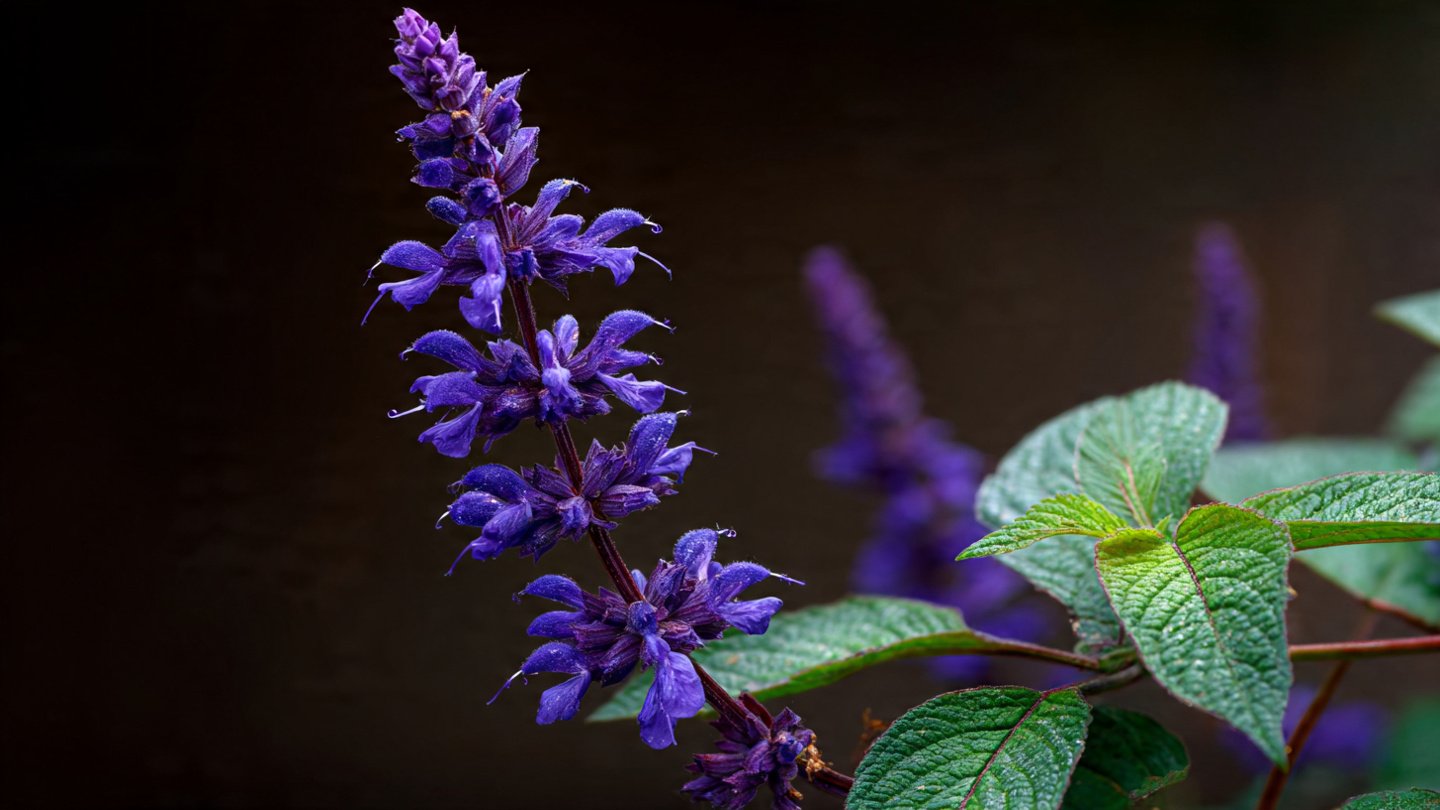
Salvia, commonly known as sage, is a versatile and vibrant plant that belongs to the mint family. It is popular for its aromatic leaves, beautiful flowers, and various uses in both culinary and ornamental applications. Growing salvia from seed can be a rewarding endeavor for gardeners of all skill levels. This ultimate guide outlines everything you need to know about successfully growing salvia from seed in your garden, ensuring a flourishing and colorful display.
Understanding Salvia
Salvia comprises nearly 1,000 species, ranging from culinary herbs to ornamental varieties. The most commonly grown types include:
- Salvia officinalis (Common Sage): Known for its culinary uses.
- Salvia nemorosa (Wood Sage): Valued for its flowers and deer resistance.
- Salvia splendens (Scarlet Sage): Popular in landscaping for vibrant blooms.
Benefits of Growing Salvia
- Aesthetic Appeal: Salvia plants bloom in various colors, adding visual interest to any garden.
- Wildlife Friendly: Salvia attracts pollinators like bees and butterflies.
- Culinary Uses: Many varieties have edible leaves that enhance dishes.
- Low Maintenance: Most salvia plants are drought-tolerant and resilient.
Choosing the Right Varieties
Before planting, it’s essential to select the right salvia variety suited for your climate and garden style. Consider the following:
- Climate Compatibility: Some varieties thrive in warmer climates, while others prefer cooler conditions.
- Purpose: Decide if you want salvia for cooking, ornamental purposes, or to attract wildlife.
- Growth Habit: Some species grow tall and upright, while others are more compact and bushy.
Popular Varieties to Consider
- Salvia officinalis – A must-have for culinary enthusiasts.
- Salvia nemorosa ‘Caradonna’ – Known for its deep purple flowers and compact growth.
- Salvia farinacea – Great for attracting butterflies, with striking blue flowers.
Preparing to Grow Salvia from Seed
Step 1: Gather Your Materials
- Seeds: Purchase high-quality seeds from a reputable supplier.
- Containers: Use seed trays or pots with drainage holes.
- Seed-Starting Mix: A light, well-draining mix is ideal.
- Labels: To keep track of different varieties.
- Watering Can or Spray Bottle: For gentle watering.
- Plastic Cover or Cling Film: For humidity control.
Step 2: Timing Your Planting
Salvia seeds should be started indoors 6 to 8 weeks before the last frost date in your area. You can also sow seeds directly outdoors once the danger of frost has passed, ideally in late spring or early summer.
Step 3: Seed Preparation
Some salvia seeds benefit from cold stratification. This involves placing seeds in the refrigerator for several weeks to mimic winter conditions. This process can enhance germination rates.
Planting Salvia Seeds
Step 1: Fill Containers
Fill your seed trays or pots with a seed-starting mix, leaving about an inch of space at the top. Moisten the mix lightly with water before planting.
Step 2: Sow the Seeds
- Spacing: Salvia seeds should be sown at a depth of about 1/4 inch. Space seeds at least 12 inches apart to give them room to grow.
- Covering: Lightly cover the seeds with more seed-starting mix. Avoid packing the soil too tightly – salvia seeds require light to germinate.
Step 3: Watering
Gently water the tray using a spray bottle or watering can to avoid displacing the seeds. Ensure the soil remains moist but not soggy.
Step 4: Provide Optimal Conditions
- Light: Place the containers in a sunny location or under grow lights for 12 to 16 hours a day.
- Temperature: Maintain a temperature of around 70°F (21°C), which is ideal for germination.
Caring for Seedlings
Watering and Feeding
Once the seedlings have emerged (usually 14 to 21 days after planting), continue to water them regularly. Use a diluted water-soluble fertilizer every couple of weeks to promote healthy growth.
Thinning
If multiple seedlings sprout closely together, thin them out by snipping the weaker ones at the base. This ensures that the remaining seedlings have enough space to grow.
Transplanting
Step 1: Hardening Off
Before transplanting outside, acclimate your seedlings to outdoor conditions over a week. Start by placing them outside for a few hours each day, gradually increasing their time outdoors.
Step 2: Choosing a Location
Select a well-draining area that receives full sun to partial shade. Salvia typically thrives in full sun conditions.
Step 3: Transplanting
- Timing: Transplant seedlings outdoors after the last frost date.
- Spacing: Space the plants 12 to 24 inches apart, depending on the variety.
- Hole Preparation: Dig holes slightly larger than the root ball and gently place each seedling in the ground.
Ongoing Care
Watering
Once established, salvia is relatively drought-tolerant. Water them deeply but infrequently, allowing the soil to dry out between waterings.
Fertilizing
Use a balanced fertilizer once every month during the growing season to promote vigorous growth and flowering.
Pruning
Regularly deadhead spent flowers to encourage more blooms and prevent the plant from focusing energy on seed production. You can also prune back any leggy growth in early spring to maintain a bushy appearance.
Pest and Disease Management
Salvia is generally pest-resistant, but occasional issues may arise. Watch for:
- Aphids: These tiny insects can be removed with a strong stream of water or insecticidal soap.
- Powdery Mildew: Ensure good air circulation and avoid overhead watering to minimize this fungal issue.
Harvesting and Storage
For culinary varieties like Salvia officinalis, harvest leaves as needed. For ornamental varieties, enjoy the flowers as they bloom throughout the growing season.
Seed Saving
If you plan to save seeds, allow the seed heads to mature on the plant. Once dried, collect and store seeds in a cool, dark place.
FAQs
1. How long does it take for salvia seeds to germinate?
Salvia seeds typically germinate within 14 to 21 days under optimal conditions.
2. Can I grow salvia in pots?
Yes, salvia grows well in pots. Ensure the container has drainage holes and use a quality potting mix.
3. How often should I water salvia?
Water salvia deeply but infrequently. Allow the soil to dry out between watering, especially once established.
4. Is salvia perennial or annual?
Many salvia species are perennials, while others, like Salvia splendens, are often grown as annuals.
5. Can salvia attract beneficial insects?
Yes, salvia attracts pollinators such as bees and butterflies, making it beneficial for your garden ecosystem.
6. How do I prevent pests on my salvia plants?
Maintain good air circulation, avoid overcrowding, and promptly remove any infested plant material. You can use insecticidal soap or neem oil if pests appear.
7. What type of soil is best for growing salvia?
Salvia prefers well-draining, sandy or loamy soil. Avoid overly rich or heavy soils that retain too much moisture.
Conclusion
Growing salvia from seed can significantly enhance your garden’s beauty, attract wildlife, and even provide culinary delights. With the right knowledge and care, you can cultivate this resilient plant successfully. By following the steps outlined in this guide, you’ll be well on your way to enjoying the myriad benefits of salvia in your garden. Happy gardening!