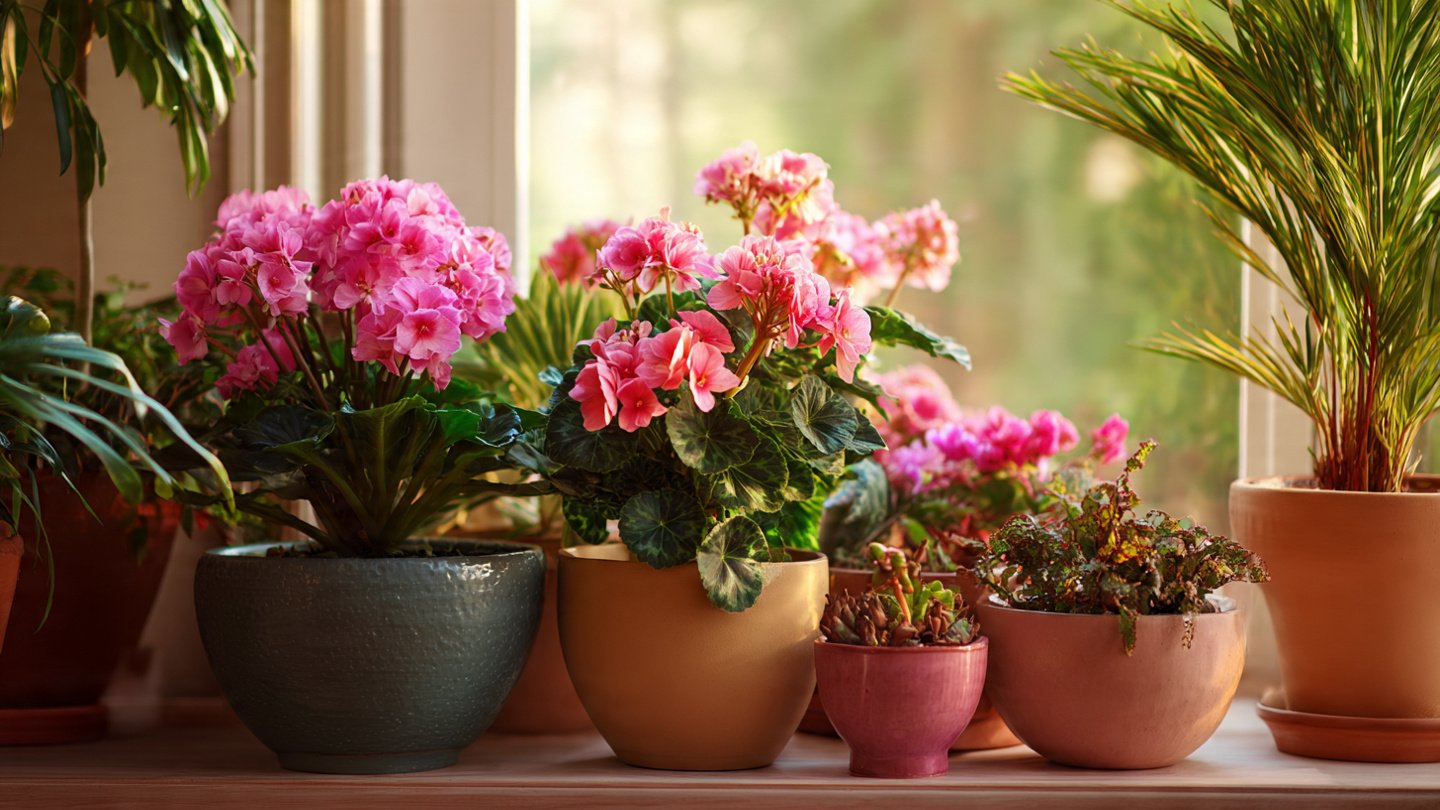
In recent years, indoor gardening has surged in popularity, with flowering houseplants taking center stage. These vibrant additions not only enhance the beauty of your living space but also have numerous mental and physical health benefits. If you’re looking to cultivate a stunning indoor garden filled with blooming plants, you’re in the right place. This guide will provide you with valuable insights on choosing, nurturing, and maintaining flowering houseplants successfully.
Why Choose Flowering Houseplants?
Flowering houseplants add vibrancy and color to your home, lifting your mood and creating a more inviting atmosphere. Here are a few compelling reasons to consider incorporating them into your space:
-
Aesthetics: The beauty of blossoms can transform any room. From the lush petals of orchids to the delicate blooms of African violets, the options are virtually endless.
-
Air Quality: Many flowering houseplants can help improve indoor air quality by absorbing toxins and releasing oxygen.
-
Mental Health Benefits: Studies show that caring for plants can reduce stress levels and enhance overall well-being.
-
Biodiversity and Nature Connection: Having plants in your home can foster a connection with nature, enriching your living environment.
Choosing the Right Flowering Houseplants
Selecting the right flowering houseplants is crucial. Consider your living space, lighting conditions, and the time you can dedicate to plant care. Here are some popular choices to get you started:
1. Orchids (Phalaenopsis)
Light Requirements: Bright, indirect light
Watering: Every 1-2 weeks, allowing the potting medium to dry between waterings
Care Tips: Feed with a balanced fertilizer every other week during the growing season.
Orchids are exquisite and relatively low-maintenance. Their unique shapes and diverse color palette make them a favorite among indoor gardeners.
2. African Violets (Saintpaulia)
Light Requirements: Bright, indirect light
Watering: Keep the soil consistently moist but not soggy
Care Tips: Water from the bottom to avoid leaf spotting.
These compact plants are perfect for windowsills, providing a splash of color with blooms that can last for weeks.
3. Peace Lily (Spathiphyllum)
Light Requirements: Low to bright, indirect light
Watering: Water when the top inch of soil feels dry
Care Tips: Keep the leaves dust-free for better photosynthesis.
Peace lilies are renowned for their stunning white flowers and ability to thrive in less than ideal conditions.
4. Begonias (Begonia spp.)
Light Requirements: Bright, indirect light
Watering: Keep the soil slightly moist, but allow the top layer to dry out
Care Tips: Remove dead flowers to encourage more blooms.
With their lush foliage and vibrant flowers, begonias can bring a lush, tropical feel to your home.
5. Geraniums (Pelargonium)
Light Requirements: Full sun to partial shade
Watering: Water when the top inch of soil feels dry
Care Tips: Pinch back stems to encourage a bushier growth.
Geraniums are easy to grow and come in a variety of colors, making them a classic choice for any home.
How to Care for Flowering Houseplants
Proper care is essential for ensuring your flowering houseplants thrive. Here are key factors to consider:
1. Light
Understanding the light requirements of your plants is crucial. Use sheer curtains to diffuse harsh sunlight or move plants to areas where they receive ample indirect light. Observe your plants—if they’re stretching towards the light, they might need more exposure. Conversely, yellowing leaves could indicate too much direct sunlight.
2. Watering
Watering needs vary from plant to plant. Overwatering is a common mistake among houseplant owners, leading to root rot. Always ensure pots have drainage holes, and let the soil dry out slightly between waterings. Develop a schedule—monthly for some varieties and weekly for others.
3. Humidity
Most flowering houseplants enjoy humidity. If your home is dry—particularly in winter—consider using a humidity tray, misting your plants, or placing a small humidifier nearby.
4. Temperature
Most houseplants thrive in temperatures between 65°F to 75°F (18°C to 24°C). Avoid placing plants near cold drafts or heating vents, as fluctuations can be detrimental.
5. Fertilization
During the growing season (spring and summer), provide your flowering houseplants with a balanced liquid fertilizer every 4-6 weeks. Reduce or halt fertilization in the fall and winter when growth typically slows.
6. Pruning and Deadheading
Regular pruning helps maintain shape and encourages new blooms. Deadhead spent flowers to direct the plant’s energy toward new growth. Remove any yellowed or brown leaves to keep your plants healthy.
Repotting Flowering Houseplants
Repotting is necessary every couple of years or when your plant outgrows its current container. Here’s how to do it effectively:
-
Choose the Right Pot: Select a pot that is 1-2 inches larger in diameter than the current one and offers proper drainage.
-
Potting Mix: Use a high-quality potting mix suitable for your specific plant type.
-
Gentle Handling: Carefully remove the plant from its old pot, loosening the roots if they are bound.
-
Watering: Water the plant thoroughly after repotting.
Troubleshooting Common Problems
1. Yellow Leaves
- Cause: Overwatering or insufficient light
- Solution: Adjust watering habits or relocate the plant to a brighter spot.
2. Wilting
- Cause: Underwatering or overwatering
- Solution: Assess soil moisture and adjust your watering schedule accordingly.
3. Pest Infestations
- Common Pests: Aphids, spider mites, and mealybugs
- Solution: Isolate affected plants and treat with insecticidal soap or neem oil.
4. Dropping Flowers
- Cause: Stress from environmental changes or root issues
- Solution: Ensure proper care and monitor for changes.
FAQs
1. How much light do flowering houseplants need?
Most flowering houseplants thrive in bright, indirect light. However, specific needs can vary, so always check the requirements for your particular plant.
2. How often should I water my flowering houseplants?
Watering frequency depends on the plant and environmental conditions. Generally, allow the top inch of soil to dry before watering again.
3. Do flowering houseplants need fertilizer?
Yes, during the growing season (spring/summer), most flowering houseplants benefit from a balanced fertilizer every 4-6 weeks.
4. Can I grow flowering houseplants in low light conditions?
Some flowering plants, like peace lilies, can tolerate low light. However, most will thrive with brighter conditions.
5. What should I do if my plant develops pests?
Isolate the affected plant and treat it with insecticidal soap or neem oil. Regularly inspect your plants to catch infestations early.
6. How do I encourage more blooms?
Proper care—adequate light, appropriate watering, and timely deadheading—are key to encouraging flowering in houseplants.
7. When is the best time to repot my plants?
Spring is the ideal time to repot flowering houseplants, as they begin to enter their active growth phase.
Conclusion
Cultivating beautiful flowering houseplants at home is a rewarding venture, offering aesthetic appeal and numerous benefits. With the right choices, care, and attention, you can create an indoor oasis that flourishes with vibrancy and life. So gather your pots, soil, and plants, and embark on the journey of indoor gardening! Happy planting!