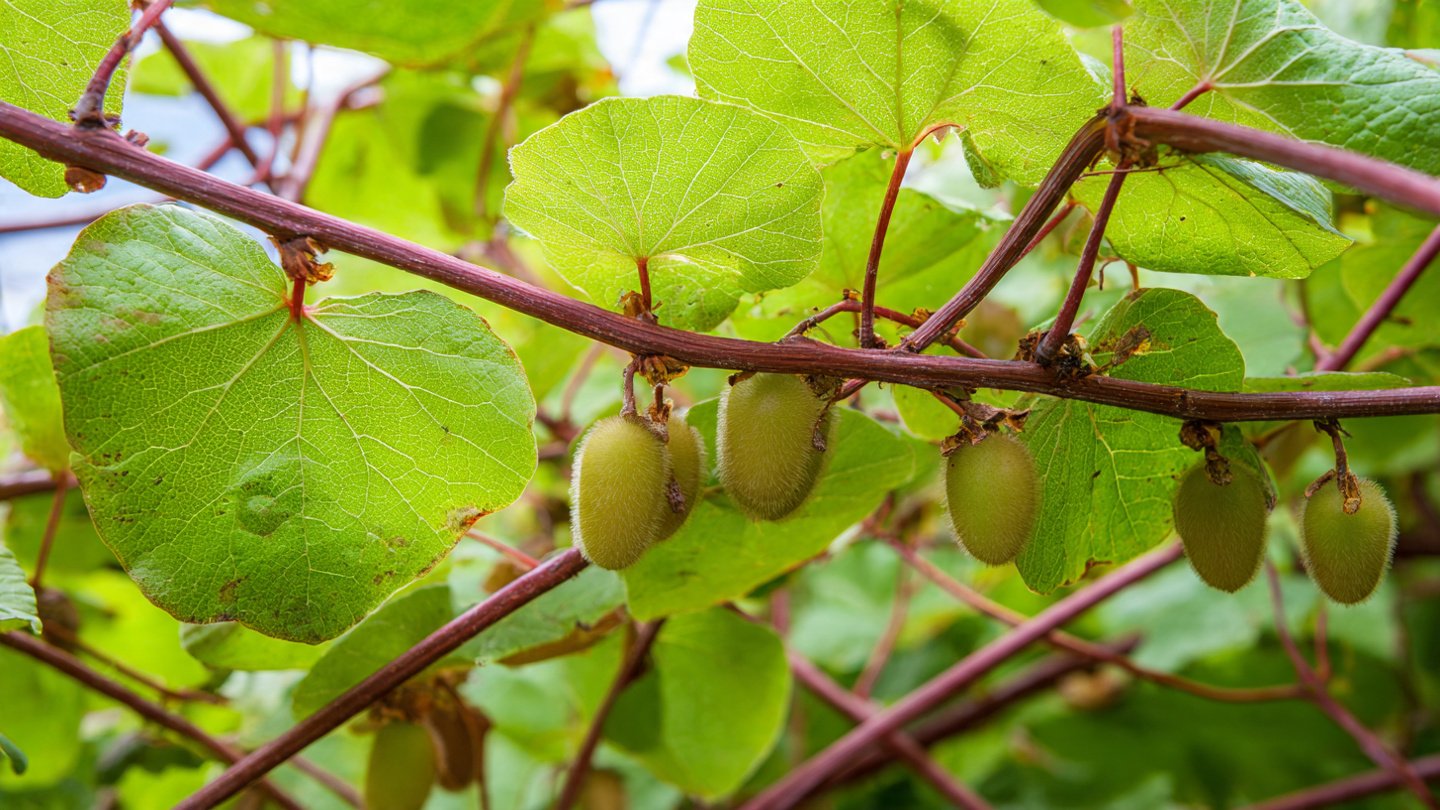
Growing kiwi in small spaces is not only feasible but can also yield a delicious and nutritious fruit that is a favorite among many gardeners. Compact kiwi vines, specifically the hardy kiwi (Actinidia arguta) and the baby kiwi (Actinidia arguta ‘Hardy’), offer a manageable size without compromising on flavor or quantity. This article will dive into the techniques and best practices for successfully growing compact kiwi vines in limited spaces, ensuring maximum yield and satisfaction from your gardening endeavor.
Understanding Kiwi Vines
Types of Kiwi
Before diving into the cultivation process, it’s essential to know the types of kiwi suitable for small spaces:
-
Hardy Kiwi (Actinidia arguta): Also known as Arctic kiwi, these are small, smooth-skinned fruits with a sweet flavor. They are cold-hardy and well-suited to temperate climates, making them an excellent choice for compact gardens.
-
Baby Kiwi (Actinidia arguta ‘Hardy’): Smaller than the traditional kiwi, these are easy to grow and have a sweeter, more aromatic flavor. They’re ideal for small spaces due to their manageable vine size.
-
Fuzzy Kiwi (Actinidia deliciosa): While more common, these larger kiwis typically require more space and are less suitable for small gardens.
Vining Nature
Kiwi vines are vigorous climbers, meaning they require support for optimal growth. Their natural tendency to climb makes them ideal candidates for vertical gardening, even in limited green spaces.
Soil and Location
Selecting the Right Soil
Kiwi vines prefer well-draining, loamy soil rich in organic matter. Here are some tips for creating the ideal soil environment:
- pH Level: Aim for a slightly acidic to neutral pH (between 5.5 and 7.0).
- Organic Matter: Incorporate compost or well-rotted manure to enhance nutrient content and drainage.
- Drainage: Ensure the planting area has good drainage, as waterlogged roots can lead to rot.
Choosing the Right Location
Kiwi vines thrive in full sun, requiring at least six hours of direct sunlight daily. Here are a few recommendations for site selection:
- Sheltered Spots: Protect them from harsh winds and late frosts, which can damage the young vines and flowers.
- Vertical Spaces: Consider utilizing walls, fences, or trellises to maximize vertical space and encourage climbing.
Planting Your Kiwi Vines
When to Plant
The ideal planting time is in early spring after the last frost, giving the vines a full growing season. Planting can also take place in the fall in mild climates, but spring planting is preferred for most gardeners.
Planting Steps
-
Spacing: Provide at least 4 to 5 feet of space between each vine to allow adequate airflow and growth.
-
Digging Holes: Prepare planting holes that are twice as wide and deep as the root ball of your plant.
-
Planting: Place the vine in the center of the hole, cover roots with soil, and water well to eliminate air pockets.
-
Support Structure: Introduce a sturdy trellis or support system when planting. This will give the vines something to climb and expand vertically rather than horizontally.
Caring for Your Kiwi Vines
Watering
Kiwi vines require regular watering, especially during dry spells. Follow these guidelines:
- Consistency: Water consistently but avoid overwatering; the top inch of soil should dry out between watering.
- Mulch: Apply a layer of organic mulch around the base after planting to help retain moisture and suppress weeds.
Fertilizing
Kiwi vines benefit from a balanced fertilizer high in potassium, especially in their growing season. Fertilize in early spring with a slow-release option, and reapply as needed throughout the growing season.
Pruning
Pruning is essential for maximizing kiwi yields. Here’s how to do it effectively:
- Timing: Prune during the dormant season (late winter to early spring) before new growth begins.
- Thinning: Remove dead or damaged wood and thin out overcrowded areas to promote airflow and sunlight.
- Training: Train the vines along your support structure. This allows for better fruit exposure to sunlight and easier harvesting.
Encouraging Pollination
Understanding Kiwi Pollination
Kiwi plants can be dioecious, meaning that male and female plants are separate. For fruit production, you’ll need both male and female vines.
- Male Vines: Produce flowers that attract pollinators but do not bear fruit.
- Female Vines: Produce the fruit. Ensure at least one male vine is planted for every 4-6 female vines to enhance pollination.
Attracting Pollinators
To improve pollination rates, consider planting bee-friendly flowers nearby to attract pollinators. This will help increase the chances of getting a good fruit set.
Managing Pests and Diseases
Common Issues
Although kiwi vines are generally hardy, they can be susceptible to certain pests and diseases:
- Pests: Aphids, spider mites, and mealybugs can infest kiwi. Use insecticidal soap or neem oil for control.
- Diseases: Fungal infections like botrytis and leaf spot can occur. Ensure good airflow, remove infected leaves, and consider organic fungicides if necessary.
Prevention
Utilizing companion planting and maintaining a clean garden can limit pest invasions. Regular inspections of your plants will help catch and manage issues early.
Harvesting Your Kiwi
When to Harvest
Kiwi fruits typically take 120-150 days to mature after flowering. Watch for signs of ripeness:
- Color: Look for a change in color, typically turning from green to slightly brownish in hardy varieties.
- Texture: Ripe kiwi should be slightly soft to the touch.
How to Harvest
Gently twist or cut the fruit from the vine to avoid damaging the plant. Handle freshly harvested kiwi with care to ensure they remain intact during storage.
Storing Kiwi
Once harvested, kiwi can be stored at room temperature until they fully ripen. After ripening, they can be stored in the fridge to prolong their freshness.
Conclusion
Growing compact kiwi vines in small spaces can lead to a bountiful harvest and a rewarding gardening experience. By selecting the right variety, providing adequate support, maintaining proper care, and harvesting at the right time, gardeners can enjoy the sweet rewards of their hard work. With these tips, you can transform even the tiniest urban balcony or backyard into a fruitful kiwi haven.
FAQs
1. How much space do kiwi vines need?
Kiwi vines require about 4-5 feet of space between plants to thrive and promote healthy growth.
2. Can kiwi vines be grown in containers?
Yes! Kiwi vines can thrive in containers as long as they are large enough to accommodate their growth. Ensure they have a sturdy trellis for support.
3. Do I need both male and female kiwi plants?
Yes, for optimal fruit production, you need at least one male plant for every 4-6 female plants to facilitate pollination.
4. How long will it take for my kiwi vines to produce fruit?
It generally takes 2-3 years for kiwi vines to mature and start bearing fruit after planting.
5. What types of pests should I watch for?
Common pests include aphids, spider mites, and mealybugs. Regular inspections can help catch infestations early.
6. When is the best time to prune kiwi vines?
Pruning should take place during the dormant season, ideally in late winter or early spring before the growing season begins.
7. Can kiwi vines tolerate cold weather?
Hardy kiwi varieties can tolerate cold weather and are suitable for temperate climates. Fuzzy kiwi vines should be protected from frost.
With these insights, you’re ready to embark on your journey of growing compact kiwi vines in small spaces, maximizing yield, and enjoying the fruits of your labor. Happy gardening!