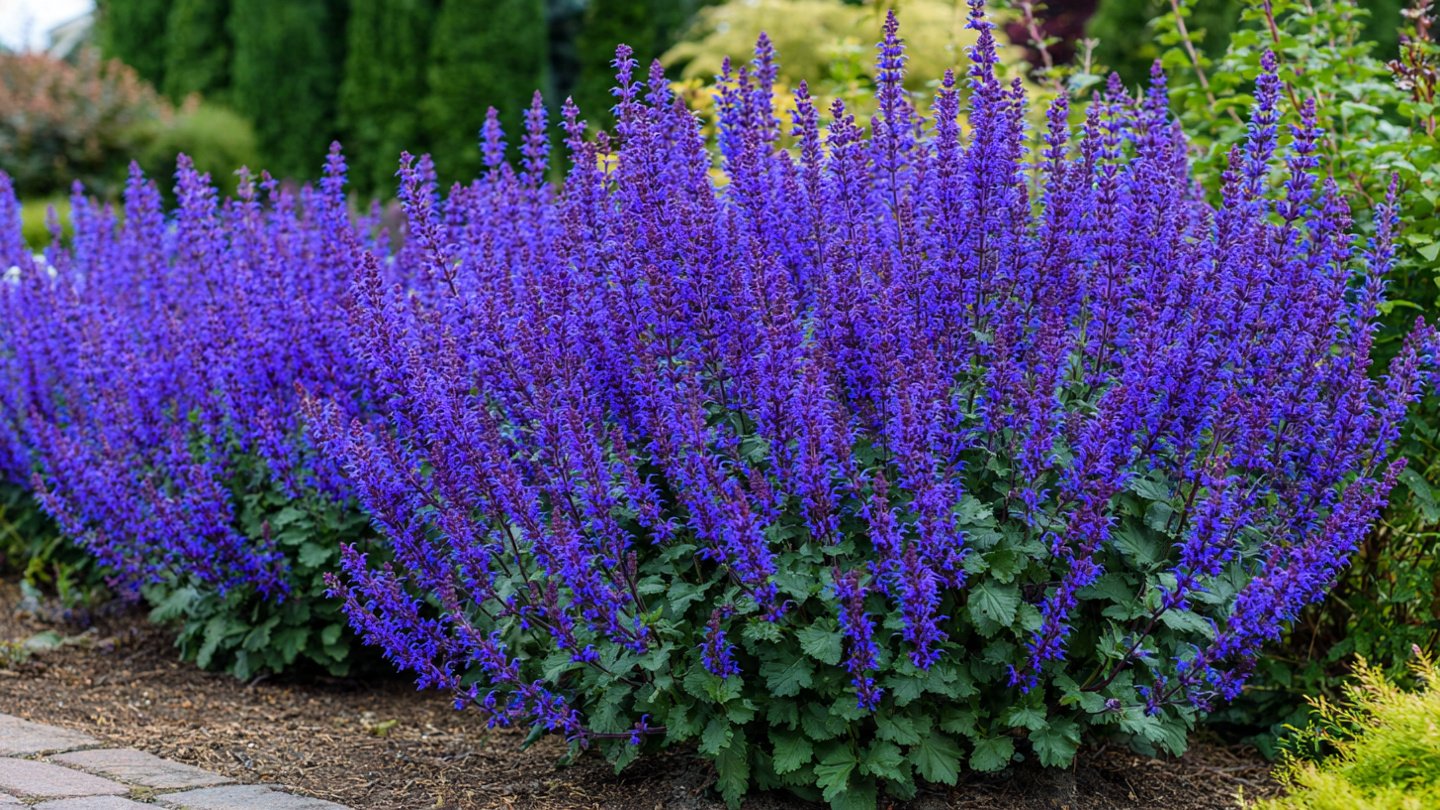
Salvia, commonly known as sage, is a diverse genus of plants belonging to the mint family, Lamiaceae. Known for their aromatic leaves and vibrant flowers, salvias have gained popularity among gardeners seeking to enhance their landscapes. Their ability to attract pollinators, coupled with their drought tolerance and low maintenance requirements, makes them a favorite for many. In this article, we will explore some simple techniques for cultivating lush salvia plants that achieve a bushy growth habit.
Understanding Salvia
Before diving into the techniques, it’s essential to understand the properties of salvia. There are over 1,000 species within this genus, ranging from tender annuals to hardy perennials. Some popular species include Salvia officinalis (common sage), Salvia nemorosa (wood sage), and Salvia splendens (scarlet sage). Most salvias thrive in well-draining soil, require full sun, and are drought-resistant once established.
Basic Care Requirements
-
Soil: Salvias prefer sandy or loamy soil that drains well. Heavy clay soils can lead to root rot, which undermines bushy growth.
-
Lighting: Full sun is critical for most salvia species. They require at least 6-8 hours of direct sunlight daily to promote sturdy and bushy growth.
-
Watering: Once established, salvias are drought-tolerant, but they do need regular watering during their initial growth phase. Aim for deep but infrequent watering to encourage root development.
-
Fertilization: Over-fertilization can lead to leggy growth. Use a diluted, balanced fertilizer or compost once at the beginning of the growing season.
-
Pruning: Regular pruning encourages bushy growth and prevents the plants from becoming leggy.
Techniques for Bushy Growth
1. Proper Spacing
When planting salvias, spacing is crucial. Crowding plants can lead to competition for resources and impairs airflow, making them prone to diseases. A good rule of thumb is to space your salvia plants at least 12-18 inches apart, depending on the species. This spacing allows each plant to thrive, promoting a fuller, bushier appearance.
2. Pinching Back
Pinching back is a simple yet effective technique to encourage bushiness. As soon as your salvia plants have developed a few sets of true leaves, pinch off the top inch or so. This action stimulates lateral branching, leading to a denser growth habit. Repeat this process after the initial flush of flowers if necessary, to maintain bushiness throughout the growing season.
3. Regular Pruning
Regular pruning is vital for maintaining a bushy appearance. Once flowering has finished, cut back dead flowers and leaves, ideally during the late summer months. This not only improves the plant’s appearance but also encourages new growth. Prune about one-third of the plant back, focusing on leggy stems.
4. Fertilization Practices
While salvia plants do not require excessive fertilization, a light application of balanced fertilizer in early spring can boost growth. Consider using compost for a natural approach, as it can improve soil structure and nutrient content, allowing for healthier plants. Avoid high-nitrogen fertilizers, which can promote vigorous leaf growth at the expense of flowers.
5. Companion Planting
Companion planting can also help salvia achieve a bushy growth habit. Planting salvia alongside complementary species can enhance growth and overall aesthetics. For instance, consider planting them with lavender, which shares similar care requirements and can deter pests. The interplay between different plants can encourage one another’s growth, leading to a lush environment.
6. Watering Techniques
Optimal watering is crucial for salvia’s growth. It’s essential to water early in the morning or late in the afternoon, preventing water loss due to evaporation. Ensure the water reaches the root zone by watering deeply but less frequently. This method encourages roots to grow deeper, leading to a sturdier plant.
7. Pest and Disease Management
Healthy plants are less susceptible to pests and diseases. Regularly check your salvia for signs of aphids, spider mites, and powdery mildew. If detected, consider using insecticidal soap or neem oil as organic treatment options. By addressing these issues early, you can maintain the plant’s vigor and bushiness.
8. Winter Care
For perennial salvias, winter care is essential for ensuring they return robustly in the spring. In colder climates, consider mulching around the base of the plants to protect the roots from freezing temperatures. A layer of organic mulch can help retain soil moisture and provide nutrients as it decomposes.
Selecting the Right Varieties
Choosing the right salvia varieties is vital for achieving a bushy growth habit. Some varieties tend to grow taller and may require more attention to achieve bushiness compared to others. Here are several compact varieties known for their bushy habits:
-
Salvia nemorosa: This perennial variety is known for its dense foliage and compact growth. It produces spikes of purple, blue, or white flowers.
-
Salvia greggii: A compact shrub that blooms heavily with small colorful flowers, this species is great for sunny borders and has a bushy habit.
-
Salvia microphylla: Similar to S. greggii, it has small leaves and a bushy structure, producing vibrant flowers through multiple seasons.
-
Salvia splendens: Often grown as an annual, it boasts large, flamboyant flowers and thrives in sunny conditions, achieving a bushy growth habit with proper care.
Conclusion
Cultivating luscious salvia plants with a bushy growth habit is achievable with the proper techniques and care. By understanding their basic requirements, spacing your plants, applying persistent pruning techniques, and choosing the right varieties, you can create a vibrant and healthy garden. Whether you want to attract pollinators or enhance your landscape aesthetics, salvias are a fantastic choice.
FAQs
1. How often should I water my salvia plants?
Water salvia once a week during dry spells, ensuring the soil is dry before the next watering. Once established, they can tolerate drought conditions.
2. When is the best time to prune salvia plants?
The best time to prune salvia is after the flowering season in late summer or early fall. You can also pinch back young plants in spring to encourage bushiness.
3. Can I grow salvia in containers?
Yes, salvias can thrive in containers as long as the pots have good drainage and receive ample sunlight.
4. Do salvia plants attract pollinators?
Yes, salvia plants are excellent for attracting bees, butterflies, and hummingbirds, making them great additions to pollinator gardens.
5. Are salvias invasive?
Some salvia species can be aggressive in certain regions. Always check local guidelines and opt for native or non-invasive varieties to maintain ecological balance.
By adhering to these techniques and guidelines, your salvia plants will not only thrive but will also beautify your garden for years to come.