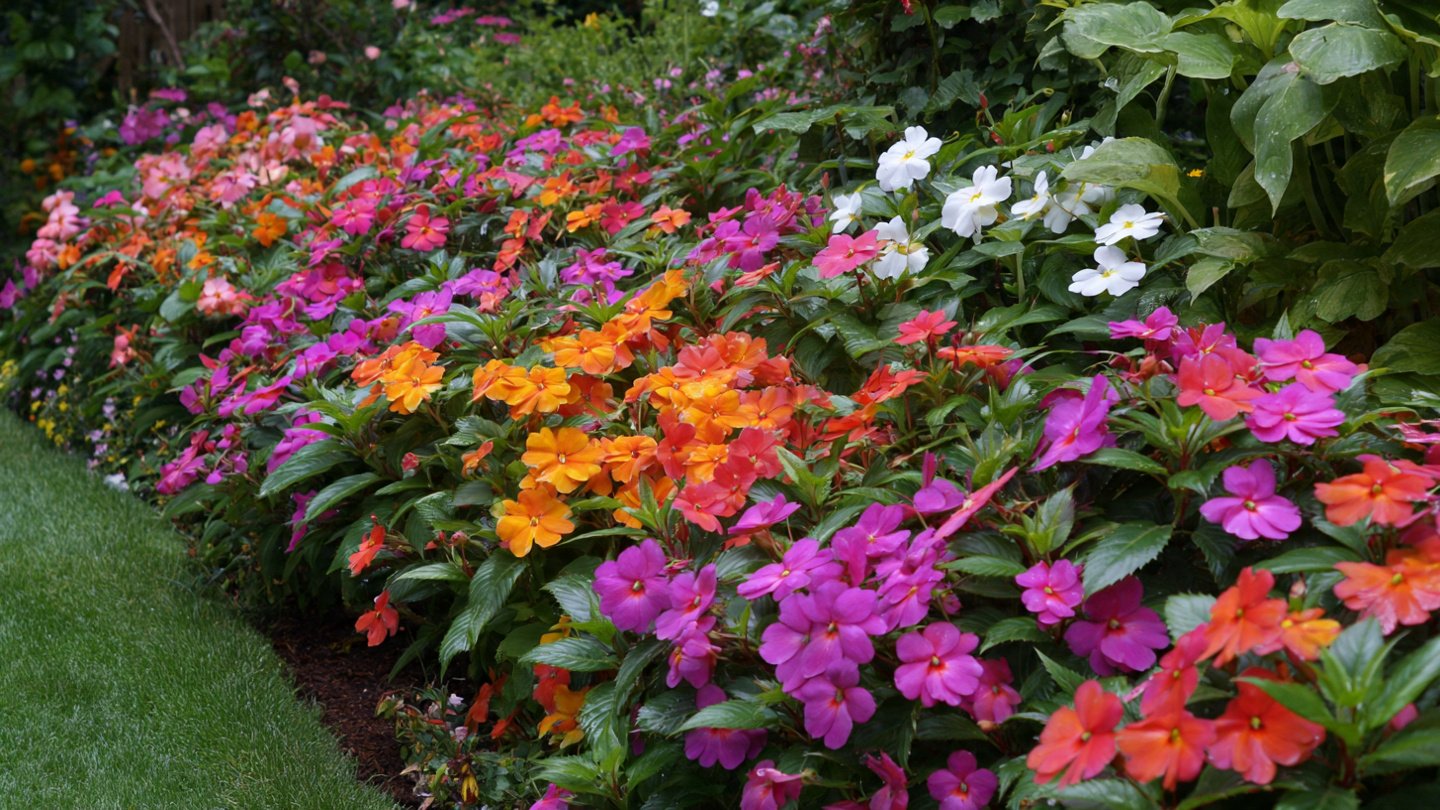
Impatiens, with their bold colors and lush foliage, are not only a gardener’s delight but also a versatile choice for various landscape designs. Often known for their flower power and ease of care, these annuals bring a vibrant touch to gardens, containers, and hanging baskets. In this comprehensive guide, we will delve deeply into the best strategies for growing impatiens successfully while showcasing techniques to ensure a lush, colorful garden.
Understanding Impatiens
Impatiens, belonging to the family Balsaminaceae, are native to the tropical regions of Africa, Asia, and the Americas. They are celebrated for their stunning blooms that come in a wide array of colors, including pink, red, purple, white, and even bi-color varieties. The most common types are:
- Classic Impatiens (Impatiens walleriana): Renowned for their vivid colors and shade tolerance, these plants can grow 12 to 18 inches tall and 12 to 24 inches wide.
- New Guinea Impatiens (Impatiens hawkeri): These hybrids are larger and more vibrant, often reaching heights of 18 to 24 inches, and can endure more sunlight than their classic counterparts.
Benefits of Growing Impatiens
- Diversity of Colors: Impatiens bring a palette of colors that can brighten any garden space.
- Versatility: They can thrive in gardens, containers, and hanging baskets, making them adaptable for various gardening settings.
- Low Maintenance: Once established, impatiens require minimal care, making them ideal for both novice and experienced gardeners.
- Shade Tolerance: They excel in shady areas where many plants struggle to survive, making them perfect for under trees or in partially shaded spots.
Choosing the Right Impatiens
When selecting impatiens for your garden, consider the following:
- Color Selection: Choose colors that complement your existing garden palette. Combining contrasting colors or creating a monochromatic scheme can enhance visual interest.
- Variety: Decide between classic or New Guinea types based on your sunlight conditions and desired aesthetic. New Guinea impatiens are more tolerant of direct sunlight, while classic varieties prefer shade.
- Size and Growth Habit: Choose varieties suited for your space. Trailing types are fantastic for hanging baskets, while upright varieties work well in garden beds.
Preparing for Planting
Choosing the Right Location
Opt for a spot that provides shelter from strong winds and intense midday sun. While impatiens prefer shade, ensure they receive dappled sunlight or indirect light for several hours daily. This balance promotes healthy growth and vibrant blooms.
Soil Preparation
- Soil Type: Impatiens thrive in well-draining, rich, loamy soil. Amend heavy clay or sandy soils with compost or peat moss to improve drainage and nutrient availability.
- pH Level: Aim for a soil pH between 6.0 and 7.0. Test your soil using a kit, and adjust as necessary with lime (to raise pH) or sulfur (to lower it).
Fertilization
Before planting, enrich the soil with a balanced slow-release fertilizer. A ratio like 10-10-10 or 14-14-14 works well. Incorporate the fertilizer into the soil to a depth of about six inches, ensuring an even distribution of nutrients.
Planting Impatiens
Timing
Plant impatiens in the spring after the last frost, as they are sensitive to cold temperatures. In warmer climates, they can also be planted in fall for a winter bloom.
Planting Techniques
- Spacing: For dense blooms, space classic impatiens about 8 to 12 inches apart. New Guinea types can be spaced 12 to 18 inches apart due to their larger size.
- Depth: Plant each seedling at the same depth they were growing in their original container. This helps avoid root rot and promotes healthy growth.
Watering
After planting, water the impatiens thoroughly to help settle the soil around their roots. Maintain consistent moisture, especially during dry spells. However, avoid overwatering, as impatiens do not tolerate soggy soil. A good rule of thumb is to water them when the top inch of soil feels dry.
Maintenance Tips
Mulching
Apply a layer of organic mulch around the base of the plants to retain moisture, suppress weeds, and regulate soil temperature. Straw, shredded bark, or wood chips work well, but ensure that the mulch does not touch the plant stems to avoid rot.
Pruning
Periodically pinch back the tips of the impatiens to encourage bushier growth and more blooms. Deadheading spent flowers also promotes continued blooming.
Pest and Disease Management
Impatiens can suffer from a few pests, including aphids and spider mites. Regularly inspect your plants and use insecticidal soap if necessary. Fungal diseases can occur in overly moist conditions, so ensure proper air circulation and avoid overhead watering.
Seasonal Care
Late Summer Care
As summer progresses, impatiens may start to stretch toward the sun or develop sparse foliage. To combat this, trim back leggy stems to encourage new growth and fuller plants.
Preparing for Fall
Before the first frost, consider planting your impatiens in containers to bring indoors or take cuttings for propagation. If they are in the ground, you may need to remove them, as they won’t survive cold temperatures.
Propagation Techniques
If you wish to propagate your impatiens, here are two popular methods:
1. Stem Cuttings
- Select healthy stems: Choose vigorous stems and cut about 4 to 6 inches long, removing the lower leaves.
- Roots in Water or Soil: Place them in water for a few weeks until roots develop, or directly plant in a seed-starting mix, keeping the soil moist.
- Transplanting: Once roots are established and the plants are sturdy, transplant them into pots or directly into the garden.
2. Seed Collecting
Follow these steps to collect and plant seeds:
- Allow some flowers to go to seed before cutting them.
- Gather the seeds from dried pods once they turn brown, ensuring they are fully dry to avoid mold.
- Store seeds in a cool, dry place until planting in spring.
Styling with Impatiens
Impatiens can be used creatively in your garden:
- Borders: Create lush borders along walkways or garden paths.
- Containers: Mix them with other shade lovers like ferns or hostas.
- Hanging Baskets: Use trailing varieties for stunning hanging displays.
- Accents: Combine them with contrasting foliage plants for added interest.
FAQs
Q1: Can impatiens grow in full sun?
A: While classic impatiens prefer shade, New Guinea impatiens can tolerate partial sun. Ideally, they thrive best in dappled light or morning sun with afternoon shade.
Q2: How often should I water impatiens?
A: Water impatiens when the top inch of soil feels dry. Typically, this could mean watering every few days during hot, dry spells, but adjust based on rainfall and humidity levels.
Q3: Why are my impatiens wilting?
A: Wilting can indicate under-watering, over-watering, or root rot. Check the soil moisture levels and inspect for signs of root issues.
Q4: How do I revive leggy impatiens?
A: Trim back overgrown, leggy stems to encourage fuller growth. Ensure they are receiving adequate light—if they’re stretching towards a light source, they may need to be relocated or pruned to promote bushiness.
Q5: Are impatiens prone to any diseases?
A: Yes, they can suffer from fungal diseases, especially if overcrowded or watered excessively. Avoid wetting the foliage and ensure proper air circulation to minimize the risk.
Q6: Can I grow impatiens from seeds?
A: Yes, impatiens can be grown from seeds, though it requires more effort than planting seedlings. Start seeds indoors about twelve weeks before the last frost date for best results.
Conclusion
Growing impatiens can add a burst of color and charm to your garden. With the right care, you can enjoy their vibrant blooms throughout the growing season. By understanding their needs and implementing good gardening practices, you’ll ensure a lush garden filled with these delightful flowers. Whether you’re a beginner or a seasoned horticulturist, incorporating impatiens into your landscape can create a stunning visual impact that captivates all who visit your outdoor space.