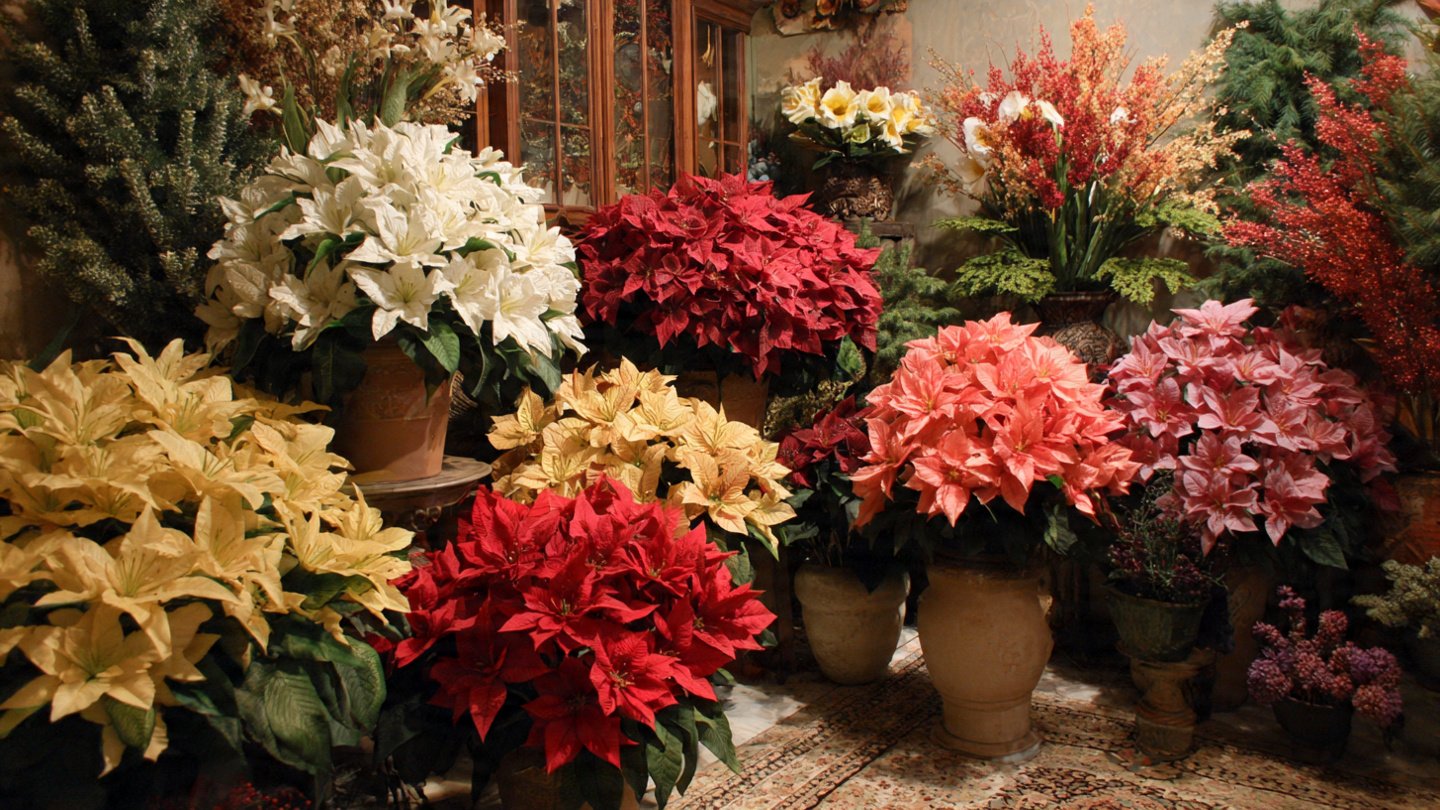
Growing flowers indoors can be a rewarding experience, especially when you choose cool-season varieties. These flowers thrive in the cooler months, offering vibrant colors and delightful fragrances that can brighten any room. If you’re eager to cultivate beautiful blooms in your home year-round, follow these simple steps to successfully grow cool-season indoor flowers.
Understanding Cool-Season Flowers
Cool-season flowers prefer temperatures between 50°F to 65°F (10°C to 18°C) and flourish when planted in the fall or early spring. Such flowers include pansies, violas, snapdragons, and primroses. They can tolerate light frosts, making them ideal for indoor conditions when the weather outside is less predictable.
Step-by-Step Guide to Growing Cool-Season Indoor Flowers
Step 1: Selecting the Right Flowers
Choosing the right types of cool-season flowers is crucial for your indoor garden. Popular choices include:
- Pansies: Known for their vibrant colors and heart-shaped petals, pansies can bloom in various hues.
- Snapdragons: Tall and majestic, snapdragons add height to any indoor arrangement.
- Primroses: These flowers come in an array of colors and are perfect for adding spring vibes to your home.
- Violas: Smaller than pansies, violas have a delightful fragrance and are easy to grow.
Step 2: Choosing Containers
Select containers that have adequate drainage holes to prevent water from accumulating, which can lead to root rot. Terracotta pots or plastic containers are excellent choices. If you want a decorative touch, consider hanging baskets or window boxes.
Step 3: Preparing the Soil
Opt for high-quality potting soil that is lightweight and drains well. A mix that contains peat moss, vermiculite, and perlite is ideal as it retains moisture while allowing excess water to escape. This mixture ensures that the roots have enough air circulation while receiving the nutrients they need to thrive.
Step 4: Planting
-
Sow the Seeds or Transplant: If starting from seeds, follow the sowing depth instructions on the seed packet. Typically, seeds should be planted shallowly, about 1/4 inch deep. For transplants, gently remove the plant from its nursery pot and place it in the new container, filling around the roots with soil.
-
Watering: After planting, water the flowers thoroughly. The soil should be moist but not waterlogged. Allow the excess water to drain fully.
Step 5: Providing Adequate Light
Cool-season flowers require bright, indirect sunlight. Position your containers near a window that gets enough natural light. If sunlight is limited, consider supplementing with grow lights. Position these lights about 12 to 24 inches above the plants, and keep them on for 12 to 16 hours a day.
Step 6: Maintaining Temperature and Humidity
Cool-season flowers thrive in cooler temperatures. Keep your indoor environment between 50°F to 65°F (10°C to 18°C). To ensure your flowers get enough humidity, especially during winter when indoor air can be dry, consider using a humidity tray filled with water and pebbles underneath the pots.
Step 7: Watering and Fertilizing
-
Watering: Water your plants consistently, checking the soil moisture regularly. A good rule of thumb is to water when the top inch of soil feels dry. Be careful not to over-water, as this can lead to root rot.
-
Fertilizing: Use a balanced, water-soluble fertilizer every few weeks during the growing season. Dilute it to half the recommended strength to avoid nutrient burn.
Step 8: Pruning and Deadheading
Regularly prune dead or yellowing leaves, and deadhead spent flowers to encourage new blooms. This process helps the plant maintain its energy and promotes a longer flowering period.
Step 9: Monitoring for Pests and Diseases
Keep an eye out for common pests such as aphids, spider mites, and whiteflies. If you notice any signs of infestations, treat them promptly with insecticidal soap or neem oil. Healthy plants can resist certain diseases, but ensuring proper air circulation and monitoring for fungal issues is essential.
Step 10: Enjoying Your Flowers
Once your cool-season flowers are blooming, take the time to appreciate the beauty they bring to your indoor space. Arrange them creatively in various places around your home. You can also create beautiful floral arrangements for gifting or decorating special occasions.
FAQs
1. What are some easy cool-season flowers to grow indoors?
Some easier options for beginners include pansies, violas, and primroses. These flowers are generally resilient and can adapt well to indoor conditions.
2. How often should I water my cool-season flowers?
Water your flowers when the top inch of the soil feels dry. This usually translates to watering once a week, but it may vary based on environmental conditions like humidity and temperature.
3. Do cool-season flowers require direct sunlight?
Cool-season flowers prefer bright, indirect sunlight. Position them near a window that receives plenty of light but avoid placing them in direct sunlight, which can scorch their leaves.
4. What should I do if my flowers aren’t blooming?
If your flowers aren’t blooming, check if they’re getting enough light, correct temperature, and water. Also, ensure they are receiving the appropriate fertilization.
5. How can I increase humidity for my indoor flowers?
You can increase humidity by placing a humidity tray filled with water and pebbles beneath your pots or using a room humidifier. Grouping plants together can also create a microclimate with higher humidity.
6. Can I grow cool-season flowers all year round indoors?
Yes, with the right care regarding light, temperature, and humidity, cool-season flowers can bloom indoors year-round. Just ensure you rotate and care for them regularly.
7. How do I know when to prune my flowering plants?
Prune any yellowing or dead leaves and flowers. Deadheading spent blooms encourages more flowers to develop. Regular maintenance cleaning can help promote growth.
Conclusion
By following these simple steps and taking the time to observe and respond to your indoor plants’ needs, you can successfully grow beautiful cool-season flowers throughout the year. Embrace the joy of indoor gardening and enjoy the colors and fragrances that these flowers will bring into your home. With the right care, your indoor garden can flourish, offering a continuous source of beauty and serenity, regardless of the season outside. Happy gardening!