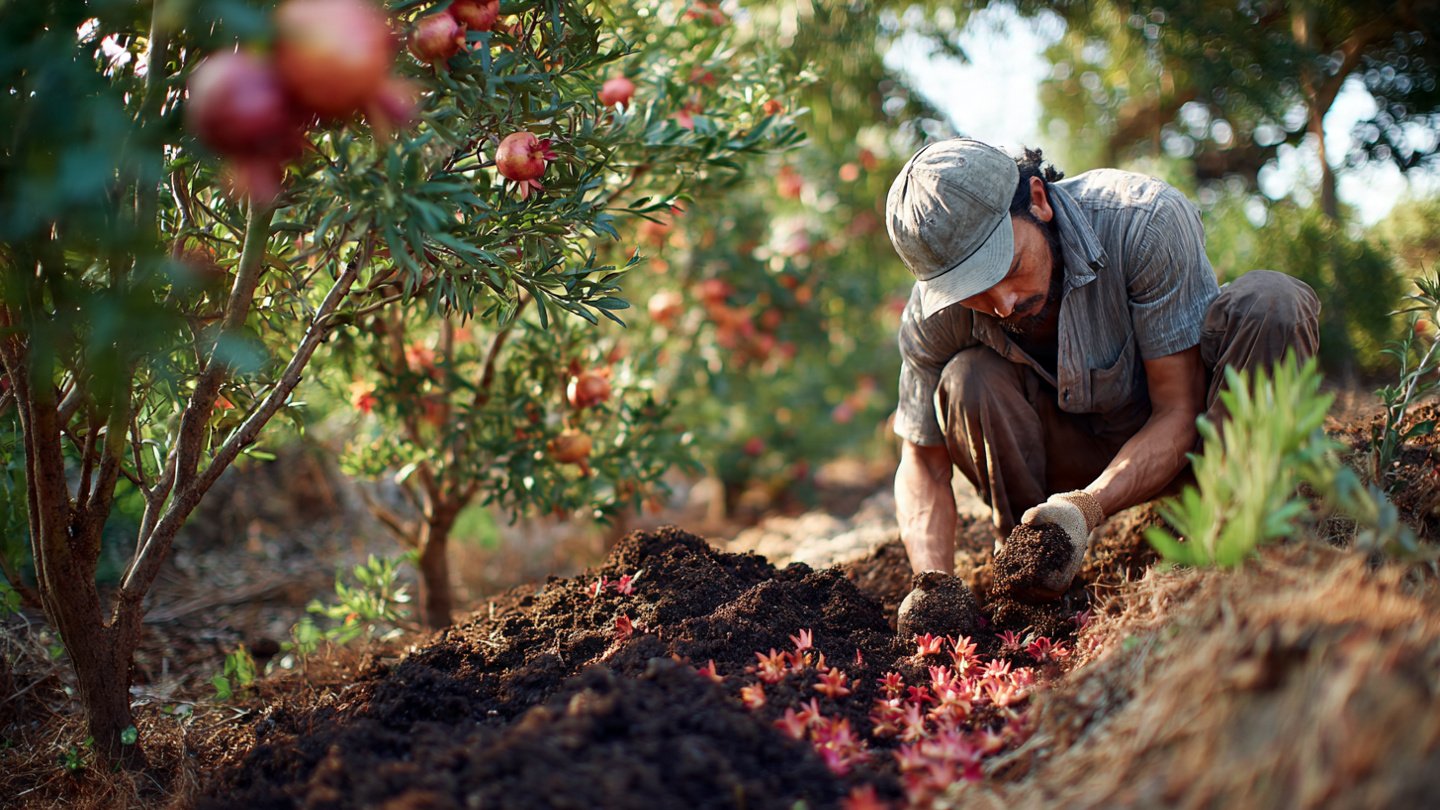
Pomegranate trees (Punica granatum) are not only aesthetically pleasing but also produce delicious, nutrient-rich fruits. To ensure these wonderful trees flourish, it is essential to create the ideal soil mix. This guide will delve into the components of a perfect soil mix, the importance of pH levels, drainage techniques, and the best practices for maintaining healthy pomegranate trees.
Understanding Pomegranate Trees
Before we get into the nitty-gritty of soil mixes, let’s understand the requirements of pomegranate trees. Native to regions such as the Mediterranean, Middle East, and South Asia, pomegranates thrive in warm climates. They are drought-resistant and prefer well-drained soil that can support their growth while preventing root rot.
Ideal Conditions for Pomegranate Trees
- Climate: Pomegranates thrive in warm, temperate climates with long, hot summers.
- Sunlight: They require full sunlight for at least 6 hours a day.
- Water: While they are drought-tolerant, consistent moisture is necessary during the growing season.
Key Components of the Perfect Soil Mix
Creating the perfect soil mix for your pomegranate trees involves understanding the key components that contribute to a healthy environment. Let’s break down the essential elements:
1. Soil Texture
Soil texture plays a vital role in how well your pomegranate tree grows. The ideal texture is a loamy or sandy soil that allows for good drainage:
- Loamy Soil: This is a balanced mixture of sand, silt, and clay. It typically retains nutrients and provides good drainage.
- Sandy Soil: This type allows for rapid drainage but may require the addition of organic matter to improve nutrient retention.
2. Organic Matter
Adding organic matter to your soil mix enhances fertility, improves moisture retention, and promotes beneficial microbial activity. Here are some options:
- Compost: Well-decomposed compost enriches the soil with nutrients and improves its structure.
- Aged Manure: A good source of nitrogen, aged manure also adds organic matter.
- Leaf Mold: Decomposed leaves help in moisture retention and improve soil structure.
3. Drainage Material
As pomegranates thrive in well-drained soil, incorporating materials that enhance drainage is crucial:
- Perlite: A lightweight volcanic glass that improves aeration and drainage.
- Vermiculite: Another mineral resource that helps retain moisture while promoting drainage.
- Coarse Sand: Improves soil aeration and drainage.
4. Nutrient Content
Pomegranates require a balanced nutrient profile for optimal growth. When crafting your soil mix, consider incorporating:
- Nitrogen: Essential for leaf growth. Using an organic fertilizer like blood meal can help.
- Phosphorus: Important for root development and flowering. Bone meal is a great organic source.
- Potassium: Crucial for fruit development. Greensand can be an excellent addition.
5. pH Level
Pomegranate trees prefer slightly acidic to neutral soil, with a pH level ranging from 6.0 to 7.0. Testing your soil before planting can help ensure it’s within this range. If adjustments are needed:
- To Lower pH: Add sulfur or organic matter such as composted pine needles.
- To Raise pH: Lime can be added to increase alkalinity.
Crafting the Perfect Soil Mix
Step 1: Gather Your Materials
To create your soil mix, collect the following materials:
- Base Soil: Choose loamy or sandy soil as your primary base.
- Organic Matter: Include compost, aged manure, or leaf mold.
- Drainage Materials: Perlite, vermiculite, or coarse sand.
- Nutrient Additives: Blood meal, bone meal, and greensand.
Step 2: Mixing Ratios
Here’s a recommended mixing ratio for creating the ideal soil mix for pomegranate trees:
- 60% Base Soil: Loamy or sandy soil.
- 20% Organic Matter: Compost or aged manure.
- 15% Drainage Material: Perlite or coarse sand.
- 5% Nutrient Additives: Equal parts blood meal, bone meal, and greensand.
Step 3: Combine and Mix
- In a large container or wheelbarrow, combine all the components based on the ratios mentioned.
- Thoroughly mix the ingredients until evenly distributed.
- If you prefer, you can build your mix directly in the planting hole when planting your pomegranate tree.
Step 4: Testing
Before planting, test the pH and nutrient levels of your soil mix. Use a soil test kit available at garden centers. Adjust accordingly for optimal pH and nutrient balance.
Planting Your Pomegranate Tree
Once you’ve crafted the perfect soil mix, it’s time to plant your pomegranate tree. Here’s a step-by-step guide:
- Choose a Location: Select a sunny spot, ideally receiving 6-8 hours of sunlight.
- Prepare the Hole: Dig a hole that’s wider and deeper than the root ball of your pomegranate tree.
- Fill with Mix: Add your prepared soil mix into the hole, creating a mound in the center.
- Plant the Tree: Position the tree so that the root ball sits on the mound. Fill in with more soil mix around the roots.
- Water: Thoroughly water the tree after planting. Make sure the water drains properly.
- Mulch: Add a layer of mulch around the base to retain moisture and suppress weeds.
Care and Maintenance
Maintaining healthy pomegranate trees requires ongoing care:
Watering
Pomegranates have moderate watering needs. In the growing season, water deeply but infrequently. Allow the soil to dry slightly between watering to prevent root rot.
Fertilization
Fertilize your pomegranate trees during the growing season with a balanced organic fertilizer. A general-purpose fertilizer, high in potassium and low in nitrogen, is preferred, especially when the trees are producing fruit.
Pruning
Regularly prune your pomegranate trees to improve air circulation and sunlight penetration. Remove dead or crossing branches and thin out crowded growth to promote stronger branches.
Common Pests and Diseases
Pomegranate trees can attract pests such as aphids, spider mites, and fruit flies. Regularly check your trees for signs of infestation and treat with insecticidal soap or neem oil if needed. Diseases like leaf spot and root rot can result from overwatering; ensure proper soil drainage to mitigate these issues.
FAQs
1. How often should I water my pomegranate tree?
Water deeply but less frequently, allowing the soil to dry slightly between waterings. During the growing season, this might mean watering every 7-10 days.
2. Can I grow pomegranates in pots?
Yes, pomegranates can be successfully grown in pots. Ensure the container has adequate drainage holes and use a high-quality soil mix similar to the one outlined in this guide.
3. What is the best fertilizer for pomegranate trees?
A balanced organic fertilizer high in potassium and low in nitrogen is best during the growing season. Look for formulations specifically designed for fruiting plants.
4. How can I tell if my pomegranate tree is getting too much water?
Signs of overwatering include yellowing leaves, wilting, and a mushy base around the trunk. Ensure proper drainage and adjust your watering schedule if necessary.
5. When is the best time to prune pomegranate trees?
The best time to prune is in late winter to early spring before new growth begins. This promotes better air circulation and fruit production.
6. How long does it take for a pomegranate tree to bear fruit?
Typically, pomegranate trees take 2-3 years to start bearing fruit after planting. However, this can vary depending on growing conditions and care.
Conclusion
Creating the perfect soil mix for pomegranate trees is crucial for promoting healthy growth and maximizing fruit production. By understanding the essential components of soil, adjusting pH levels, and ensuring proper drainage, you can cultivate thriving pomegranate trees. With the right care and maintenance, you’ll be rewarded with lush foliage and bountiful harvests for years to come. Happy gardening!