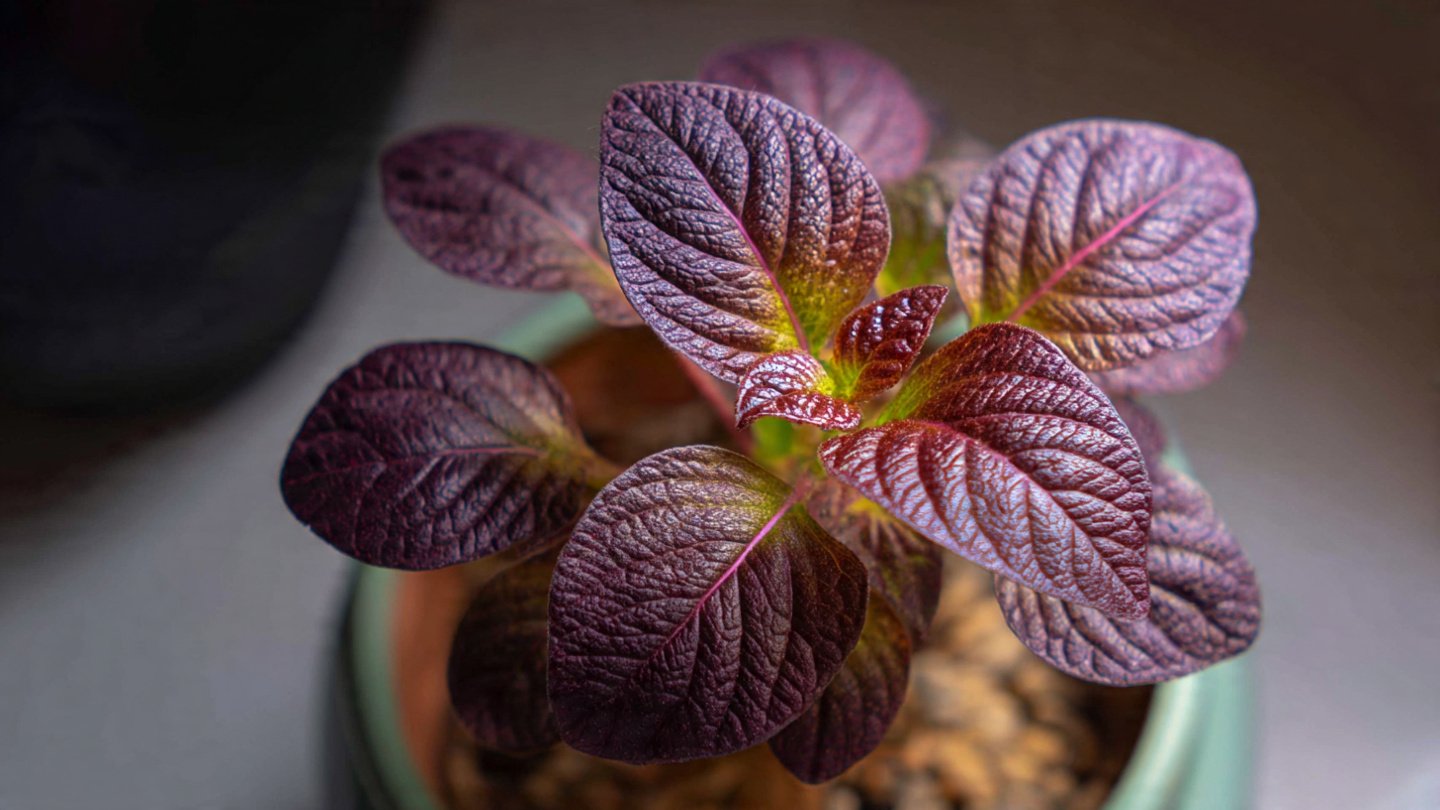
Growing your own food can be a rewarding endeavor, offering a sense of accomplishment and the delight of enjoying fresh produce right from your garden or indoor space. One excellent choice for home gardeners is amaranth baby leaves. These tender, nutritious greens are not only easy to grow but also packed with vitamins and minerals. This article will guide you through the ultimate techniques for cultivating amaranth baby leaves at home, from selecting the right variety to harvesting your greens. Additionally, we’ll address frequently asked questions to ensure you have all the information you need to succeed.
Understanding Amaranth
What is Amaranth?
Amaranth is a flowering plant belonging to the Amaranthaceae family. It is mainly grown for its seeds, which are a nutritious grain alternative, but the young leaves are equally edible and can be used as a leafy green in salads, soups, and various dishes. While there are numerous species of amaranth, the most popular for baby greens are Amaranthus caudatus (Love-Lies-Bleeding), Amaranthus cruentus (Red Amaranth), and Amaranthus hybridus (Green Amaranth).
Nutritional Benefits
Amaranth leaves are a powerhouse of nutrients. They are rich in:
- Vitamins: High in vitamins A, C, and K.
- Minerals: Packed with calcium, iron, and magnesium.
- Antioxidants: Contain quercetin and other beneficial compounds that may contribute to overall health.
Choosing the Right Variety
When it comes to growing amaranth baby leaves, choosing the right variety is crucial. Here are some great options:
-
Amaranthus caudatus: Known for its vigorous growth and beautiful red flowers, it produces tender leaves.
-
Amaranthus cruentus: This variety has a more robust flavor, making it great for salads and cooking.
-
Amaranthus hybridus: Easy to grow, this variety is known for its fast growth and tender, edible leaves.
Growing Conditions
Ideal Climate
Amaranth prefers warm weather and is best suited to USDA hardiness zones 3-10. Planting should occur after the last frost when the soil temperature is at least 60°F (15°C).
Soil Requirements
- Soil Type: Well-draining soil rich in organic matter is ideal. A pH level between 6.0 and 7.0 works best.
- Preparation: Before planting, enrich the soil with compost or well-rotted manure to enhance nutrient content.
Light Requirements
Amaranth thrives in full sun, requiring at least 6-8 hours of sunlight daily. If you’re growing indoors, consider using grow lights to ensure adequate light exposure.
Planting Amaranth Seeds
When to Plant
Direct sowing is the most effective method for planting amaranth seeds. In most regions, you can start planting in late spring to early summer when the soil has warmed up.
Seed Sowing Technique
-
Spacing: Sow the seed at a depth of 1/4 inch (0.6 cm), spacing them about 12 inches (30 cm) apart for the best growth.
-
Watering: After sowing, water gently to avoid displacing the seeds. Maintain soil moisture until germination, which typically occurs within 7-14 days.
Indoor Planting Option
If growing in containers indoors, use seedling trays filled with potting mix. Plant seeds as directed above and keep them under grow lights until they develop a few true leaves.
Caring for Amaranth Baby Leaves
Watering
Consistent moisture is crucial for amaranth growth. Water your plants regularly, ensuring not to overwater, which can lead to root rot. The top inch of soil should be kept moist, especially during dry weather.
Fertilizing
Apply a balanced fertilizer every few weeks during the growing season to provide essential nutrients. Organic options like fish emulsion or liquid seaweed work well.
Thinning Seedlings
Once your seedlings reach about 2 inches (5 cm) in height, thin them to avoid overcrowding. Leave about 6-8 inches (15-20 cm) between each plant to ensure proper growth.
Pest Management
Amaranth is relatively pest-resistant but can occasionally attract aphids or flea beetles. Regularly inspect your plants and treat infestations with insecticidal soap or neem oil.
Harvesting Amaranth Baby Leaves
When to Harvest
You can start harvesting amaranth baby leaves 25-40 days after sowing when the leaves are about 3-6 inches (7.5-15 cm) tall. The younger leaves are typically more tender and flavorful.
Harvesting Techniques
Use scissors to snip the outer leaves, leaving the center of the plant intact for continued growth. This practice allows for multiple harvests from the same plant.
Storage Tips
Store harvested leaves in a sealed container in the refrigerator for up to a week. To maintain freshness, try to keep the leaves dry and avoid washing them until just before use.
Growing Amaranth in Containers
If you lack garden space, growing amaranth baby leaves in containers is a great option. Here’s how:
Choosing the Right Container
Select a container that is at least 12 inches deep with drainage holes. You can use pots, window boxes, or even repurposed containers.
Soil Mix
Fill the container with a mixture of potting soil and compost. This combination provides the nutrients needed for healthy growth.
Sunlight
Place the container in a location that receives full sunlight to ensure the best growth.
FAQs about Growing Amaranth Baby Leaves
Q1: Can I grow amaranth baby leaves indoors?
Yes! You can easily grow amaranth baby leaves indoors using containers and grow lights, ensuring they receive enough sunlight.
Q2: How often should I water amaranth baby leaves?
Water amaranth regularly, keeping the top inch of soil moist. Water more frequently during hot weather to prevent the soil from drying out.
Q3: How do I know when to harvest my amaranth?
Harvest amaranth baby leaves when they reach about 3-6 inches in height and before they flower for the best flavor and tenderness.
Q4: Can I use amaranth baby leaves in cooking?
Absolutely! Amaranth baby leaves can be used fresh in salads or cooked in stir-fries, soups, and various dishes.
Q5: Are there any pests that affect amaranth?
While amaranth is generally pest-resistant, be on the lookout for aphids and flea beetles. Treat any infestations early with insecticidal soap or neem oil.
Q6: What is the best way to fertilize amaranth?
A balanced organic fertilizer applied every few weeks during the growing season is recommended to provide essential nutrients.
Q7: Will my amaranth reseed itself?
Amaranth plants can produce seeds if left to flower. However, if you’re growing for baby leaves, it’s best to harvest before flowering.
Conclusion
Growing amaranth baby leaves at home is a simple and gratifying process. With the right conditions, care, and techniques, you can enjoy a continuous supply of fresh, nutritious greens. Whether you’re a seasoned gardener or a beginner, amaranth offers versatility in the kitchen and health benefits that make it a wonderful addition to your home gardening adventure. Start your journey today, and enjoy the fruits of your labor in delicious meals!