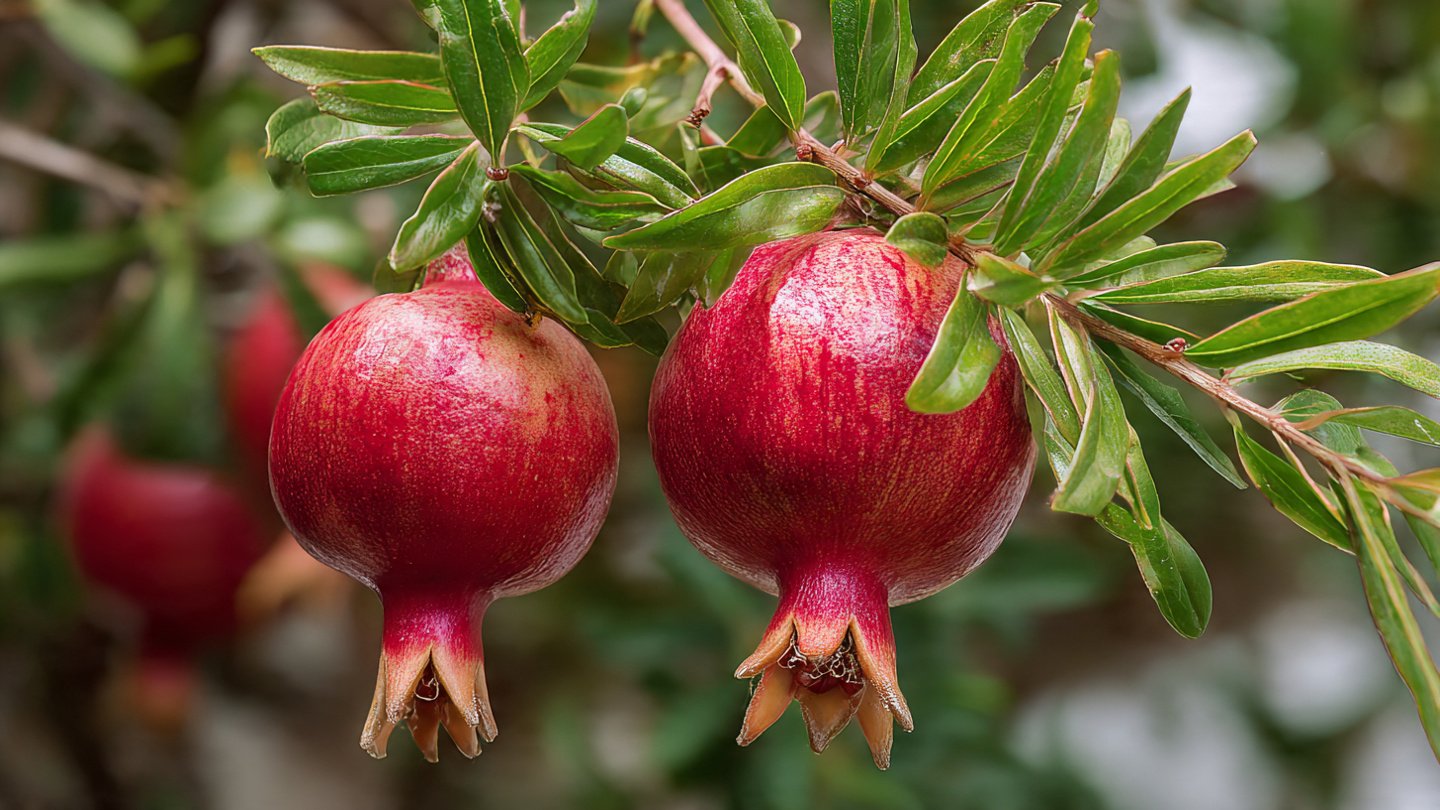
Growing pomegranates indoors can be a rewarding endeavor, bringing lush greenery and stunning fruit to your space. Known for their vibrant, jewel-like seeds and rich flavor, pomegranates not only enhance your culinary experiences but also add an aesthetic charm to any room. This essential guide will take you through the steps to grow pomegranates indoors successfully, ensuring maximum fruit production.
Understanding Pomegranates
Before diving into the specifics of indoor cultivation, let’s explore the characteristics of pomegranate plants:
1. Botanical Overview
- Scientific Name: Punica granatum
- Family: Lythraceae
- Growth Habit: Pomegranates can grow as shrubs or small trees, typically reaching heights of 3-10 feet, depending on the variety.
2. Varieties
For indoor gardening, consider choosing dwarf varieties, such as:
- ‘Nana’: A small dwarf pomegranate, perfect for pots and produces small fruits.
- ‘Wonderful’: A popular variety known for its sweet, flavorful seeds.
- ‘Angel Red’: A variety that is marketed for its high yield of juicy fruits.
3. Hardiness
Pomegranates are native to regions with a Mediterranean climate, thriving in USDA hardiness zones 8-10. However, growing them indoors allows you to control the climate more effectively.
Choosing the Right Container
1. Container Size
Select a pot that is at least 12-14 inches deep and wide. This size ensures adequate space for root development and is manageable indoors.
2. Material
Choose pots made from breathable materials like terracotta, clay, or fabric, which allow for better drainage compared to plastic pots.
3. Drainage
Ensure your container has drainage holes to prevent waterlogging, which can lead to root rot.
Soil Requirements
1. Soil Type
Pomegranates prefer well-draining soil that is slightly acidic to neutral (pH 6.0-7.0). A mix containing potting soil, sand, and perlite works well.
2. Nutrient-Rich Mix
Incorporate organic compost to enhance soil fertility, providing essential nutrients such as nitrogen, phosphorus, and potassium.
Lighting Needs
1. Sunlight Exposure
Pomegranates thrive in bright, direct sunlight. Aim for at least 6-8 hours of sun exposure daily. Horticultural lamps can be used if natural light is insufficient.
2. Light Adjustment
Rotate your pomegranate plants every few weeks to ensure even growth and prevent them from leaning towards the light source.
Watering Guidelines
1. Watering Frequency
Keep the soil consistently moist but not soggy. Water thoroughly when the top inch of the soil feels dry. Pomegranates prefer slightly less water during their dormant phase in winter.
2. Signs of Over or Under-Watering
Yellowing leaves can indicate overwatering, while wilting or browning edges may suggest underwatering.
Temperature and Humidity
1. Ideal Temperature
Pomegranates prefer warmer temperatures between 70°F to 85°F (21°C to 29°C).
- Winter Conditions: Provide a cooler environment (around 60°F or 15°C) during their dormancy.
2. Humidity Control
Pomegranates do well in average indoor humidity, but during dry winter months, consider using a humidity tray or misting occasionally.
Fertilization
1. Fertilization Schedule
Fertilize every 4-6 weeks during the growing season (spring and summer) with a balanced, water-soluble fertilizer.
2. Organic Options
Consider using fish emulsion or compost tea as an organic alternative, particularly beneficial for fruit production.
Pruning and Training
1. Pruning Techniques
Regular pruning encourages new growth and helps maintain shape. Remove dead or damaged branches and thin out crowded areas.
2. Training for Container Growth
Leverage a stake or trellis for training your pomegranate plant if it becomes leggy or top-heavy.
Pollination
1. Self-Pollinating Nature
Pomegranates are mostly self-pollinating, but you can enhance fruit set by gently shaking the branches or using a small brush to transfer pollen.
2. Attracting Pollinators
If you have access to an outdoor space, consider placing the pot outside during flowering to attract bees and other pollinators.
Harvesting
1. Identifying Ripeness
Fruits are typically ready for harvest when they turn a vibrant red, and the skin feels firm.
2. Harvesting Technique
Using garden scissors, cut the fruit rather than pulling, aiming to preserve the stem attached for better longevity.
Common Issues and Solutions
1. Pests
- Common Pests: Aphids, spider mites, and scale.
- Solution: Use insecticidal soap or neem oil as a treatment.
2. Diseases
- Root Rot: Caused by overwatering; ensure proper drainage.
- Powdery Mildew: A fungal issue; increase air circulation and avoid overhead watering.
3. Nutrient Deficiencies
- Symptoms: Yellow leaves indicate nitrogen deficiency.
- Solution: Adjust fertilization accordingly to meet nutrient requirements.
FAQs
1. How long does it take for pomegranates to produce fruit?
Typically, pomegranate trees can take 2-3 years to bear fruit, depending on the variety and growing conditions.
2. Can I grow pomegranates from seeds?
Yes, but growing from seeds can take longer to fruit than grafting or purchasing established plants. Ensure to start them in suitable conditions for germination.
3. What is the best time to plant pomegranates indoors?
It’s best to plant pomegranates in the spring, just after the last frost, to take advantage of the warm growing season.
4. How do I care for pomegranates during winter?
During colder months, reduce watering, hold off on fertilization, and keep the plant in a cooler area to mimic its natural dormancy period.
5. Do pomegranates require a lot of space?
While they can grow larger, dwarf varieties are suitable for indoor spaces and can thrive in containers with adequate care.
6. Can I grow pomegranates in a sunny window?
Yes! A south-facing window that provides plenty of direct sunlight is ideal for growing pomegranates indoors.
Conclusion
Growing pomegranates indoors presents a unique opportunity to cultivate this beautiful, fruit-bearing plant in your own home. By following the steps outlined in this guide and paying attention to the specific needs of your pomegranate plant, you can enjoy a fruitful indoor garden. With proper care, you will not only bask in the beauty of its blooms but also relish the delicious fruits that come from your efforts. Happy gardening!