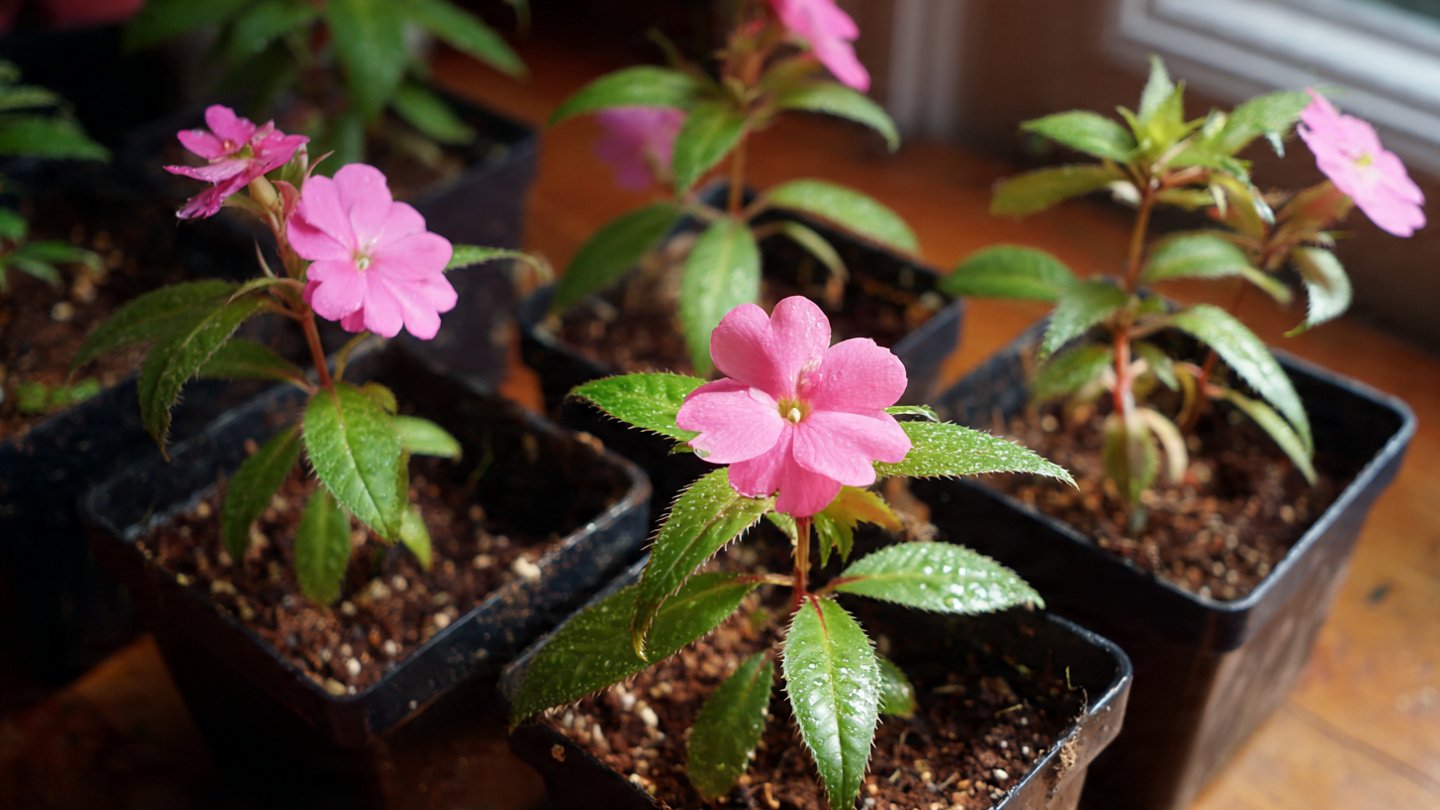
Growing impatiens from seed can be an incredibly rewarding gardening endeavor. These beautiful flowers are cherished for their vibrant colors and lush foliage, making them a popular choice for both residential gardens and containers. In this comprehensive guide, we’ll cover everything you need to know about successfully growing impatiens from seed at home, including tips on soil preparation, seed selection, and proper care.
Understanding Impatiens
Varieties of Impatiens
Before diving into the seed-growing process, it’s essential to understand the various types of impatiens available:
- Impatiens walleriana: Known for its rounded leaves and small flowers, this is the most common type.
- New Guinea impatiens: Larger flowers and more heat-tolerant, they’re great for sunnier spots.
- SunPatiens: A hybrid that thrives in full sun and has a more rugged growth habit.
- Double impatiens: Resembling roses, these provide an extra visual impact.
Why Grow Impatiens from Seed?
- Cost-Effective: Buying seeds is generally cheaper than purchasing mature plants.
- Variety: Growing from seeds allows you to select from a broader variety of colors and types.
- Satisfaction: Nurturing plants from seed to bloom can be deeply fulfilling.
Preparing for Planting
Selecting Seeds
Choose high-quality seeds from a reputable supplier. Ensure they are labeled as fresh, as old seeds may not germinate well.
Timing
Start seeds indoors about 8-10 weeks before the last expected frost date in your area. This timing allows the plants to grow strong enough for transplanting outdoors.
Soil Preparation
Choosing Soil
Use a high-quality seed starting mix, which is lighter and more sterile than regular potting soil. This type of mix typically includes:
- Sphagnum moss or coir for moisture retention
- Perlite or vermiculite for aeration
- A balanced fertilizer
Containers
Use seed trays or small pots with drainage holes. Clean them thoroughly to prevent disease.
Moisture Management
Before planting, moisten the seed starting mix. It should be damp but not soggy. A spray bottle can help achieve the right moisture level without over-saturating the soil.
Planting Seed
Sowing Seeds
- Depth: Plant seeds at a depth of 1/8 inch. Impatiens are small seeds and require light for germination, so they should not be buried deeply.
- Spacing: Space seeds evenly to prevent overcrowding.
Covering Seeds
Lightly sprinkle a thin layer of seed starting mix over the seeds. Press down gently to ensure good seed-to-soil contact.
Watering
Spray the surface with water after planting, ensuring the soil remains moist. A humidity dome over the trays can help maintain moisture.
Germination
Conditions
Impatiens seeds require warm temperatures (around 70-75°F) to germinate. To maintain this environment:
- Heat Mats: Consider using heat mats if your home is cooler.
- Light: After germination, provide 12-16 hours of bright, indirect light daily. A grow light is ideal if you lack natural light.
Time Frame
Germination typically takes 10-14 days. Keep the soil moist during this period and monitor for any signs of mold or disease.
Care After Germination
Thinning Seedlings
Once seedlings have two sets of true leaves, thin them out to ensure they have enough space to grow. Aim to leave one strong seedling per cell or pot.
Fertilizing
Start fertilizing with a diluted liquid fertilizer (half-strength) every two weeks. Switch to a full-strength formula once they’re ready to be transplanted outdoors.
Watering
Maintain consistent moisture. Allow the top layer of soil to dry out slightly between waterings to prevent root rot.
Disease Management
Keep an eye out for pests like aphids and diseases like damping-off. Proper air circulation and watering can help mitigate these problems.
Transplanting
Timing
Transplant your impatiens outdoors after the last frost date and once seedlings are about 3-4 inches tall. Ensure they’ve hardened off for about a week before moving them outside.
Hardening Off
To harden off your plants:
- Place them outdoors in a shaded area for a few hours each day, gradually increasing exposure to sunlight and outdoor conditions over the week.
Planting Outdoors
- Soil Preparation: Choose a location with well-drained soil and rich organic matter. Amend the soil with compost if necessary.
- Spacing: Space impatiens about 12-18 inches apart to allow for their bushy growth.
Planting Technique
Dig holes deep enough to accommodate the root ball. Gently remove seedlings from their containers, being careful not to damage the roots, and place them in the holes.
Watering
Water thoroughly after transplanting. Consistent moisture is key in the first few weeks to help establish the roots.
Maintenance and Care
Watering
Ensure the plants are watered regularly, especially during dry spells. Impatiens prefer consistently moist soil but do not like standing water.
Fertilizing
Apply a slow-release fertilizer in spring, and continue using a balanced liquid fertilizer every 4-6 weeks throughout the growing season.
Deadheading
Regular deadheading (removing spent blooms) encourages more blooming and keeps the plants looking tidy.
Pest and Disease Management
Keep a lookout for common pests such as aphids and spider mites, and treat them with insecticidal soap if necessary. Good cultural practices generally minimize disease risk.
Enjoying Your Blooms
Timing
Impatiens typically bloom from late spring until frost. Depending on the variety, you can enjoy their vibrant colors throughout the summer.
Community Sharing
Connect with fellow gardeners by sharing your experiences, pictures, and successes in growing impatiens.
Planning for Next Year
At the end of the blooming season, consider collecting seeds from your best plants to grow again next year.
FAQs
1. How long does it take for impatiens seeds to germinate?
Impatiens seeds typically germinate in 10-14 days under the right conditions.
2. Can I grow impatiens in full sun?
While traditional impatiens prefer shade or partial sun, varieties like SunPatiens are specifically bred to thrive in full sun conditions.
3. How often should I water my impatiens?
Water impatiens regularly, ensuring the soil stays consistently moist but not soggy. Adjust frequency based on weather conditions.
4. What should I do if my seedlings are leggy?
Leggy seedlings often indicate insufficient light. Ensure they are receiving 12-16 hours of bright, indirect light each day.
5. Are impatiens annuals or perennials?
Most impatiens are grown as annuals in temperate climates. They may perform as perennials in warmer regions.
6. How do I prevent pests on my impatiens?
Maintain proper air circulation, prevent overcrowding, and regularly check for pests. Use insecticidal soap if needed.
7. Can I save seeds from my impatiens?
Yes, you can collect seeds from your flowering impatiens at the end of the season. Ensure they are completely dry before storing them.
8. What’s the best way to fertilize impatiens?
Use a balanced fertilizer every 4-6 weeks during the growing season and consider a slow-release fertilizer at planting.
Conclusion
Growing impatiens from seed at home can be a delightful gardening project that brings forth vibrant blooms to brighten your space. With care and attention, you can enjoy the beauty of these flowers from seed to bloom. Armed with this guide, you’re ready to create a stunning display of impatiens in your garden! Happy gardening!