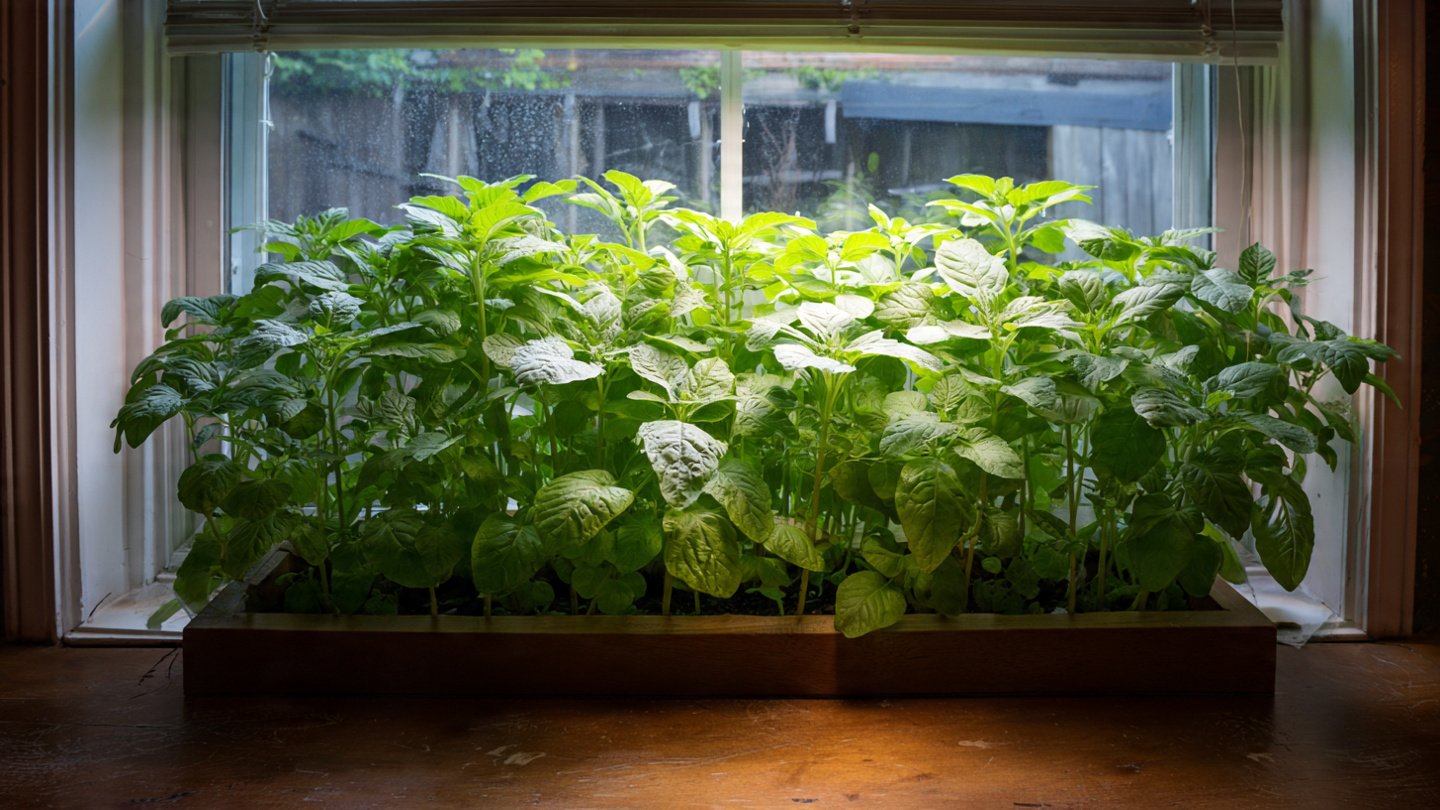
If you’re looking for an easy-to-grow, nutritious green that you can cultivate year-round, amaranth greens are a fantastic choice. Known for their vibrant colors and nutrient density, these leafy vegetables are rich in vitamins A, C, and K, as well as protein and fiber. They are versatile in the kitchen and can be used in a variety of dishes. With some simple strategies, you can successfully grow amaranth greens indoors regardless of the season. This guide will take you through the steps needed to cultivate these greens, covering everything from choosing the right variety to harvesting your crop.
Why Choose Amaranth Greens?
Before diving into the growing process, it’s essential to understand the benefits of choosing amaranth greens over other indoor crops:
-
Nutritional Benefits: Amaranth greens are a powerhouse of essential nutrients. They provide a good source of calcium, iron, and various amino acids.
-
Space Efficiency: Amaranth can be grown in small pots, making them ideal for apartment living or confined spaces.
-
Fast Gardening: These greens have a quick growth cycle, allowing for multiple harvests in a year.
-
Aesthetic Appeal: With their broad leaves and vibrant colors, amaranth plants can be beautiful additions to your indoor garden.
-
Culinary Versatility: Amaranth greens can be used in salads, stir-fries, soups, and smoothies, making them a delightful way to add greens to your diet.
Choosing the Right Variety
There are several varieties of amaranth, but for optimum indoor growth, here are some recommended types:
-
Green Amaranth (Amaranthus viridis): This variety is prized for its tender, nutritious leaves that can be eaten raw or cooked.
-
Red Amaranth (Amaranthus cruentus): Known for its stunning red leaves, this variety boasts a slightly nuttier flavor and retains its color even when cooked.
-
Love-Lies-Bleeding (Amaranthus caudatus): This heirloom variety produces long, cascading flowers; while primarily grown for ornamental value, its leaves are also edible.
Choosing a variety that suits your taste and growing conditions is key to a successful harvest.
Planting Amaranth Greens
1. Seed Selection
Purchasing high-quality seeds from a reliable source is crucial. Look for organic seeds to ensure the best growth and flavor.
2. Potting and Soil
-
Containers: Use pots that are at least 6-8 inches deep, with drainage holes to prevent pooling water. You can use traditional clay pots or plastic containers.
-
Soil: A well-draining potting mix is essential. You can either buy a pre-mixed potting soil or create your own using equal parts compost, peat moss, and perlite.
3. Sowing Seeds
-
Sowing Time: You can sow amaranth seeds indoors at any time of the year. Start the seeds indoors 4-6 weeks before the last expected frost if you plan to move them outdoors.
-
Planting Depth: Sow seeds about 1/4 inch deep. If you’re planting multiple seeds in a pot, keep them spaced at least 2 inches apart.
-
Watering: Water gently after sowing to settle the soil. Maintain moisture but avoid overwatering, which can lead to rot.
Light Requirements
Amaranth greens thrive in bright, indirect sunlight. Aim for about 12-16 hours of light daily:
-
Natural Sunlight: If you have a south-facing window with ample sunlight, that’s ideal. Position your pots to get the most light possible.
-
Grow Lights: If natural light is insufficient, consider using grow lights. LED grow lights are energy-efficient and effective. Position them 12-18 inches above the plants.
Temperature and Humidity
Amaranth greens prefer temperatures between 70°F to 85°F (21°C to 29°C).
-
Temperature Control: Use a heater or air conditioning to maintain a stable temperature.
-
Humidity: Ideally, you want a humidity level of around 50%. If your home is dry, you can use a humidifier or place a tray of water near your plants.
Fertilization
Although amaranth is resilient, providing nutrients will help stimulate growth:
-
Organic Fertilizers: Use organic fertilizers like compost tea or liquid seaweed. Fertilize every 4-6 weeks to ensure your plants grow robustly.
-
Balanced Fertilizers: A balanced fertilizer (NPK 10-10-10) can be used following the instructions for dilution and frequency.
Watering Techniques
Overwatering is a common mistake. Follow these tips for effective watering:
-
Top Watering: Water the soil directly until you see water coming out of the drainage holes.
-
Moisture Check: Stick your finger about an inch into the soil; if it feels dry, it’s time to water.
-
Avoid Water on Leaves: Reduce the risk of fungal diseases by watering at the base of the plant and keeping the leaves dry.
Pest Management
Growing greens indoors can sometimes attract pests:
Identify Common Indoor Pests
-
Aphids: Small green bugs that can cluster on leaves.
-
Spider Mites: Tiny red or black dots that spin fine webs on plants.
-
Whiteflies: Small flying insects that appear when leaves are disturbed.
Control Strategies
-
Natural Insecticides: Use neem oil or insecticidal soap to manage infestations safely.
-
Companion Planting: Consider planting companion herbs like basil or mint, which can repel pests.
-
Regular Monitoring: Inspect your plants regularly for signs of pests and act quickly to mitigate infestations.
Harvesting Amaranth Greens
One of the best aspects of growing amaranth greens is that they can be harvested multiple times. Here’s how to do it:
Timing
- First Harvest: You can start harvesting the leaves when the plants reach around 6-8 inches tall, usually about 4-6 weeks after planting.
Harvesting Techniques
-
Cutting Leaves: Use scissors to cut the outer leaves, allowing the inner leaves to continue growing.
-
Stem Cutting: Alternatively, you can cut the entire plant about an inch above the soil line, encouraging new growth.
Post-Harvesting Care
-
Storage: Freshly harvested amaranth greens can last in the fridge for about 4-7 days. Store them in a sealed bag or container.
-
Washing: Wash your leaves thoroughly to remove any dirt or pests before using them in your meals.
FAQs
Q1: How long does it take for amaranth greens to grow?
A1: Amaranth greens typically take about 4-6 weeks from seed to harvest.
Q2: Can I grow amaranth greens without adequate sunlight?
A2: Yes, you can use grow lights if natural sunlight is inadequate. Aim for 12-16 hours of light daily.
Q3: Is it necessary to repot amaranth plants?
A3: If you notice that your plants are root-bound or not growing well, consider transferring them to a larger pot.
Q4: How often should I water my amaranth greens?
A4: Check the soil moisture; water when the top inch is dry. It usually means watering once or twice a week.
Q5: Are amaranth greens frost-tolerant?
A5: Minimal frost tolerance exists, but they thrive best in warm conditions. Growing year-round indoors helps avoid frost issues.
Q6: Can I eat raw amaranth greens?
A6: Yes, amaranth greens are edible both raw and cooked, making them versatile in various dishes.
Conclusion
Growing amaranth greens indoors year-round can be an incredibly rewarding experience. With the right conditions, care, and attention, these vibrant, nutritious plants can be a staple in your home, adding both color and health benefits to your meals. By following the strategies outlined in this guide, you’ll be well on your way to enjoying a continuous supply of fresh greens — no matter the season!