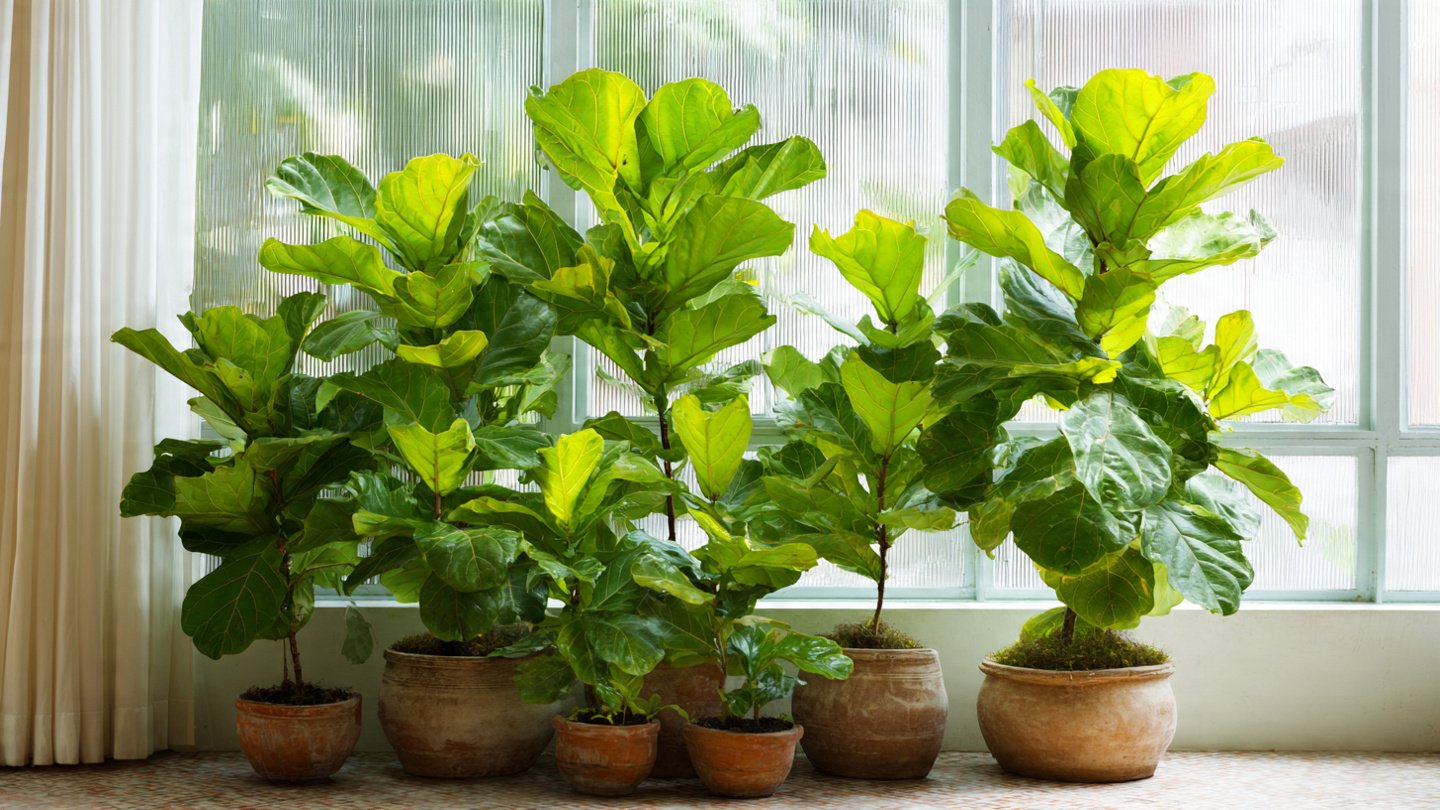
The Fiddle Leaf Fig (Ficus lyrata), known for its large, glossy leaves and striking appearance, has gained immense popularity as a houseplant and garden feature. However, growing this tree successfully, particularly in warm open climates, requires a deep understanding of its spezifical needs and care requirements. In this article, we will explore the best practices for cultivating Fiddle Leaf Fig trees in such environments, ensuring optimal health and growth.
Understanding the Fiddle Leaf Fig
Before diving into specific care tips, it’s essential to understand the Fiddle Leaf Fig. This tropical plant is native to the rainforests of West Africa, where it thrives in warm, humid environments. Its broad leaves are designed to capture sunlight effectively, making it an ideal indoor plant in areas with adequate warmth and light. However, Fiddle Leaf Figs can also be successfully grown outdoors in warm climates if the right conditions are provided.
Temperature Needs
Fiddle Leaf Figs flourish in temperatures ranging from 60°F to 75°F (15°C to 24°C). While they can tolerate higher temperatures, it’s essential to ensure they are not exposed to extreme heat for prolonged periods. For outdoor cultivation, choose a location that is warm but also provides some protection from the harsh midday sun, which can scorch the leaves.
Humidity Levels
As tropical plants, Fiddle Leaf Figs prefer higher humidity levels—ideally between 30% and 65%. In warm open climates, humidity can sometimes drop, especially during summer. Consider misting the leaves or placing a humidifier nearby to maintain adequate moisture levels. Grouping plants together can also help increase humidity through transpiration.
Site Selection
Selecting the right site is critical for the success of your Fiddle Leaf Fig. Here are some factors to consider when choosing a location:
Sunlight Exposure
Fiddle Leaf Figs thrive in bright, indirect sunlight. Direct sunlight, particularly during peak hours, can scorch their leaves, while too little light can stunt their growth. Ideally, place your Fiddle Leaf Fig in a spot that receives filtered sunlight for most of the day. This can be achieved by using sheer curtains if growing indoors or under a shaded patio if planting outside.
Wind Protection
In warm open climates, you may encounter strong gusts of wind that can damage the leaves and stems of Fiddle Leaf Figs. Planting your tree near a windbreak—like a fence or a row of shrubs—can help reduce wind exposure and protect the plant from physical stress.
Soil Requirements
The right soil is vital for the health of Fiddle Leaf Fig trees. They prefer well-draining, nutrient-rich soil that retains some moisture but doesn’t become waterlogged.
Soil Mix
A high-quality potting mix designed for tropical plants often works well. Alternatively, you can create your own mix by combining:
- 2 parts potting soil: Provides essential nutrients.
- 1 part perlite or pumice: Enhances drainage and aeration.
- 1 part orchid bark: Improves moisture retention while preventing compaction.
pH Level
Fiddle Leaf Figs prefer a slightly acidic to neutral pH level of 6.0 to 7.0. Testing the soil’s pH can help you determine if amendments are necessary. Wood ash or lime can be added to raise pH, while sulfur can lower it if needed.
Watering Practices
Watering is one of the most critical aspects of Fiddle Leaf Fig care. These trees prefer to dry out slightly between watering sessions, so understanding how often to water is key to preventing root rot and other issues.
Signs of Watering Needs
- Underwatering: Leaves may curl or develop brown edges.
- Overwatering: Leaves will turn yellow and may drop prematurely.
General Watering Guidelines
Typically, during the growing season (spring and summer), water your Fiddle Leaf Fig when the top inch of soil feels dry. In fall and winter, reduce watering frequency since the tree’s growth slows. Always water deeply to ensure moisture reaches the roots, and let excess water drain out completely to prevent standing water.
Fertilization
To encourage optimal growth and foliage production, regular fertilization is necessary.
Types of Fertilizers
A balanced, water-soluble fertilizer (with an N-P-K ratio of 10-10-10 or similar) is suitable for Fiddle Leaf Figs. Fertilize every 4 to 6 weeks during the growing season, and reduce or stop altogether during fall and winter.
Organic Options
If you prefer organic fertilization, consider options like compost or well-rotted manure. These can enrich the soil while releasing nutrients slowly, minimizing the risk of fertilizer burn.
Pruning and Maintenance
Regular pruning not only enhances the aesthetic appeal of your Fiddle Leaf Fig but also promotes healthy growth.
When to Prune
The best time to prune is early spring, just before the growing season begins. This timing allows the tree to recover quickly and produce new growth.
How to Prune
- Remove dead or damaged leaves: This encourages better air circulation and reduces the risk of pests and diseases.
- Manage height and shape: Prune back wayward branches to maintain a compact shape.
- Encourage bushiness: To promote bushier growth, pinch back the tips of new growth.
Pest Control and Disease Management
Fiddle Leaf Figs are susceptible to various pests and diseases, particularly in outdoor settings.
Common Pests
- Spider mites: Often appear in dry conditions; signs include webbing and stippled leaves. Increase humidity and use insecticidal soap to control them.
- Mealybugs: White, cottony clusters found in leaf axils and on stems. They can be removed with cotton swabs dipped in alcohol or with neem oil.
- Scale: Small, brown bumps on leaves or stems. Treat with insecticidal soap or neem oil.
Diseases to Watch
- Root Rot: Caused by overwatering and poor drainage. Ensure pots have drainage holes, and always allow the soil to dry out between watering.
- Leaf Spot: Dark spots on leaves can indicate fungal infections. Improve air circulation and avoid overhead watering to reduce the risk.
Overwintering Fiddle Leaf Figs
If you live in an area with colder winters, consider the following tips for overwintering your Fiddle Leaf Fig, especially if it’s grown outdoors:
-
Bring Indoors: Before the frost hits, bring your Fiddle Leaf Fig indoors to a warm, bright location.
-
Gradual Acclimation: Acclimate your plant gradually to prevent shock when transferring between indoor and outdoor conditions.
-
Maintain Care: Continue watering and fertilizing as necessary, but adjust frequency based on reduced light and growth conditions indoors.
FAQs
1. Can Fiddle Leaf Figs be grown in pots?
Yes, Fiddle Leaf Figs can be successfully grown in pots. Ensure the pot has drainage holes to prevent waterlogging.
2. How fast do Fiddle Leaf Figs grow?
Under optimal conditions, Fiddle Leaf Figs can grow several feet annually. However, growth may slow in less ideal conditions.
3. Why are the leaves on my Fiddle Leaf Fig falling off?
Leaf drop can be attributed to various factors including overwatering, underwatering, sudden temperature changes, or lack of light.
4. Can I grow a Fiddle Leaf Fig outdoors in pots?
Absolutely! Just make sure to bring them indoors or provide protection during its dormant winter period.
5. What should I do if my Fiddle Leaf Fig is leggy?
To encourage fuller growth, prune back long stems and rotate the plant regularly to ensure even light exposure.
6. Are Fiddle Leaf Figs toxic to pets?
Yes, Fiddle Leaf Figs are toxic to pets if ingested. Keep them out of reach of curious animals.
7. How do I encourage a Fiddle Leaf Fig to branch out?
To encourage branching, pinch back the top of the main stem or any tall stems. This will promote side growth.
Conclusion
Growing Fiddle Leaf Fig trees in warm open climates can be a rewarding experience, granting you a stylish and vibrant addition to your landscape or home. By providing the right sunlight, water, soil, and care, you can cultivate a healthy, thriving Fiddle Leaf Fig that enhances your environment. With patience and attention to detail, these stunning plants can flourish in even challenging conditions, offering beauty and joy for years to come.