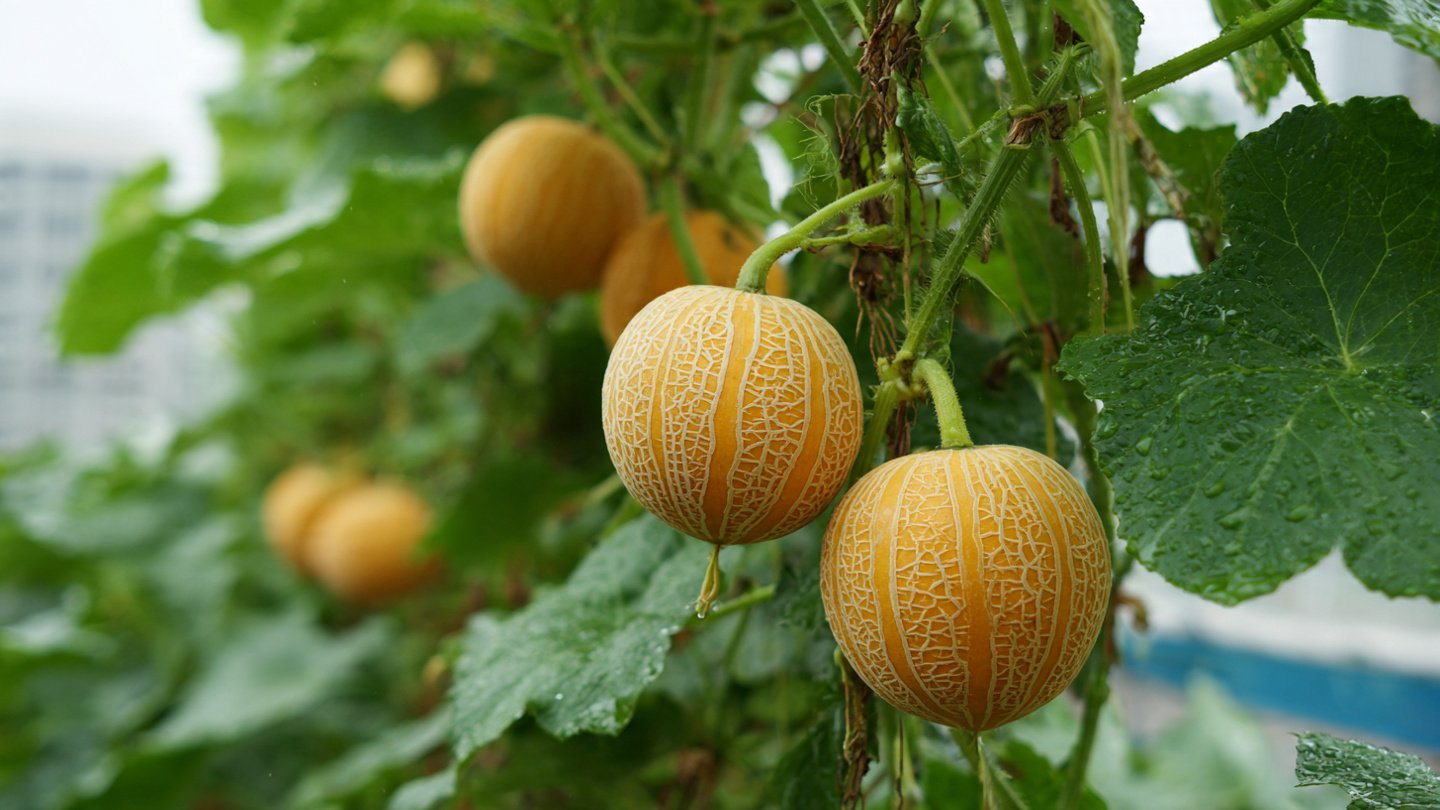
Urban gardening presents unique challenges, particularly related to limited space. For gardeners in small backyards, balconies, or rooftop spaces, vertical growing techniques offer an innovative solution. Among the various crops suitable for vertical cultivation, muskmelons (commonly known as cantaloupes) stand out for their sweet flavor and high demand. This article will delve into how to maximize space and yield while growing muskmelons vertically in urban gardens.
Understanding Muskmelons
Muskmelons belong to the Cucurbitaceae family, which includes cucumbers, pumpkins, and zucchini. They prefer warm climates and thrive in well-drained soil. The fruit is rich in vitamins A and C, and its sweet, juicy flesh makes it a sought-after summer treat. By utilizing vertical growing techniques, urban gardeners can maximize their yields and optimize their gardening spaces.
Advantages of Vertical Gardening
- Space Efficiency: Vertical gardening makes use of vertical space, allowing more plants to be grown in a limited horizontal area.
- Improved Air Circulation: Elevating plants can lead to better air flow, reducing the risk of fungal diseases.
- Enhanced Sunlight Exposure: Plants grown vertically can receive more sunlight, promoting healthier growth.
- Easier Harvesting: Fruits are easier to access, reducing the need to bend down.
- Aesthetic Appeal: Vertical gardens can serve as beautiful green walls or trellises, enhancing the overall look of urban spaces.
Key Techniques for Vertical Muskmelon Cultivation
Choosing the Right Variety
Not all muskmelon varieties are suitable for vertical growth. Look for varieties that produce smaller fruits and have a bush habit. Some recommended varieties include:
- Hales Best: Known for its sweetness, this variety grows well in confined spaces.
- Sugar Cube: A compact variety that produces small, sweet melons.
- Ambrosia: Produces juicy, smooth-skinned melons ideal for small gardens.
Preparing the Soil
Muskmelons thrive in well-draining soil with plenty of organic matter. Here’s how to prepare your soil:
- Choose a Location: Find a sunny spot that receives at least 6-8 hours of direct sunlight daily.
- Soil Testing: Conduct a soil test to determine pH levels. Muskmelons prefer a slightly acidic to neutral pH (between 6.0 and 6.8).
- Amend the Soil: Integrate compost or well-rotted manure to improve soil fertility and drainage.
Utilizing Trellises and Support Systems
Building a sturdy support system is crucial for vertical muskmelon growth. Follow these steps:
- Selecting a Trellis: Use strong materials such as wood, metal, or heavy-duty fencing. A trellis should be at least 5-6 feet tall.
- Configuring the Structure: Construct a vertical framework or an A-frame trellis. The structure needs to be stable enough to support the weight of the plants and fruit.
- Positioning: Place the trellis in a location where melons can climb naturally. Ensure adequate space for airflow around the plants.
Planting and Spacing
Ensure you follow proper planting techniques to maximize yield:
- Seed Start Indoors: To extend your growing season, start seeds indoors about 4-6 weeks before the last frost date.
- Transplanting: Once seedlings have developed 2-3 true leaves and all risk of frost has passed, transplant them outdoors.
- Spacing: Space plants about 18-24 inches apart for optimal growth and airflow. If multiple trellises are used, maintain at least 3 feet between them.
Training and Pruning
Training muskmelons to grow vertically requires consistent effort:
- Initial Training: Gently guide the plant’s main stem towards the trellis after establishing roots in the new environment.
- Using Ties: Use soft clips or twine to secure the stems to the trellis gently. Avoid using anything that could constrict growth.
- Regular Pruning: Remove any excess leaves or side shoots to focus the plant’s energy on the developing fruits. This allows better airflow and sunlight exposure.
Watering and Fertilization
Proper hydration and feeding are crucial for a robust yield:
- Watering: Muskmelons require consistent moisture. Water the plants deeply at least once a week, especially during dry spells. As fruits begin to form, increase watering slightly to maintain fruit quality.
- Fertilization: Use a balanced fertilizer designed for fruits. An application of nitrogen-rich fertilizer is beneficial during the early growth stages, with a switch to a phosphorus and potassium-rich fertilizer as fruits develop.
Pest and Disease Management
Maintaining plant health is essential:
- Common Pests: Keep an eye out for aphids, spider mites, and cucumber beetles. Use insecticidal soap or neem oil as a preventive measure.
- Fungal Diseases: Powdery mildew and downy mildew are common. Ensure good air circulation by managing leaf density and using organic fungicides when necessary.
- Natural Predators: Introduce beneficial insects like ladybugs and lacewings to control pest populations naturally.
Harvesting Muskmelons
Know when to harvest for the best flavor and texture:
- Signs of Ripeness: Look for a uniform skin color and a slight yellowing at the blossom end. The melon should also have a sweet aroma.
- Harvest Timing: Most muskmelons take around 75-90 days from seed to harvest. Fluctuating temperatures and other environmental conditions may affect this timeline.
- Cutting the Fruit: Use a sharp knife to cut the melon from the vine, leaving a small stem attached.
Sustainable Practices
Urban gardens benefit from sustainable practices:
- Rainwater Harvesting: Collect rainwater to irrigate your garden sustainably.
- Composting: Create a compost bin to recycle kitchen scraps and garden waste, enriching the soil.
- Crop Rotation: If you’re gardening in the same spot each year, rotate crops to prevent soil depletion and reduce disease risk.
Common Challenges in Vertical Muskmelon Growing
- Limited Space: Ensure that all plants receive adequate sunlight. Avoid overcrowding.
- Strong Winds: Ensure your trellises and plants can withstand windy conditions typical in urban areas.
- Less Soil Volume: Use raised beds or container gardening techniques to optimize soil depth.
Frequently Asked Questions (FAQs)
1. Can muskmelons really be grown vertically?
Yes, muskmelons can be successfully grown vertically with the right support structures, allowing for increased space efficiency and easier access for harvesting.
2. What type of trellis is best for muskmelons?
A sturdy trellis made of wood, metal, or heavy-duty fencing is ideal. A-frame or lattice trellises provide ample support.
3. How much sunlight do muskmelons need?
Muskmelons need at least 6-8 hours of full sunlight each day for optimal growth and fruit production.
4. How often should I water my muskmelons?
Water muskmelons deeply at least once a week; adjust as needed based on weather conditions, especially during fruit development.
5. When can I expect to harvest my melons?
Typically, muskmelons are ready to harvest 75-90 days after planting, depending on the variety and growing conditions.
6. What should I do if my plants get pests?
Use organic pest control methods like insecticidal soap or neem oil to manage infestations. Regular monitoring is essential.
7. Can I grow muskmelons in containers?
Yes, muskmelons can be successfully grown in larger containers with good drainage and enough space for the roots to expand.
8. What is the best fertilizer for muskmelons?
A balanced fertilizer rich in nitrogen during early growth, switching to one higher in phosphorus and potassium as the fruits develop, is effective.
9. How do I know when my muskmelons are ripe?
Look for a sweet aroma, a slight yellowing at the blossom end, and a uniform color indicating ripeness before harvesting.
10. Are there specific soil amendments I should consider?
Incorporate compost or well-rotted manure to enhance soil fertility and structure, supporting healthy muskmelon growth.
Conclusion
Maximizing space and yield with vertical muskmelon growing techniques in urban gardens is not only feasible but also rewarding. By selecting the right varieties, utilizing appropriate support systems, and maintaining consistent care through watering, fertilization, and pest management, urban gardeners can enjoy a bountiful harvest of delicious muskmelons. With creativity and dedication, your urban garden can bloom and bear fruit, even in the smallest of spaces!