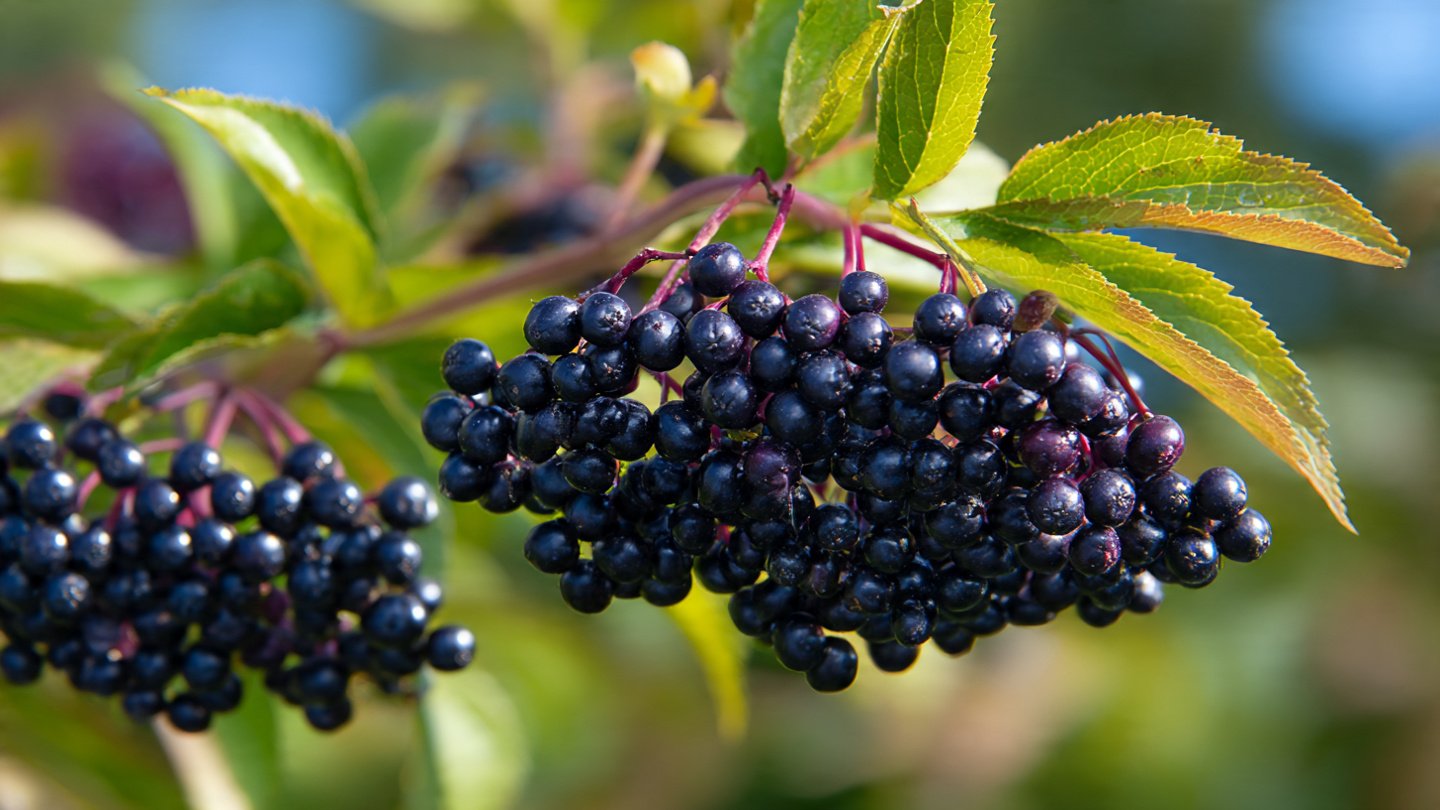
Elderberries have gained significant popularity in recent years, particularly for their medicinal attributes and culinary benefits. These resilient plants, especially in their cold-tolerant varieties, thrive in a variety of climates and can add beauty, biodiversity, and nutritional value to your garden. In this guide, we will explore how to cultivate these robust elderberry varieties successfully, particularly in regions with challenging climates.
Understanding Elderberry Varieties
Before delving into the cultivation process, it’s essential to understand the different elderberry species. The most common types include:
European Elderberry (Sambucus nigra)
This species is often recognized for its substantial berries, which are prized for making syrups, jams, and wine. However, it is less cold-hardy than its American counterpart.
American Elderberry (Sambucus canadensis)
This species typically grows in wet, open areas and is more adaptable to various soils and climates. It’s known for its ability to withstand cold temperatures, making it suitable for most regions in North America.
Variety Selection
When aiming for cold tolerance, you should consider specific cultivars known for their resilience:
- ‘York’: This hardy cultivar produces large fruit and is known for its disease resistance.
- ‘Adams’: Great for colder climates, this variety has been cultivated since the 1950s and is appreciated for its sweet berries.
- ‘Nova’: This variety is excellent for both fruit production and ornamental purposes, boasting attractive foliage.
Selecting the Right Location
Elderberries prefer well-draining soil and full sun, although they can tolerate partial shade. Below are crucial factors to consider when choosing a location:
Soil Conditions
- pH Levels: Elderberries thrive in slightly acidic to neutral soil (pH 6.0 to 7.0).
- Texture: Loamy or sandy soils with good drainage are ideal. Amend heavy clay soils with organic matter to improve drainage.
Sunlight
Aim for at least 6-8 hours of sunlight daily. While elderberries can tolerate partial shade, optimal fruiting occurs in full sun.
Space Considerations
Elderberries can grow large, reaching heights of 6-12 feet. Plan for adequate spacing (6-10 feet apart) to ensure good air circulation and growth.
Planting Techniques
When to Plant
The best time to plant elderberries is in the spring, after the last frost when the soil is workable. In mild climates, fall planting is also possible.
Planting Steps
-
Preparation:
- Test the soil pH and amend it if necessary.
- Clear the area of weeds and debris to reduce competition.
-
Digging the Hole:
- Dig a hole slightly larger than the root ball to provide ample room for growth.
-
Positioning the Plant:
- Place the elderberry in the hole, ensuring that the root crown sits at soil level.
-
Backfilling:
- Backfill with a mix of native soil and compost, gently pressing to remove air pockets.
-
Watering:
- Water thoroughly after planting to ensure the roots settle and establish.
Mulching and Watering
- Mulch: Apply a 2-3 inch layer of mulch around the base to retain moisture and suppress weeds.
- Watering: Newly planted elderberries require consistent moisture. Water them regularly, especially during dry spells.
Maintenance Tips
Fertilization
Elderberries benefit from moderate fertilization. A balanced fertilizer (10-10-10) applied in early spring can promote healthy growth. Avoid over-fertilizing, which can lead to excessive foliage at the expense of fruit production.
Pruning
Regular pruning helps maintain the health and productivity of elderberries:
- Timing: Prune in late winter or early spring before new growth begins.
- Method: Remove dead or damaged branches, and thin out crowded areas to enhance airflow.
Pest and Disease Management
While elderberries are relatively pest-resistant, they can be susceptible to issues such as:
- Aphids: These pests can weaken the plant by sucking sap. Use neem oil or insecticidal soap to control infestations.
- Fungal Diseases: Powdery mildew and root rot may occur in overly damp conditions. Ensure proper spacing and air circulation to mitigate these risks.
Harvesting Elderberries
Elderberries are typically ready for harvest in late summer to early fall, depending on the variety and region. Here’s how to properly harvest:
-
Timing: Wait until the berries are dark purple to black. They should appear plump and slightly glossy.
-
Method: Use scissors or garden shears to clip the clusters, taking care not to damage the plant.
-
Processing: Always cook elderberries before consumption, as raw berries (along with other plant parts) contain toxic compounds.
Winter Preparation
In colder climates, preparing elderberries for winter is crucial:
- Mulching: Apply an additional layer of mulch around the base to protect the roots from freezing temperatures.
- Watering: Ensure the plants are well-watered before the first hard frost. Healthy plants withstand winter stress better.
Companion Planting
Elderberries can benefit from companion planting, which promotes healthy growth and deters pests. Consider planting them alongside:
- Fruit Trees: Apples or pears may promote pollination.
- Herbs: Basil and mint can deter pests while attracting beneficial insects.
Enhancing Biodiversity
By cultivating cold-tolerant elderberry varieties, you are contributing to local biodiversity. Elderberries attract pollinators, including bees and butterflies, and provide food for various birds and mammals.
Common Issues and Solutions
| Issue | Solution |
|---|---|
| Overwatering | Improve drainage and adjust watering routine. |
| Poor fruit production | Ensure proper sunlight, fertilization, and pruning. |
| Pest infestations | Employ organic pest control methods such as neem oil. |
FAQs about Cultivating Cold Tolerant Elderberry Varieties
1. How do I know if my elderberry plant is cold-tolerant?
Look for cultivars like ‘York,’ ‘Adams,’ and ‘Nova,’ which are well-documented for their cold-hardiness.
2. What is the ideal spacing for elderberry plants?
Aim for 6-10 feet apart to allow for adequate growth and airflow.
3. Can I grow elderberries in a container?
Yes, elderberries can grow in containers, but ensure the container is large enough (at least 5-10 gallons) for root growth.
4. How can I tell when elderberries are ripe?
Ripe elderberries are dark purple to black and should look plump. They typically ripen in late summer to early fall.
5. Are elderberries safe to eat raw?
No, raw elderberries contain toxic compounds. They should always be cooked before consumption.
6. What pests are common with elderberries, and how can I manage them?
Common pests include aphids and spider mites. Use organic insecticides or introduce beneficial insects like ladybugs.
Conclusion
Cultivating cold-tolerant elderberry varieties can transform your garden into a thriving oasis, even in challenging climates. With the right selection, planting methods, and care, you can enjoy the beauty and bounty of these resilient plants. By following this comprehensive guide, you’ll be well on your way to growing successful elderberries that contribute not only to your garden but also to local biodiversity and ecosystems. Happy gardening!