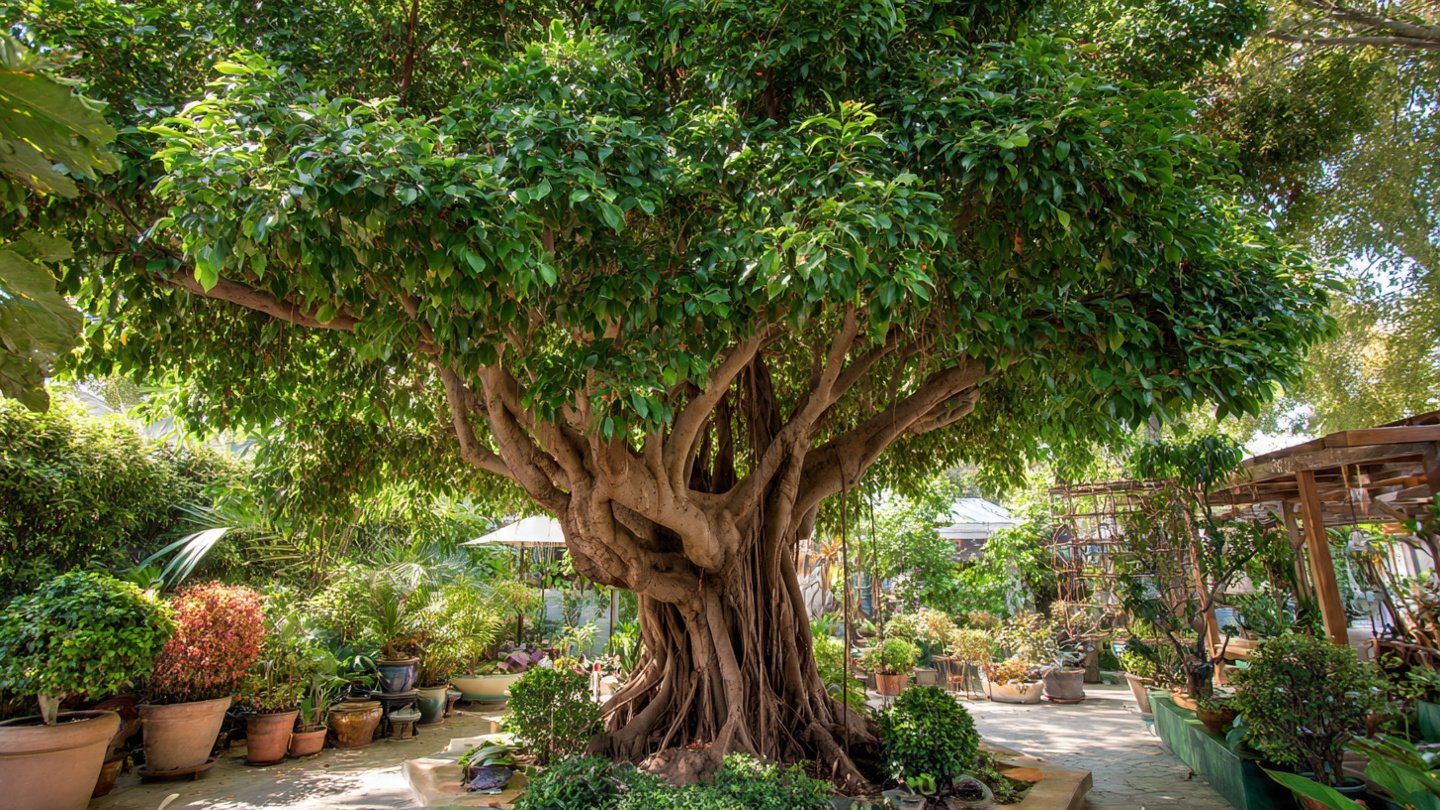
The Weeping Fig, scientifically known as Ficus benjamina, is a popular choice for both indoor and outdoor gardens due to its elegant drooping branches, glossy leaves, and versatility. Prized for its air-purifying qualities and aesthetic appeal, this hardy tree can become a stunning focal point in your garden if properly shaped and cared for. In this ultimate guide, we’ll explore everything you need to know about naturally shaping your Weeping Fig to create an enchanting outdoor display, as well as addressing some frequently asked questions.
1. Understanding the Weeping Fig
1.1 Background and Characteristics
The Weeping Fig is native to Southeast Asia but thrives in subtropical and tropical regions worldwide. This evergreen tree can grow up to 100 feet tall in its natural habitat, but it is commonly pruned to maintain a more manageable size in gardens. The plant features glossy green leaves that can vary in shape, from oval to narrow. While the Weeping Fig is often grown indoors, a well-cared-for specimen makes a splendid outdoor feature.
1.2 Growth Conditions
Before shaping your Weeping Fig, it’s essential to provide the ideal growing conditions. The tree prefers:
-
Light: Bright, indirect sunlight is best. Direct sunlight can scorch the leaves, while too little light can hinder growth.
-
Soil: A well-draining potting mix or garden soil is crucial. The soil should retain some moisture but not become water-logged.
-
Watering: Allow the top inch of soil to dry out between watering. Over-watering can lead to root rot.
-
Humidity: Weeping Figs prefer higher humidity levels, so misting during dry spells or using a humidifier can help.
2. Techniques for Shaping Your Weeping Fig
Shaping a Weeping Fig requires a combination of wise pruning practices, training techniques, and patience. Let’s break down these methods to achieve that perfect outdoor display.
2.1 Pruning
2.1.1 Timing
Pruning should be performed during the growing season, typically in spring or early summer. This timing encourages healing and new growth.
2.1.2 Tools
Utilize clean, sharp tools such as pruning shears or hand pruners to make precise cuts, minimizing the risk of disease.
2.1.3 Cutting Techniques
-
Removal of Dead or Damaged Branches: Start by removing any dead, broken, or diseased branches. Cut these back to healthy tissue or remove them entirely.
-
Thinning: For a more open and airy appearance, selectively thin out branches that crisscross or overcrowd each other.
-
Shaping: Gradually clip the ends of the branches to encourage bushiness. If you desire a height increase, cut back the lower branches but keep the upper branches intact.
2.2 Training
Training involves manipulating the tree’s growth direction. Here’s how to do it:
-
Use of Stakes: If you wish to create height, stake your Weeping Fig, maintaining a straight trunk. Use soft ties to prevent damage while allowing for movement.
-
Bonsai Techniques: For indoor specimens, consider using bonsai techniques on smaller Weeping Figs. Wiring techniques can help create intricate shapes, but be cautious as the wire can damage the bark if left on too long.
-
Supporting Structure: Create a trellis or support to guide the tree’s growth if you’re aiming for an arch or other artistic shape.
2.3 Repotting and Soil Management
Repotting can stimulate growth and improve structure:
-
When to Repot: Every 2 to 3 years, or once the roots have filled the pot.
-
Soil Mix: Use a well-aerated mix. Regularly adding organic matter can enhance soil fertility and drainage.
-
Root Pruning: When repotting, you can also prune back the roots slightly. This helps keep the tree’s size manageable while encouraging new growth.
3. Maintaining Your Weeping Fig
3.1 Fertilization
To maintain optimal health and growth, fertilize your Weeping Fig every four to six weeks during the growing season. A balanced, slow-release fertilizer works well. Follow the manufacturer’s instructions for dosage.
3.2 Pests and Diseases
Regularly check for pests such as spider mites, aphids, or scale. If infestations occur, treat them with insecticidal soap or neem oil. Common diseases to look out for include:
-
Root Rot: Usually caused by over-watering. Ensure proper drainage.
-
Leaf Drop: Can result from sudden environmental changes. Maintain a stable environment.
3.3 Seasonal Changes
As seasons change, adjust your care routine. In winter, decrease watering and fertilization, and protect the tree from cold drafts.
4. Creating a Harmonious Display
4.1 Companion Planting
Consider pairing your Weeping Fig with complementary plants. Flowering shrubs, ornamental grasses, and ground covers can add depth and texture to your garden:
-
Layering: Use taller plants in the back and shorter ones in front for visual interest.
-
Color Contrast: Select plants that have contrasting leaf shapes and colors to enhance the Weeping Fig’s elegance.
4.2 Mulching
Applying a layer of organic mulch around the base of your Weeping Fig can help retain moisture, control weeds, and improve soil quality.
4.3 Seasonal Florals
Adding seasonal flowers can provide bursts of color and keep the landscape dynamic throughout the year. Choose plants that thrive in your climate zone and complement the Weeping Fig.
4.4 Lighting
Using outdoor lighting to highlight your Weeping Fig can enhance its beauty in the evenings. Up-lighting or down-lighting can create dramatic effects, making your garden distinct even at night.
5. FAQs
5.1 How fast does a Weeping Fig grow?
Weeping Figs typically grow moderately, at about 2 to 3 feet per year under optimal conditions. With proper care and shaping, they can reach reasonable heights that suit your garden space.
5.2 Can I keep a Weeping Fig small?
Yes, regular pruning and repotting can help maintain a smaller size. Techniques like bonsai shaping can also be employed for even greater control over the tree’s growth.
5.3 Is the Weeping Fig toxic to pets?
Yes, the Weeping Fig is mildly toxic to dogs and cats. Keep your pets from chewing on the leaves, as ingestion may cause stomach upset.
5.4 How often should I water my Weeping Fig?
Water when the top inch of soil feels dry. Frequency will depend on the climate and season, typically every 1-2 weeks.
5.5 Can I grow a Weeping Fig in a pot?
Absolutely! Weeping Figs can grow well in pots, making them versatile for patios or courtyards. Just ensure sufficient drainage and proper watering.
5.6 Why are the leaves turning yellow?
Yellowing leaves can indicate over-watering, nutrient deficiencies, or a change in environmental conditions. Check the soil’s moisture and consider fertilization.
Conclusion
Shaping your Weeping Fig naturally can transform it from a simple tree into the centerpiece of your outdoor garden. With proper care, thoughtful pruning and training, and a harmonious planting strategy, your Weeping Fig will not only thrive but also become a stunning visual focal point in your landscape. Remember that patience is key; beautiful results take time. Enjoy the process and let your creativity flourish in your outdoor space!