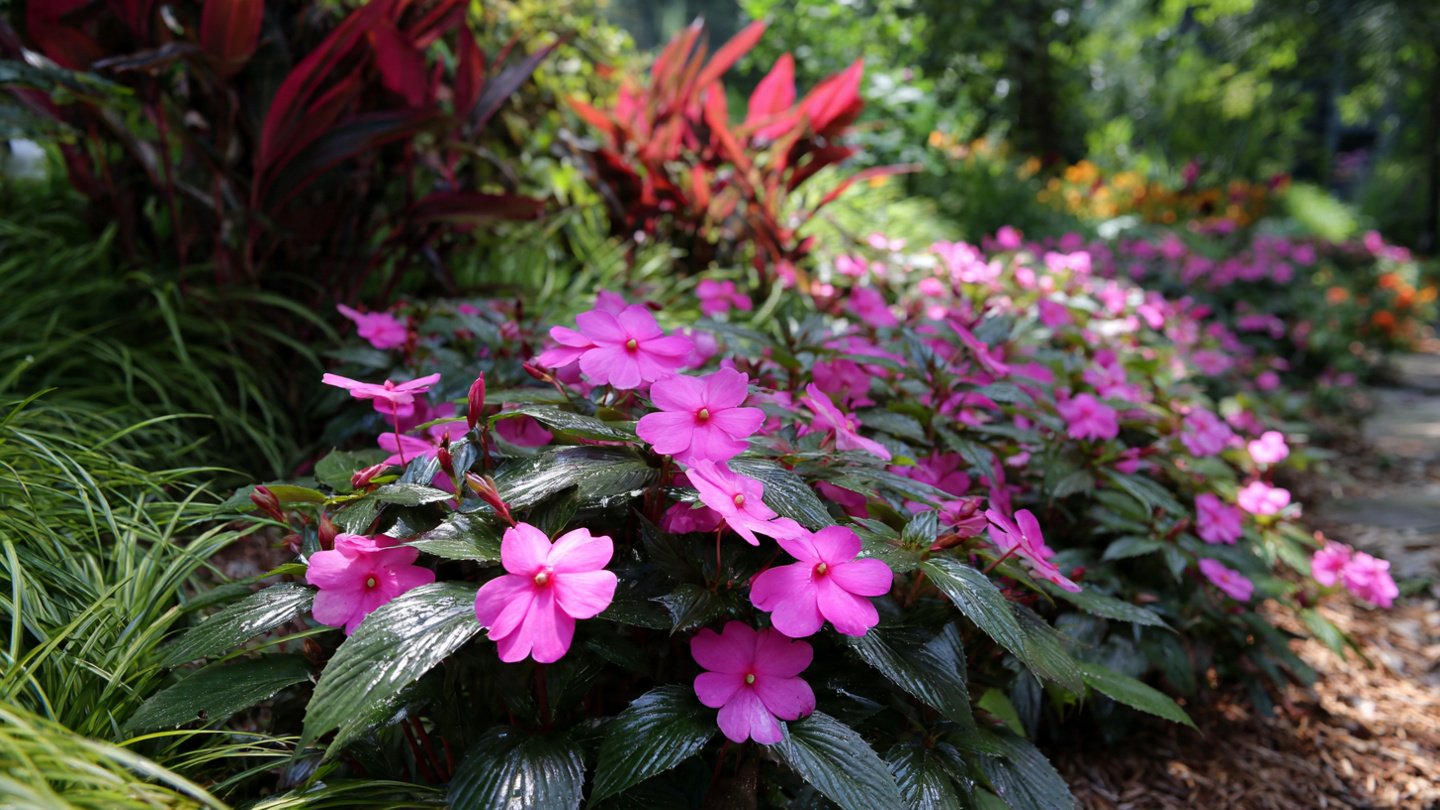
When it comes to brightening up shaded garden areas, few flowers rival the charm and vibrancy of impatiens. Known for their lush foliage and abundant blooms, these versatile plants thrive in conditions where many other flowers might falter. Whether you’re looking to enliven a dull corner or want to create a stunning display, cultivating impatiens in shaded areas can be immensely rewarding. This article outlines the essential steps and tips you need to succeed in growing impatiens, along with a frequently asked questions (FAQs) section to address common concerns.
Understanding Impatiens
Types of Impatiens
Before diving into cultivation techniques, it’s beneficial to understand the different types of impatiens available. The most commonly grown types are:
-
Impatiens walleriana: Often referred to simply as “impatiens,” these are the classic varieties available in a rainbow of colors. They are particularly notable for their ability to bloom profusely in shady spots.
-
New Guinea Impatiens: These hybrids are slightly more robust and can handle more sunlight but still thrive in partial shade. Their leaves are thicker and they come in a wider range of colors and patterns.
-
SunPatiens: A hybrid variant that can tolerate more sunlight than traditional impatiens while still thriving in partial shade.
Understanding these differences will help you choose the right type for your specific gardening needs.
Step-by-Step Guide to Cultivating Impatiens
1. Choosing the Right Location
Despite their ability to flourish in the shade, impatiens prefer dappled sunlight. Look for areas that receive indirect sunlight for most of the day. Ideally, they should have a few hours of morning sun, as this can enhance flowering while keeping the plants cool in the afternoon heat.
2. Preparing the Soil
Impatiens prefer moist, well-drained soil rich in organic matter. Here’s how to prepare your soil:
-
Testing the Soil: Use a soil test kit to check the pH. Impatiens thrive in slightly acidic to neutral soil (pH of 6.0 to 7.0).
-
Amending the Soil: If your soil is heavy clay or sandy, amend it with organic matter such as compost, peat moss, or well-rotted manure. This enhances drainage, retains moisture, and adds nutrients.
3. Selecting Healthy Plants
When purchasing seedlings, look for plants that are bushy and have no signs of disease. Avoid those with yellowing leaves or tiny pests. If possible, buy from a reputable nursery that specializes in healthy, well-cared-for plants.
4. Planting
-
Planting Depth and Spacing: When planting impatiens, dig holes that are the same depth as the root ball. Space them about 8 to 12 inches apart to allow for their bushy nature.
-
Watering: After planting, water the area thoroughly to help settle the soil and provide moisture to the newly planted roots.
5. Watering and Fertilizing
Impatiens are known for their love of moisture, but they also dislike soggy roots. Here are some watering tips:
-
Consistent Moisture: Water them thoroughly when the top inch of soil feels dry. Consider using a drip irrigation system to maintain consistent moisture without overwatering.
-
Fertilizing: Use a balanced, slow-release fertilizer during the growing season. Liquid fertilizers can also be applied bi-weekly, diluted to half strength, during the blooming period to promote vibrant blooms.
6. Mulching
Adding a layer of mulch can help retain soil moisture and keep weeds at bay. Use organic mulches, such as shredded bark or straw, to add nutrients as they break down. Apply a layer that is about 2 inches thick around the plants, but keep it away from the stems to prevent rot.
7. Pruning
Regular pruning helps promote bushier growth and more blooms. Pinch off any dead flowers (a process known as “deadheading”) and trim back any overly leggy growth. If your plants become too dense, selectively remove some stems to improve air circulation.
8. Managing Pests and Diseases
Impatiens are relatively resistant to pests, but they can sometimes be affected by aphids, spider mites, and even downy mildew. Here’s how to keep them healthy:
-
Regular Inspection: Check your plants regularly for signs of pests or disease. Early detection is key.
-
Natural Remedies: Use insecticidal soap or neem oil as a natural treatment for pests. For downy mildew, ensure proper air circulation and avoid overhead watering to reduce humidity levels around the plants.
9. Seasonal Care
Impatiens are sensitive to cold weather, so it’s crucial to take care of them as seasons change.
-
Fall Care: As the temperatures begin to dip in autumn, if you live in an area with harsh winters, consider bringing potted plants indoors or covering garden beds with mulch to protect them.
-
Winter Storage: If you wish to keep your impatiens for the next season, you can take cuttings and root them in water or pot them in soil indoors.
Creating a Gorgeous Impatiens Display
By following these steps, you can create a stunning display of impatiens even in shady garden areas. Consider layering them with different heights, integrating ferns or hostas to provide contrast, or incorporating other shade-loving companions like coleus or caladium. The key is to craft an arrangement that not only highlights the impatiens but also creates a harmonious balance among the different plants.
FAQs
1. How much light do impatiens need to thrive?
Impatiens thrive in partial to full shade, particularly benefiting from dappled sunlight. They may tolerate some morning sun but prefer protection from harsh afternoon rays.
2. Can I grow impatiens in containers?
Absolutely! Impatiens grow well in containers, which can be placed in shaded areas provided there’s proper drainage and consistent moisture.
3. What type of soil is best for impatiens?
Impatiens prefer well-draining, nutrient-rich, and slightly acidic soil. Adding organic matter, like compost, can enhance soil quality.
4. How often should I water impatiens?
Water impatiens when the top inch of soil feels dry. Consistent moisture is essential, but be mindful of not overwatering.
5. Can I propagate impatiens?
Yes, impatiens can be propagated through cuttings. Take healthy cuttings in the spring or summer and root them in water or soil.
6. What should I do if my impatiens develop mold or mildew?
If you notice mold or mildew, improve air circulation around the plants and avoid overhead watering. You may also treat them with fungicides specific for downy mildew.
7. Are impatiens toxic to pets?
Impatiens are considered non-toxic to pets, but ingesting large amounts could cause mild gastrointestinal upset. It’s always best to prevent your pets from chewing on any plants.
8. How long do impatiens typically bloom?
Impatiens can bloom from late spring until the first frost, providing a lengthy period of color for shady areas.
Conclusion
Cultivating impatiens in shaded garden areas can provide a vibrant and appealing touch to your outdoor space. By following these simple steps—from choosing the right location to caring for your plants—you’re well on your way to enjoying a flourishing display of color. Don’t hesitate to experiment with various types of impatiens and companion plants. Your shaded garden can become a beautiful oasis full of life and color!