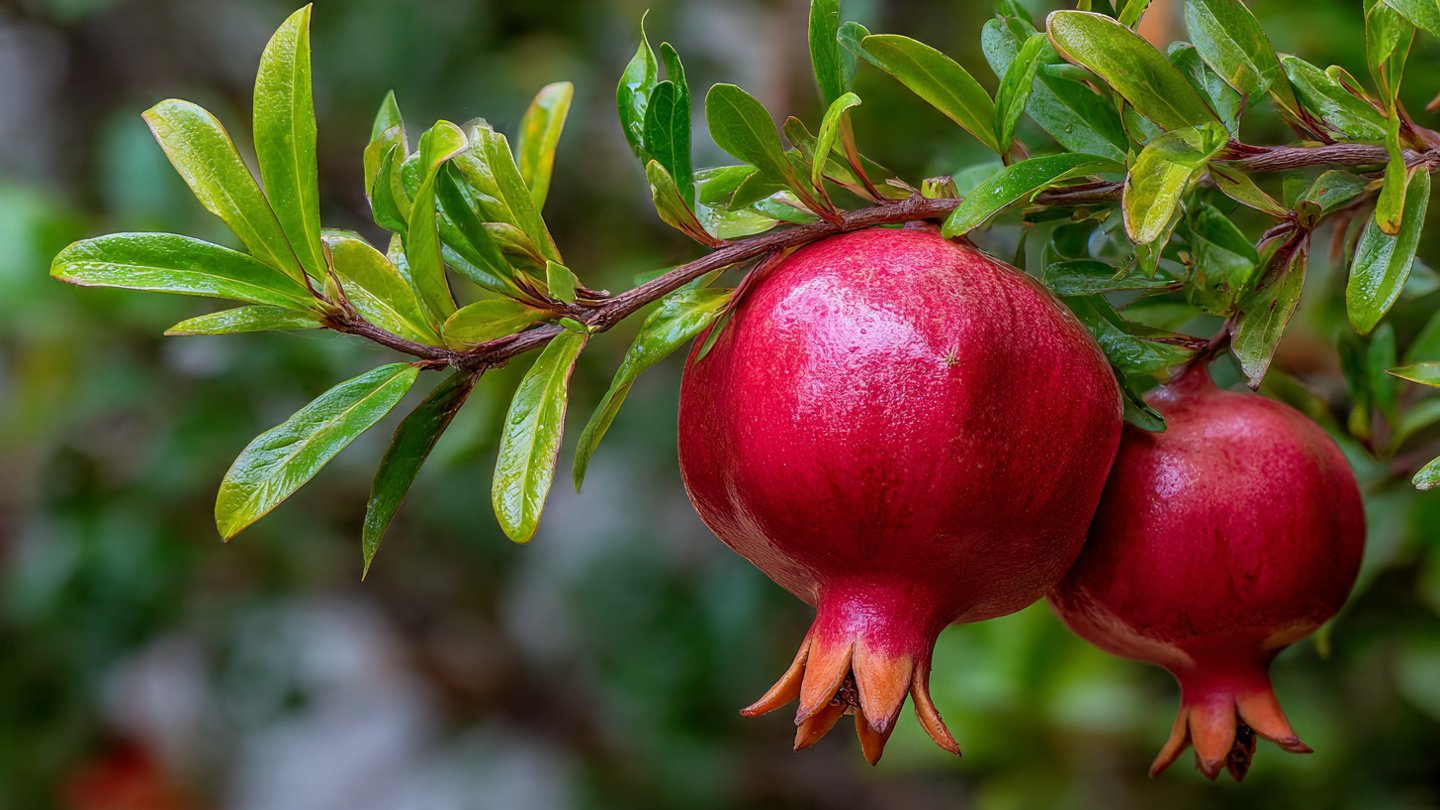
Pomegranate plants (Punica granatum) are not just celebrated for their delicious, jewel-like fruits; they also bring striking beauty to gardens with their vibrant flowers and lush green foliage. For avid gardeners and plant enthusiasts, propagating pomegranate plants from cuttings presents an exciting opportunity to expand their gardens or share plants with friends. In this comprehensive guide, we will explore the techniques, timelines, and best practices for successfully propagating pomegranate plants from cuttings.
Why Choose Propagation from Cuttings?
Propagation from cuttings offers several advantages:
-
Genetic Consistency: Cuttings yield plants that are genetically identical to the parent plant, ensuring that you get the same quality of fruit.
-
Cost-Effective: Instead of buying new plants, you can create multiple plants from just one, saving both money and resources.
-
Faster Results: While seed propagation can take longer to yield fruit-bearing plants, cuttings can produce mature plants within a year, given the right conditions.
Understanding the Pomegranate Plant
Before diving into propagation techniques, it’s essential to understand the nature of the pomegranate plant:
-
Climate: Pomegranates thrive in warm climates with plenty of sunlight, typically USDA Zones 7-10.
-
Soil Type: They prefer well-draining soil. Sandy or loamy soils enriched with organic matter are ideal.
-
Watering Needs: Although they are drought-tolerant once established, young pomegranate plants require regular watering during the initial growth phase.
Types of Cuttings for Propagation
There are three primary types of cuttings you can use for propagating pomegranate plants:
-
Softwood Cuttings: Taken from new growth in spring, softwood cuttings are the most effective type for pomegranates.
-
Semi-Hardwood Cuttings: Taken from partially matured stems in late summer; these can also be successful.
-
Hardwood Cuttings: Taken from mature, dormant wood in winter, these cuttings have a lower success rate.
Step-by-Step Guide to Propagating Pomegranate Plants from Cuttings
1. Gather Tools and Materials
Before you start, ensure you have the following items:
- Pruning Shears: For cutting healthy stems.
- Rooting Hormone: Optional but can enhance rooting success.
- Potting Mix: A blend of peat moss, perlite, and vermiculite works well.
- Containers: Small pots or trays that have drainage holes.
- Plastic Bag or Dome: To create humidity around the cuttings.
2. Selecting the Right Time
The best time to take cuttings is during early spring when new growth appears. This is when softwood cuttings are most viable. However, semi-hardwood cuttings can be taken in late summer.
3. Taking the Cuttings
-
Choose Healthy Stems: Look for healthy, green stems that are free from any signs of disease or pests. Avoid overly woody or older stems.
-
Make the Cut: Using clean pruning shears, cut the stem just below a node (the point from which leaves and buds grow). Aim for cuttings that are 6 to 8 inches long.
-
Remove Lower Leaves: Strip off the leaves from the lower half of the cutting to reduce moisture loss and prevent rot. Leave a few leaves at the top for photosynthesis.
4. Preparing the Cuttings
- Apply Rooting Hormone: Dip the cut end of the cutting into rooting hormone if you choose to use it. This can help promote root development.
5. Planting the Cuttings
-
Fill Containers: Fill your containers with the potting mix, leaving about an inch of space at the top. Moisten the soil slightly before planting.
-
Make Holes for Cuttings: Use a pencil or your finger to create holes in the soil. This prevents the rooting hormone from rubbing off when you insert the cuttings.
-
Insert Cuttings: Place the cuttings in the holes, ensuring that the cut ends are buried about 2-3 inches deep. Firm the soil around the base to keep it stable.
6. Maintaining Humidity
To promote rooting, cover the pots with a plastic bag or dome to retain humidity. Ensure that the plastic does not touch the leaves to avoid fungal issues.
7. Providing the Right Environment
-
Light: Place the containers in a warm, bright location with indirect sunlight. Avoid harsh, direct sunlight, which can scorch the cuttings.
-
Temperature: Maintain a consistent temperature between 70°F to 80°F (21°C to 27°C), as warmer temperatures can encourage rooting.
8. Watering Regimen
Keep the soil moist but never soggy. Water the cuttings carefully using a spray bottle or trough to avoid uprooting them. Monitor the moisture level regularly.
9. Monitoring Growth
Over the next few weeks, check the cuttings for root development:
-
Roots: Gently tug on the cuttings to check if there’s resistance, indicating the formation of roots.
-
Signs of growth: Healthy cuttings may start to develop new leaves within a few weeks.
10. Transplanting the Rooted Cuttings
Once the cuttings have developed a robust root system (usually within 4-8 weeks), it’s time to transplant them into larger pots or directly into the garden.
-
Choose an Appropriate Location: Ensure the transplant site has well-draining soil and receives full sun.
-
Prepare the Hole: Dig a hole that is slightly larger than the root ball of the cutting.
-
Transplant: Carefully remove the rooted cutting from its original container, taking care not to damage the roots. Place it in the hole and backfill with soil.
-
Water Thoroughly: Water the newly transplanted cuttings well to help them settle into their new environment.
11. Post-Transplant Care
-
Watering: Continue to water regularly but allow the soil to dry slightly between waterings.
-
Mulching: Apply organic mulch around the base to retain moisture and suppress weeds.
-
Pruning: As the plant grows, prune it to encourage bushier growth and improve air circulation.
FAQs
Q1: Can I propagate pomegranate cuttings in water?
Yes, some gardeners successfully propagate pomegranate cuttings in water. However, this method can be more challenging and may result in slower root development compared to using soil.
Q2: How long does it take for pomegranate cuttings to root?
Pomegranate cuttings usually take 4-8 weeks to develop an adequate root system.
Q3: Can I propagate pomegranate plants from seeds?
While it is possible to propagate pomegranates from seeds, the resulting plants may not be true to the parent plant. Seed-grown plants may take longer to fruit and exhibit different characteristics.
Q4: What type of soil is best for pomegranate cuttings?
A well-draining potting mix is ideal. A blend of peat, perlite, and vermiculite works well to provide the necessary drainage and moisture retention.
Q5: When is the best time to take cuttings?
The best time for taking softwood cuttings is in early spring. Semi-hardwood cuttings can be taken in late summer.
Q6: How can I tell if my cuttings are dying?
If your cuttings show signs of wilting, discoloration, or mold growth, they may be struggling. Check the moisture levels and adjust your care accordingly; it may be necessary to replace them.
Q7: Do pomegranate plants require a lot of water?
While pomegranate plants are drought-tolerant once established, young plants need regular watering to develop a strong root system.
Conclusion
Propagating pomegranate plants from cuttings is a rewarding process that allows gardeners to share this beautiful and fruitful plant with others. With the right techniques, tools, and environment, you can successfully grow new pomegranate plants that will thrive in your garden. Embrace the journey of propagation, and soon, you’ll be enjoying the luscious fruits of your labor!