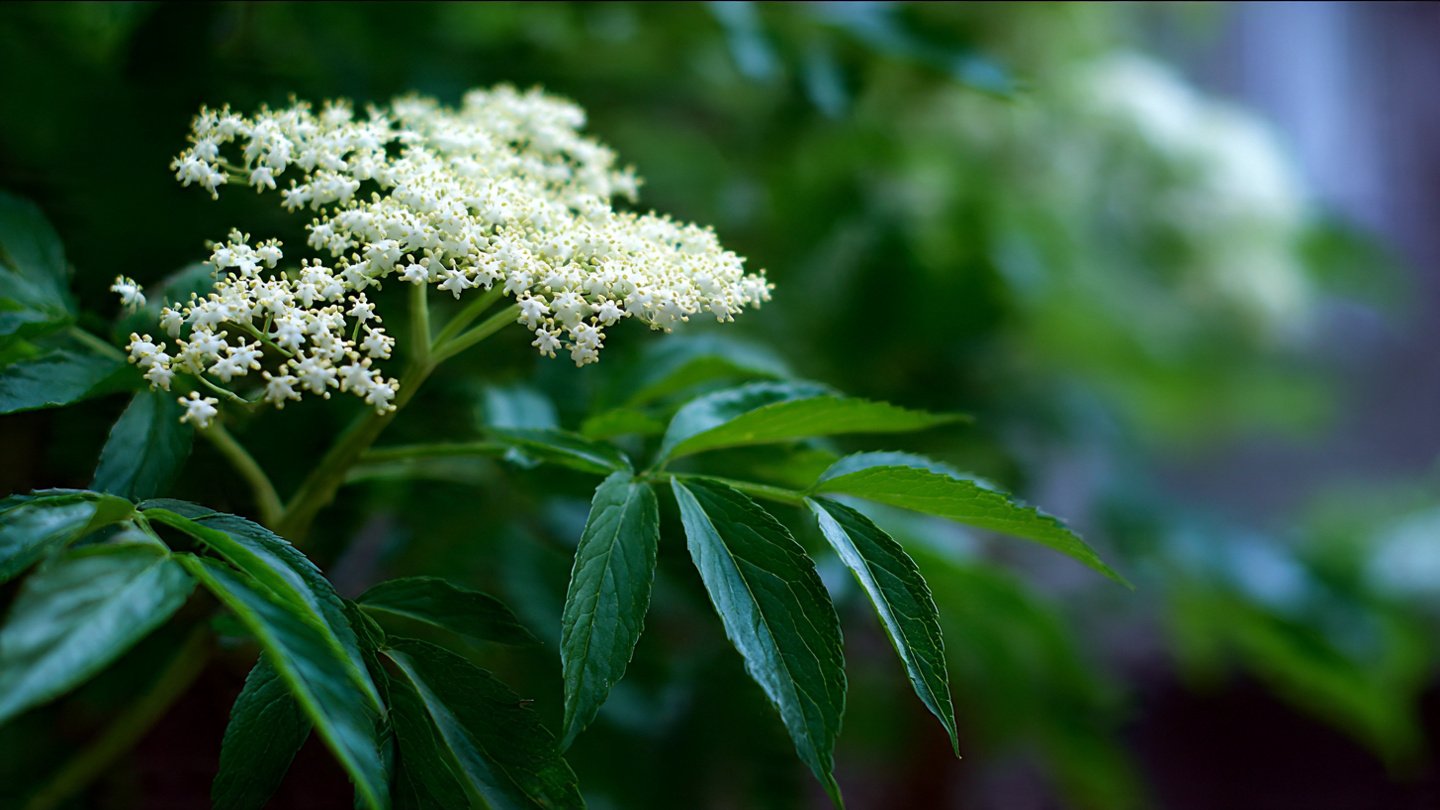
Elderberry, known scientifically as Sambucus, is a versatile and hardy shrub cherished for its beautiful flowers and nutritious berries. Not only does it have a rich history in traditional medicine, but it also offers culinary uses, making it a perfect addition to your garden. Growing elderberry from cuttings is a straightforward and efficient way to propagate this remarkable plant. In this article, we’ll outline the steps you need to take to successfully grow elderberry from cuttings at home, as well as address some frequently asked questions.
What You Will Need
Before starting the propagation process, gather the following materials:
- Healthy Elderberry Plants: Ensure that your source plant is healthy and disease-free.
- Sharp Pruning Shears: For clean cuts.
- Rooting Hormone (optional): This can promote faster root growth.
- Potting Soil: A well-draining soil mix is ideal.
- Containers/Pots: Choose small pots or trays for the cuttings.
- Plastic Bags or a Humidity Dome: To maintain humidity.
- Misting Bottle: To keep the cuttings moist.
Step-by-Step Guide to Growing Elderberry from Cuttings
1. Choose the Right Time for Cutting
The ideal time to take elderberry cuttings is during late spring or early summer when the plant is actively growing. This ensures that the cuttings have the best chance of rooting successfully.
2. Select Healthy Cuttings
Look for healthy, disease-free stems with a diameter of about 1/4 to 1/2 inch. The cuttings should be about 6-8 inches long and have at least three to four sets of leaves. Choose stems that are semi-hardwood; these are older stems that are partially woody but still flexible.
3. Make Clean Cuts
Using sharp pruning shears, make a clean cut just below a leaf node (the point where a leaf connects to the stem). Aim for a diagonal cut to maximize surface area for water absorption.
4. Prepare the Cuttings
Remove the lower leaves from your cuttings, leaving the top two or three leaves intact. This reduces moisture loss and directs the plant’s energy toward root development.
5. Apply Rooting Hormone (Optional)
If you choose to use rooting hormone, dip the cut end of the cutting into the hormone powder. This can promote root growth and increase your chances of success. However, many gardeners successfully propagate elderberry without it.
6. Prepare the Pots
Fill your containers with a well-draining potting mix. You can add perlite or vermiculite to enhance drainage, which is crucial for preventing rot in the cuttings.
7. Plant the Cuttings
Make a hole in the soil with a pencil or your finger, and insert the cutting about 2-3 inches deep. Gently firm the soil around the base of the cutting to eliminate air pockets.
8. Water the Cuttings
After planting, water the cuttings thoroughly. Ensure the soil is moist but not soggy. Overwatering can lead to root rot, so it’s important to find the right balance.
9. Create a Humid Environment
To maintain humidity, cover the pot with a plastic bag or place it under a humidity dome. This helps to retain moisture, which is essential for root development. If you’ve used a plastic bag, ensure it does not touch the leaves.
10. Provide Ideal Lighting Conditions
Place the pots in a location where they receive indirect sunlight. Too much direct sunlight can scorch the cuttings, while too little light can hinder growth.
11. Monitor and Maintain
Check the cuttings regularly to ensure the soil remains moist. Mist the cuttings daily if needed, especially in dry conditions. Remove any dying leaves to prevent mold.
12. Be Patient
Elderberry cuttings can take several weeks to develop roots. Check for root development by gently tugging on the cutting; resistance means roots are forming.
13. Transplanting
Once your cuttings have developed a healthy root system (usually in about 6-8 weeks), they can be transplanted into larger pots or directly into your garden. Choose a well-drained site with plenty of sunlight.
14. Care for Transplanted Elderberry
After transplanting, continue to care for your elderberry plants. They thrive in moist, well-drained soil and benefit from regular watering during dry spells. Fertilize once or twice during the growing season with a balanced fertilizer to encourage vigorous growth.
Common Varieties of Elderberry
While the method described above applies to several types of elderberry, here are a few commonly grown varieties:
- American Elderberry (Sambucus canadensis): This variety produces large clusters of purple berries that are great for making syrups and jams.
- European Elderberry (Sambucus nigra): Known for its medicinal properties, this elderberry has small black berries and is popular in herbal remedies.
- Black Lace Elderberry (Sambucus nigra ‘Black Lace’): This ornamental variety has deeply cut, dark purple foliage and pink flowers, making it an attractive option for gardens.
FAQs About Growing Elderberry from Cuttings
Q1: How long does it take for elderberry cuttings to root?
A: Generally, elderberry cuttings take about 6-8 weeks to root, but it can vary depending on environmental conditions.
Q2: Can elderberries be grown in containers?
A: Yes, elderberries can be grown in containers, provided the pot is large enough (at least 5 gallons) and has good drainage.
Q3: Do elderberries require a certain pH level in the soil?
A: Elderberries prefer soil with a pH level between 5.5 and 7.0. Testing your soil can help you adjust it if necessary.
Q4: What should I do if my cuttings are not rooting?
A: If your cuttings are not rooting, check for issues such as overwatering, lack of humidity, or too much direct sunlight. Adjust these conditions as needed.
Q5: Are elderberries safe to eat?
A: Yes, ripe elderberries are safe to eat, but raw berries, seeds, and other parts of the plant can be toxic and should be cooked before consumption. Always research proper preparation methods before using elderberries in food or medicine.
Q6: Can elderberry cuttings be taken in fall or winter?
A: While spring and summer are the best times for cuttings, hardwood cuttings can also be taken in late fall or winter, but they will need to be kept in a sheltered environment until spring.
Q7: How should I care for elderberries once they are established?
A: Once established, elderberries require regular watering, especially during dry spells. Prune to maintain shape and promote air circulation around the plant. Fertilize once or twice during the growing season to encourage healthy growth.
Conclusion
Growing elderberry from cuttings can be a rewarding gardening endeavor. Not only do you get to enjoy the fragrant flowers and delicious berries, but you also provide vital habitats for birds and pollinators in your garden. By following these easy steps, you can successfully propagate elderberry from cuttings at home. Happy gardening!