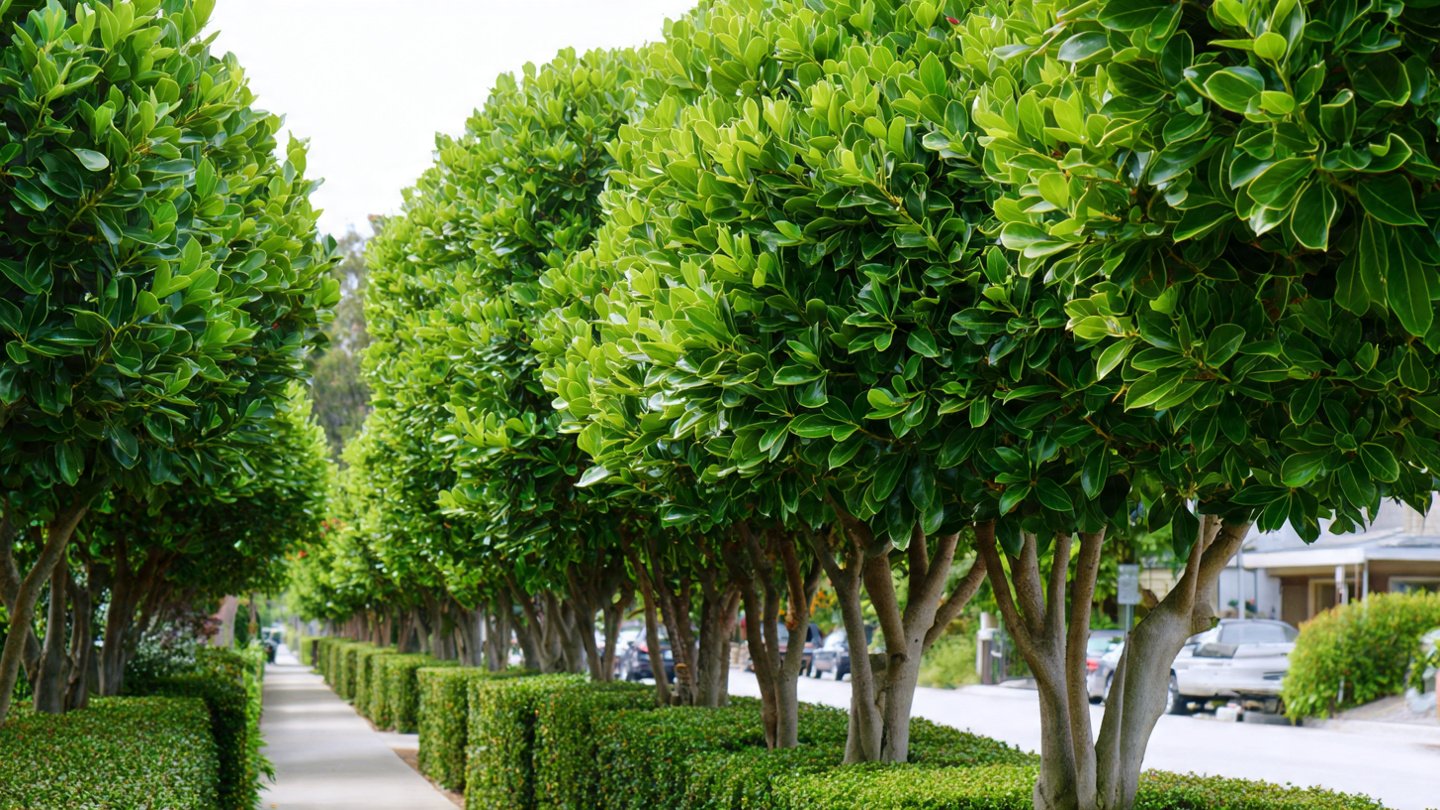
Ficus Benjamina, commonly known as the weeping fig, is a remarkable tropical tree that has gained popularity for its aesthetic qualities in landscape design. With its glossy leaves and graceful form, Ficus Benjamina can add a touch of elegance to both home gardens and commercial landscapes. If you’re considering incorporating this beautiful tree into your landscape, this comprehensive guide will walk you through the essential steps for growing Ficus Benjamina in landscape rows, ensuring a lush and visually appealing environment.
Understanding Ficus Benjamina
Before delving into the details of planting and care, let’s explore what makes Ficus Benjamina a desirable landscape choice.
Characteristics of Ficus Benjamina
- Height and Spread: Ficus Benjamina can grow up to 10-60 feet in height, depending on the species and growing conditions. Its spread can also vary, making it versatile for different landscape applications.
- Leaves: The tree showcases small, glossy, oval-shaped leaves that can range in color from deep green to variegated shades.
- Growth Rate: Ficus Benjamina is a fast-growing tree under optimal conditions, making it an excellent choice for those looking for quick greenery.
Appropriate Growing Zones
Ficus Benjamina is well-suited to USDA hardiness zones 10-12. It thrives in warm, humid climates but can also tolerate slight drought conditions. In areas that experience frost, it may be challenging to grow Ficus Benjamina outdoors year-round.
Preparing the Site
An essential first step in growing Ficus Benjamina in landscape rows is proper site preparation.
Selecting the Right Location
- Sunlight: Ficus Benjamina prefers bright, indirect sunlight. Full morning sun and partial afternoon shade are ideal for healthy growth.
- Soil Type: The tree flourishes in well-draining soil enriched with organic material. Loamy or sandy soils are preferable, but avoid heavy clay, which can impede root growth.
- Space: Plan for a minimum of 5-10 feet between each tree in a row to ensure adequate growth space and airflow, which helps prevent fungal diseases.
Site Preparation Steps
- Clear the Area: Remove any grass, weeds, and debris from the selected planting site.
- Test the Soil: Conduct a soil test to determine pH and nutrient levels. Ficus Benjamina prefers a pH level between 6 and 7.
- Amend the Soil: If necessary, amend the soil with compost or well-rotted manure to improve fertility and drainage.
Planting Ficus Benjamina
Choosing Healthy Specimens
When selecting Ficus Benjamina trees for planting, choose those with vibrant leaves and a robust stem. Inspect for pests or signs of disease, which can affect your landscape in the long run.
Planting Process
- Digging the Hole: Dig a hole that is twice as wide and just as deep as the root ball of the tree.
- Placement: Carefully place the Ficus Benjamina in the hole and ensure that the top of the root ball is level with the surrounding soil.
- Backfill: Fill the hole with a combination of native soil and organic matter. Firm the soil gently around the base of the tree to eliminate air pockets.
- Watering: Water the newly planted trees thoroughly to help settle the soil around the roots.
Care and Maintenance
Proper care during the growing process is necessary to maintain the health and appearance of Ficus Benjamina.
Watering
- Initial Phase: In the first few weeks after planting, water the trees regularly to promote root establishment.
- Ongoing: Once established, Ficus Benjamina prefers moist soil, but be cautious not to overwater. Allow the top inch of soil to dry out between watering sessions.
Fertilization
Fertilize Ficus Benjamina three times a year using a balanced fertilizer (10-10-10) during the growing season (spring and summer). Always follow the package instructions for dosage.
Pruning
Regular pruning is essential for maintaining the shape and size of your Ficus Benjamina.
- Timing: Prune during the late winter or early spring to encourage new growth.
- Technique: Remove dead or overly crowded branches and trim back excessive growth to maintain the desired height and form.
Pest and Disease Management
Ficus Benjamina is generally pest-resistant, but it can be susceptible to pests like spider mites and scale insects.
- Identification: Regularly inspect your trees for signs of infestations, such as speckled leaves or sticky residue.
- Control: Use insecticidal soap or neem oil for treatment, making sure to follow the instructions carefully.
Landscape Design Tips
Integrating Ficus Benjamina into your landscape design can create a stunning visual effect.
Designing Rows
- Curved Rows: Consider planting Ficus Benjamina in curved rows rather than straight lines. This can create a more natural and appealing appearance.
- Layering: To add depth, plant taller Ficus Benjamina towards the back and shorter flowering or shrub species in front.
- Seasonal Interest: Combine them with seasonal flowering plants or ground covers to maintain visual interest throughout the year.
Companion Planting
Ficus Benjamina can be harmoniously paired with other plants, including:
- Palms: To enhance the tropical feel of your landscape.
- Ornamental Grasses: For texture contrast.
- Flowering Shrubs: Such as hibiscus or bougainvillea for added color.
Conclusion
Incorporating Ficus Benjamina into your landscape design offers an opportunity to create a lush, tropical environment that is visually stunning. With the right site preparation, care, and maintenance, this graceful tree can thrive in your garden or landscape rows, enhancing its beauty for years to come.
FAQs
1. Can Ficus Benjamina be grown indoors?
Yes, Ficus Benjamina can be grown indoors as a houseplant, thriving in bright, indirect light. Ensure to rotate the plant frequently for even growth.
2. How often should I prune my Ficus Benjamina?
You should prune Ficus Benjamina once a year, preferably in late winter or early spring, to maintain its shape and size.
3. What are the best companion plants for Ficus Benjamina?
Palms, ornamental grasses, and colorful flowering shrubs work well as companions, enhancing the overall aesthetic of your landscape.
4. How do I know if my Ficus Benjamina is overwatered?
Signs of overwatering include yellowing leaves, leaf drop, and a general wilting appearance. Ensure the soil is well-drained.
5. Is Ficus Benjamina toxic to pets?
Ficus Benjamina is mildly toxic to pets if ingested, causing gastrointestinal discomfort. It’s best to place them out of reach of pets.
This guide should serve as a solid foundation for cultivating Ficus Benjamina in your landscape, ensuring a lush and attractive setting for your outdoor space. Happy planting!