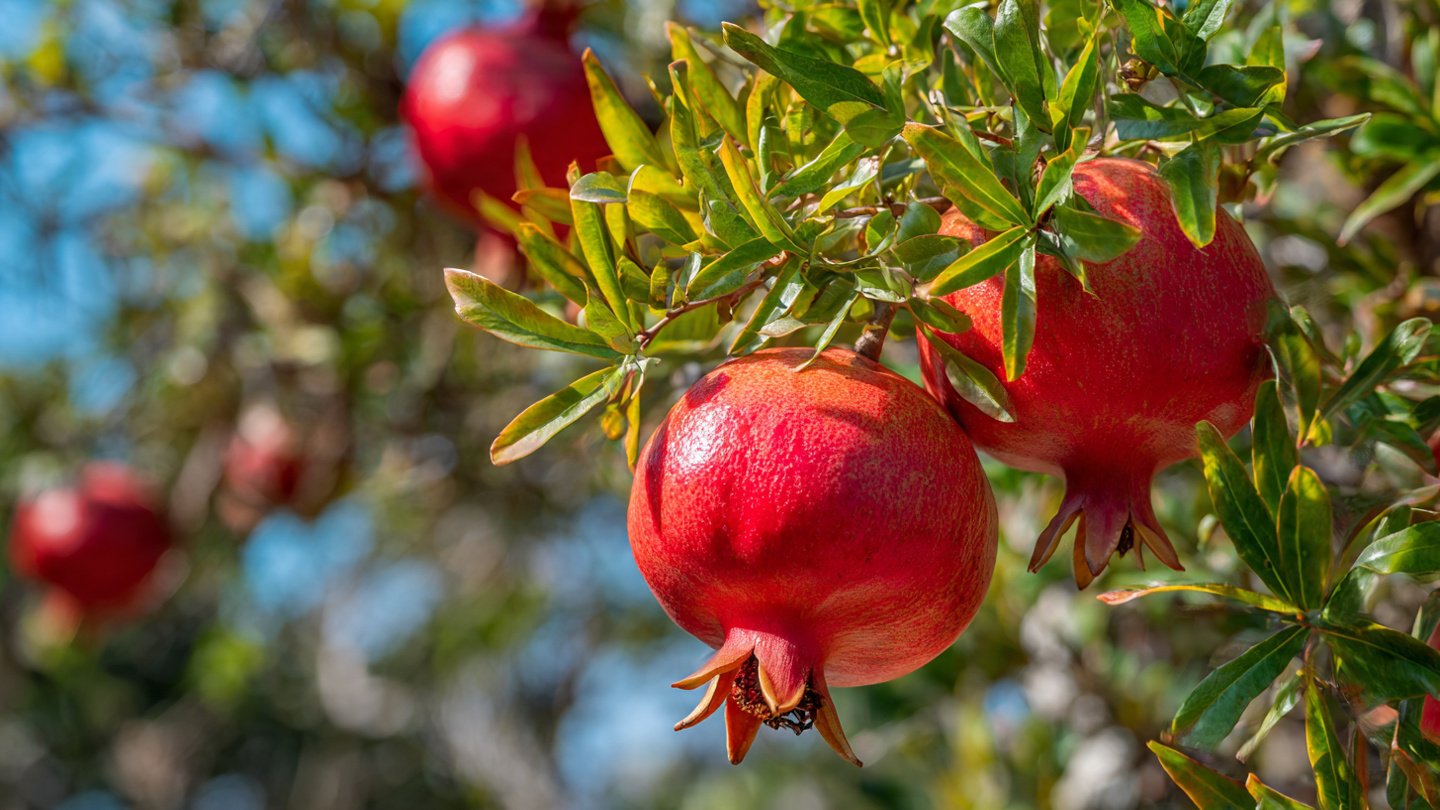
Pomegranates, with their striking red fruits and intricate seeds, are not just beautiful additions to gardens but also boast a plethora of health benefits. However, to cultivate a healthy pomegranate tree and yield a bountiful harvest, proper pruning is essential. This guide aims to provide you with a comprehensive understanding of pomegranate pruning techniques, ensuring optimal growth and maximum fruit production.
The Importance of Pruning
Pruning is a vital agricultural practice that influences the growth, health, and productivity of fruit trees, including pomegranates. Here are several benefits of pruning:
-
Improved Air Circulation: By removing crowded branches, you enhance airflow, reducing the likelihood of diseases.
-
Enhanced Sunlight Exposure: Pruning ensures that sunlight penetrates through to all parts of the tree, promoting even growth and ripening of fruits.
-
Increased Fruit Quality: Pruned trees tend to produce larger, healthier, and better-quality fruits.
-
Encouragement of New Growth: Regular pruning stimulates the growth of new branches that will bear fruit.
-
Shape Maintenance: Proper pruning helps maintain an aesthetically pleasing shape and structure, making it easier to harvest fruits.
When to Prune Pomegranate Trees
Timing is crucial for effective pruning. The best time to prune pomegranate trees is during their dormant phase, typically late winter or early spring just before new growth begins. Avoid pruning in the fall, as this can stimulate new growth that won’t have time to harden off before the cold.
Pruning Techniques for Pomegranates
Understanding various pruning techniques is essential for positive outcomes. Here are some methods to consider:
1. Thinning Cuts
Thinning cuts involve removing entire branches back to the main trunk or a primary branch. This technique is effective for:
- Reducing overcrowding, allowing more sunlight and air into the tree.
- Removing unhealthy or damaged branches.
Tip: Aim to maintain a balanced shape that encourages a spread-out canopy.
2. Heading Cuts
Heading cuts involve shortening a branch back to a bud. This is particularly useful for:
- Encouraging new growth and fruit production.
- Shaping the tree and maintaining its height.
Tip: Make cuts just above a bud faced in the direction you want the new growth to head.
3. Renewal Pruning
This technique is beneficial for older pomegranate trees. It involves cutting back older branches entirely to encourage new growth. To perform renewal pruning:
- Identify the oldest and least productive branches.
- Remove these branches near the base to stimulate vigorous new growth.
Tip: Only prune 30-40% of old growth at a time to avoid stressing the tree.
Pruning for Different Growth Stages
Pomegranate trees require different approaches to pruning based on their age and growth stage.
Young Trees (1-3 Years)
In the early stages, focus on establishing a sturdy framework:
- First Year: Allow the tree to grow freely. In late winter, select 3-4 strong branches to form the primary structure and remove any weak or competing ones.
- Second Year: Continue developing the shape, pruning back about one-third of new growth. This encourages bushiness.
Mature Trees (4+ Years)
Once the tree reaches maturity, the focus shifts to maintenance:
- Annual Pruning: Remove dead or diseased wood, thin out crowded areas, and cut back some older branches to encourage new growth. Aim for about 30% of the tree to be pruned each year.
Tools for Pruning
Using the right tools is essential for effective and safe pruning. Here are some necessary tools:
- Pruning Shears: Ideal for small branches and precise cuts.
- Loppers: Suitable for larger branches that may be difficult to cut with shears.
- Pruning Saw: Useful for thicker branches.
- Gloves: To protect your hands from thorny branches.
- Ladder: In case your pomegranate tree has become quite tall.
Techniques for Pruning in Specific Environments
The environmental context can also influence pruning techniques. We’ll discuss how to adjust your approach based on climate and growth environment.
Dry Climates
In arid environments, focus on:
- Encouraging deeper root systems through strategic pruning.
- Reducing the tree’s canopy to minimize water loss.
Humid Climates
In humid regions, your focus should be on:
- Enhancing air circulation to prevent fungal diseases.
- Avoiding overly dense growth that traps moisture.
Common Mistakes to Avoid
-
Over-Pruning: While pruning is essential, excessive cutting can stress the tree, causing reduced yields.
-
Ignoring Tree Health: Always assess the health of branches before making cuts. Diseased or damaged branches should be removed, but healthy growth should be preserved.
-
Improper Timing: Pruning too late in the season can lead to dieback or reduced fruiting. Always aim to prune in early spring.
-
Neglecting Cleaning Tools: Dull or dirty pruning tools can spread disease. Make sure to disinfect your tools between cuts, especially when cutting diseased wood.
Harvesting Implications
Effective pruning not only aids in growth but can also impact your harvesting schedule. Understanding the relationship between pruning and harvest can lead to a more fruitful season.
-
Ripening: Pruned trees typically produce fruits that ripen simultaneously, making harvest easier.
-
Fruit Size: Pruning aids in concentrating resources in fewer fruits, resulting in larger, more flavorful pomegranates.
Frequently Asked Questions (FAQs)
Q1: How often should I prune my pomegranate tree?
A1: Annual pruning is recommended, particularly in late winter or early spring, to ensure healthy growth and fruit production.
Q2: Can I prune my pomegranate tree in the summer?
A2: Summer pruning is not advisable as it can stress the tree and interfere with fruit set. Stick to late winter or early spring.
Q3: How do I know if a branch needs to be removed?
A3: Look for branches that are dead, diseased, or growing inwards towards the center of the tree. These should be pruned to maintain tree health.
Q4: Will pruning my tree immediately increase fruit production?
A4: While pruning creates a better structure and encourages growth, it may take a couple of seasons for the effects to reflect in fruit production.
Q5: Should I apply fertilizer after pruning?
A5: Yes, applying a balanced fertilizer after pruning can help support new growth and enhance fruit yield.
In conclusion, mastering the art of pomegranate pruning can lead to healthier trees and better yields. By understanding the timing, techniques, and best practices involved, you can create a thriving environment for your pomegranate trees. Happy pruning!