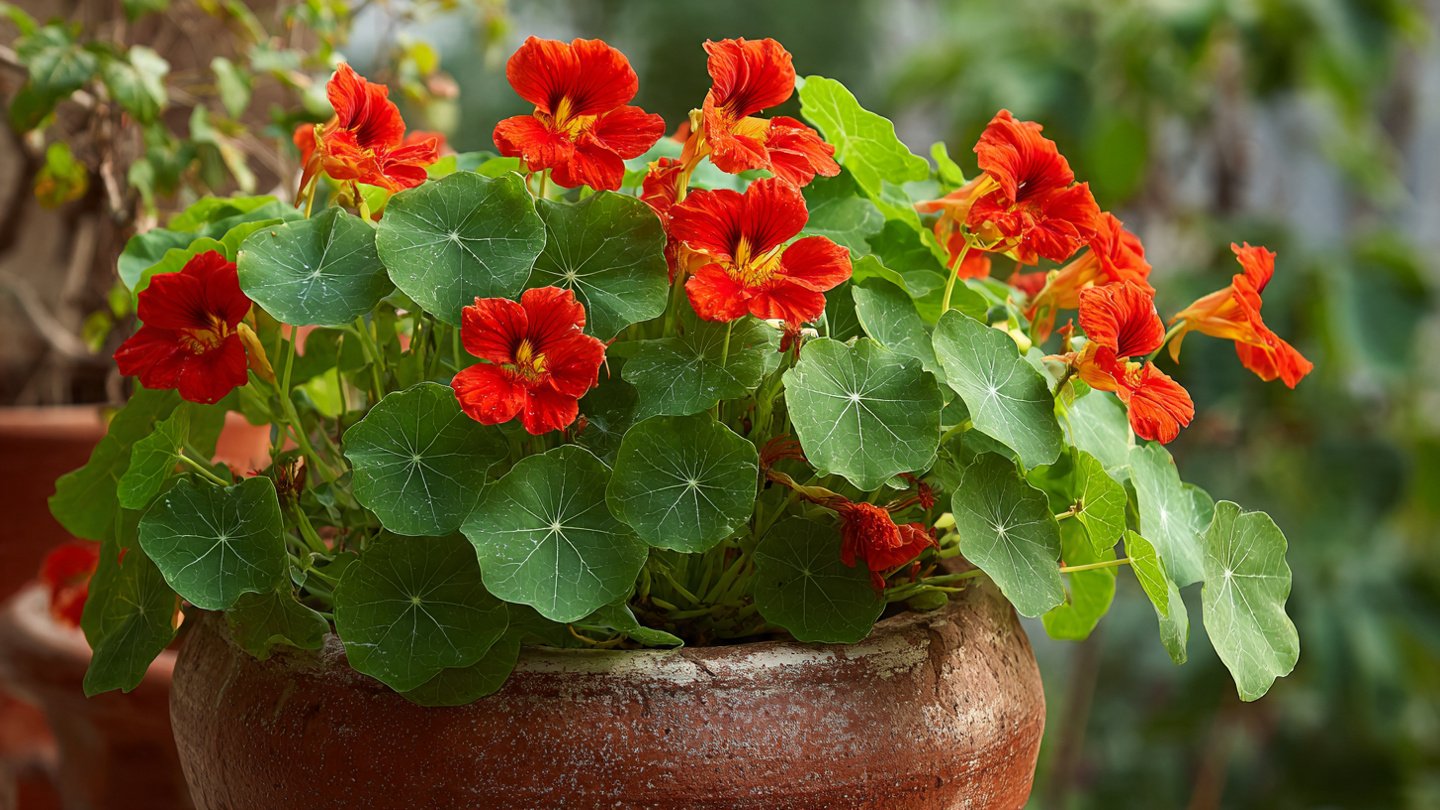
Nasturtiums are vibrant, hardy plants that are perfect for pot culture, making them an excellent choice for both novice and seasoned gardeners. With their striking flowers and lush foliage, nasturtiums not only enhance your garden but can also be enjoyed in salads and various culinary dishes. If you’re looking to create a stunning display of these beautiful blooms in pots, this guide will walk you through the straightforward steps required for successful cultivation.
Why Choose Nasturtiums?
Before diving into the how-tos, let’s explore why nasturtiums are a great option for pot gardening:
- Easy to Grow: Nasturtiums are forgiving plants that thrive even with minimal care.
- Self-Seeding: These plants often return year after year, making them a low-maintenance choice.
- Edible Flowers: Both the leaves and flowers are edible, adding a peppery flavor to salads and garnishes.
- Pest Deterrent: Nasturtiums can deter aphids and other garden pests—planting them can be beneficial for your overall garden health.
Choosing the Right Pot
Size Matters
For nasturtiums, select a pot that is at least 12 inches in diameter and 10-12 inches deep. This size accommodates the root system comfortably and provides enough room for growth. You can opt for larger pots if you’re planting several seedlings or allowing them to sprawl.
Material Considerations
Pots made of terracotta, ceramic, or plastic are all viable options. Terracotta offers excellent breathability for the roots, while plastic is lightweight and can retain moisture effectively. Make sure your pot has drainage holes to prevent waterlogging.
Soil Selection
Nasturtiums flourish in well-draining soil rich in organic matter. Here are some soil types that are great for pot cultivation:
- Potting Mix: A good-quality potting mix usually contains peat, perlite, or vermiculite. This will provide a balanced medium with good aeration.
- Compost: Mixing in compost can enrich the soil with nutrients, fostering healthy growth.
- pH Level: Aim for a soil pH of 6.0 to 7.0; it should be slightly acidic to neutral for optimal growth.
Planting Nasturtiums
Selecting Seeds or Seedlings
You can choose to grow nasturtiums from seeds or purchase seedlings. Starting from seeds is cost-effective, while seedlings provide an instant splash of color.
- Seeds: Choose a variety suited for pots, such as ‘Jewel Mix’ or ‘Alaska.’
- Seedlings: If you opt for seedlings, look for healthy plants free from pests and issues.
Sowing Seeds
- Timing: Start sowing seeds indoors 4-6 weeks before the last frost date or directly outdoors after the threat of frost has passed.
- Sowing Depth: Plant seeds about 1 inch deep and cover lightly with soil.
- Spacing: Space seeds or seedlings approximately 10-12 inches apart to allow for full growth.
Watering
After planting, water the pots thoroughly, ensuring that the soil is evenly moist. Overwatering can lead to root rot, so allow the top inch of soil to dry out between watering. Nasturtiums prefer slightly dry conditions over soggy soil.
Light Requirements
Nasturtiums thrive in full sun but can tolerate partial shade. Ideally, they should receive 6-8 hours of sunlight a day. If you live in a very hot climate, providing some afternoon shade can help prevent wilting.
Fertilization
Nasturtiums generally do not require much fertilization. Too much nitrogen can result in lush foliage at the expense of flowers. If you choose to fertilize, use a balanced, water-soluble fertilizer diluted to half strength once every four to six weeks during the growing season.
Pruning and Maintenance
Deadheading
Regularly deadheading spent flowers encourages more blooms and keeps the plant tidy. Simply pinch off faded flowers at their stems.
Watering Routine
Monitor your pots for moisture levels. A good rule of thumb is to water deeply when the top inch of soil is dry. Be mindful of changes in weather conditions—hot, dry periods may require more frequent watering.
Pest and Disease Management
While nasturtiums are relatively pest-resistant, they can attract aphids, spider mites, and whiteflies. Combat these pests with:
- Neem Oil: A natural insecticide that is effective against many pests.
- Soap Spray: A mixture of water and mild soap can deter insect infestations.
Harvesting
If you plan to use nasturtiums in cooking, begin harvesting once the flowers and leaves are fully developed. Pick flowers early in the morning when they’re fresh; leaves can be harvested any time. Always rinse them thoroughly before use.
Common Issues and Solutions
- Yellowing Leaves: This can be a sign of overwatering or nutrient deficiency. Allow the soil to dry and check the pH level.
- Stunted Growth: If your nasturtiums aren’t growing well, check for pests and ensure they’re getting enough sunlight.
Winter Care for Nasturtiums
In areas with frost or heavy winters, nasturtiums can be treated as annuals. If you want to preserve your plants, you can bring pots indoors or cover them with mulch to protect their roots. Alternatively, you can collect seeds from mature plants to replant in the next growing season.
FAQs
1. How long does it take for nasturtium seeds to germinate?
Nasturtium seeds typically germinate within 7 to 14 days.
2. Can I grow nasturtiums indoors?
Yes, indoors is possible as long as they receive adequate sunlight. Consider using grow lights if natural light is insufficient.
3. What are the best companions for nasturtiums?
Nasturtiums do well with beans, cabbage, and cucumbers. However, avoid planting them near radar or other cruciferous vegetables to reduce pest attraction.
4. Can I use nasturtiums in salads?
Absolutely! Both the flowers and leaves add a delightful peppery flavor to salads and can be used as garnishes.
5. How often should I water nasturtiums in pots?
Water when the top inch of soil is dry, usually about once or twice a week, depending on your climate.
6. What are the common pests that affect nasturtiums?
Common pests include aphids, spider mites, and whiteflies. Regular monitoring can help prevent infestations.
7. Are nasturtiums perennials or annuals?
Nasturtiums are generally grown as annuals but can be treated as perennials in warmer climates with suitable conditions.
8. Can nasturtiums attract beneficial insects?
Yes! Nasturtiums are known to attract pollinators and beneficial insects, which can help maintain a healthy garden ecosystem.
Final Thoughts
Growing nasturtiums in pots is a delightful endeavor that can brighten up any space with minimal effort. With their vibrant colors and unique culinary uses, these flowers are not just visually appealing but also contribute to the biodiversity and health of your garden. Follow the steps outlined above, and you’ll be well on your way to cultivating a beautiful and flourishing pot of nasturtiums!