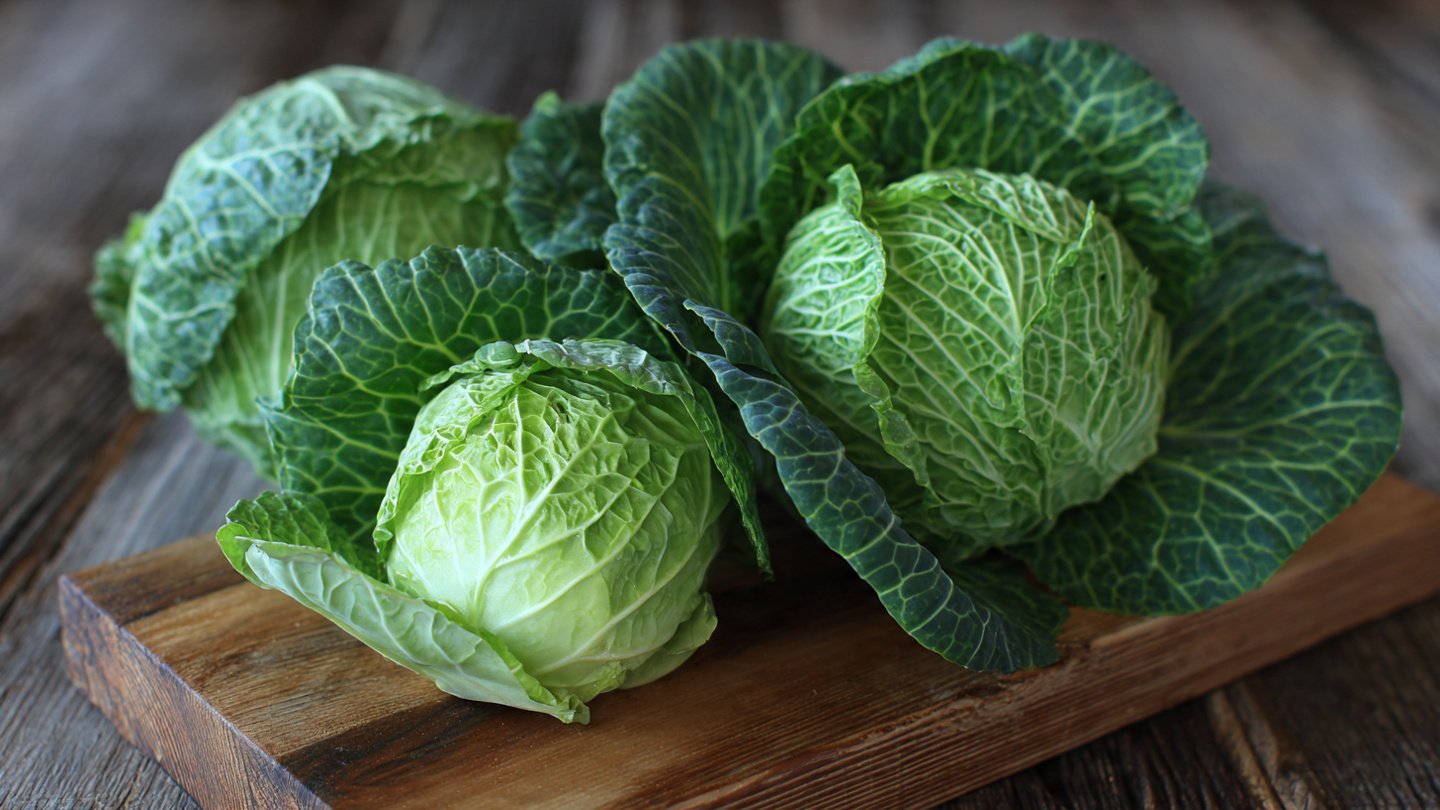
Cabbage is a nutritious and versatile vegetable, commonly found in salads, soups, and various cuisines worldwide. However, one of the most significant challenges that gardeners face when growing cabbage is ensuring that the heads do not split. Splitting can happen due to various factors, leading to disappointment for those who put in the effort to cultivate this leafy green. Luckily, there are effective strategies to help you grow perfect cabbage heads, free from splitting. This article will guide you through understanding the causes of cabbage splitting, effective cultivation methods, and tips for maintaining healthy cabbage plants.
Understanding Cabbage Splitting
Cabbage splitting can occur due to several reasons:
-
Water Stress: One of the primary causes of cabbage splitting is inconsistent watering. Cabbage heads grow quickly and require a steady supply of moisture. When plants experience drought followed by heavy rainfall or excessive watering, it can cause rapid expansion and subsequent splitting.
-
Nutrient Imbalance: Over-fertilizing, especially with nitrogen, can lead to softer, larger cabbage heads that are more prone to splitting. It’s crucial to strike a balance in the nutrients you provide.
-
Pest Infestation: Insects such as aphids and cabbage worms can stress the plant, impacting its ability to grow correctly and leaving it vulnerable to splitting.
-
Disease Issues: Certain diseases can weaken the plant, affecting the way it holds together as the cabbage head matures.
-
Environmental Factors: Sudden temperature changes can stress the plant. These can occur due to early frost or intense heat.
Preparing for Planting
The key to cultivating perfect cabbage begins before you even plant your seeds. Here are several steps to take:
Choosing the Right Variety
Different cabbage varieties have varying allegiances to splitting. If you want to avoid this problem, consider opting for varieties that are known for their durability and resistance to splitting, such as:
-
Savoy Cabbage: This variety features crinkly leaves and is more resistant to splitting compared to other types.
-
Early Jersey Wakefield: A pointed variety that matures quickly and tends to be less prone to splitting.
-
Advanced Hybrids: Many hybrid varieties have been bred to resist splitting and bolting while ensuring high yields and disease resistance.
Soil Preparation
The right soil conditions can significantly impact the growth of your cabbage plants. Here are some critical aspects to consider:
-
Soil Texture: Cabbage thrives in loamy, well-drained soil. Aim for a soil texture that holds moisture but drains excess water efficiently.
-
Soil pH: Cabbage prefers soil that is slightly acidic to neutral (pH 6.0 to 7.5). Conduct a soil test to ensure your soil falls within this range.
-
Nutrient Enrichment: Incorporate organic matter, such as compost or aged manure, into the soil to improve fertility. This will help maintain an even nutrient supply as the cabbages grow.
Planting Cabbage
Once you’ve prepared the seeds and soil, it’s time to plant.
Direct Seeding vs. Transplants
You can either direct seed your cabbage or use transplants. Here’s a breakdown:
-
Direct Seeding: Sow seeds ¼ to ½ inch deep in early spring. Follow the spacing guideline on the seed packet or space them about 12 to 24 inches apart.
-
Transplants: Starting seeds indoors can give your plants a head start. Once seedlings reach 3 to 4 inches in height and have their true leaves, transplant them outdoors in a prepared garden bed.
Watering Techniques
Watering consistently is one of the most crucial aspects of preventing cabbage splitting.
Establishing a Routine
-
Frequency: Water deeply at least once a week, and increase this frequency during hot, dry spells. The soil should remain evenly moist but not waterlogged.
-
Mulching: A layer of mulch around your cabbage plants can help retain moisture, regulate soil temperature, and suppress weeds.
Fertilization Practices
Proper fertilization is essential for promoting robust growth while avoiding excess nitrogen, which can lead to splitting.
-
Balanced Fertilizers: Use a balanced fertilizer that provides nitrogen, phosphorus, and potassium in equal amounts. A general 10-10-10 or similar blend works well.
-
Timing: Fertilize during the mid-growing stage when the plants are actively developing their heads. Avoid heavy application shortly before harvest.
Pest and Disease Management
Keeping your cabbage plants healthy is vital for preventing stress and splitting. Here are some tips:
-
Regular Inspection: Look for signs of pests and diseases. Early detection can help control infestations before they impact your plants adversely.
-
Natural Remedies: Use insecticidal soap or neem oil for pest control. Introducing beneficial insects, like ladybugs, can also manage pest populations.
-
Crop Rotation: Rotating your cabbage with other crops each year can minimize disease risk and pest buildup.
Harvesting Cabbage Correctly
When your cabbages are ready to be harvested, do so with care.
-
Timing: Harvest heads when they are firm and solid, before they reach full maturity to avoid splitting. Check the variety’s suggested harvest time.
-
Cutting: Cut cabbage heads cleanly with a sharp knife, leaving some of the outer leaves intact. This will help protect the head and reduce moisture loss.
Troubleshooting Cabbage Splitting
Even the best care cannot eliminate all risks. If you experience splitting despite your best efforts, it’s essential to understand how to minimize the damage:
-
Partial Harvest: If splitting occurs, you can still salvage parts of the cabbage. Cut away the split areas and enjoy the rest.
-
Immediate Use: Use split cabbages quickly to avoid decay or insect infestation.
-
Feed Used Cabbages to Livestock: If you have animals, they’ll likely enjoy the split cabbages without the risk of spoilage.
FAQs
Q1: What is the best time to plant cabbage in my area?
A1: Cabbage is a cool-season crop and can typically be planted in early spring or late summer. Check your local frost dates to determine the best time for planting.
Q2: How can I tell if my cabbage is ready to harvest?
A2: Harvesting is best done when the heads feel firm and solid. You can also refer to the seed packet for specific maturity times based on the variety.
Q3: What should I do if my cabbage starts to bolt?
A3: Bolting (when a plant flowers prematurely) can happen due to stress. If this occurs, it’s best to remove the plant to avoid wasting resources on a crop unlikely to produce desirable yields.
Q4: Are there companion plants that help prevent cabbage pests?
A4: Yes! Planting herbs like dill or flowers like marigolds can deter pests. Additionally, planting crops like garlic can reduce pest populations.
Q5: How can I repair soil that has become compacted?
A5: Incorporate organic matter into the soil and use tools like a garden fork to aerate it. Adding compost can improve soil structure and enhance drainage.
Conclusion
Cultivating perfect cabbage heads free from splitting is an achievable goal with the right approach. Employing proper planting methods, maintaining consistent moisture levels, and being mindful of fertilization and pest management will significantly decrease your chances of splitting. With patience and care, you can enjoy a bountiful harvest of crisp, flavorful cabbages—an excellent addition to your kitchen and garden. Happy gardening!