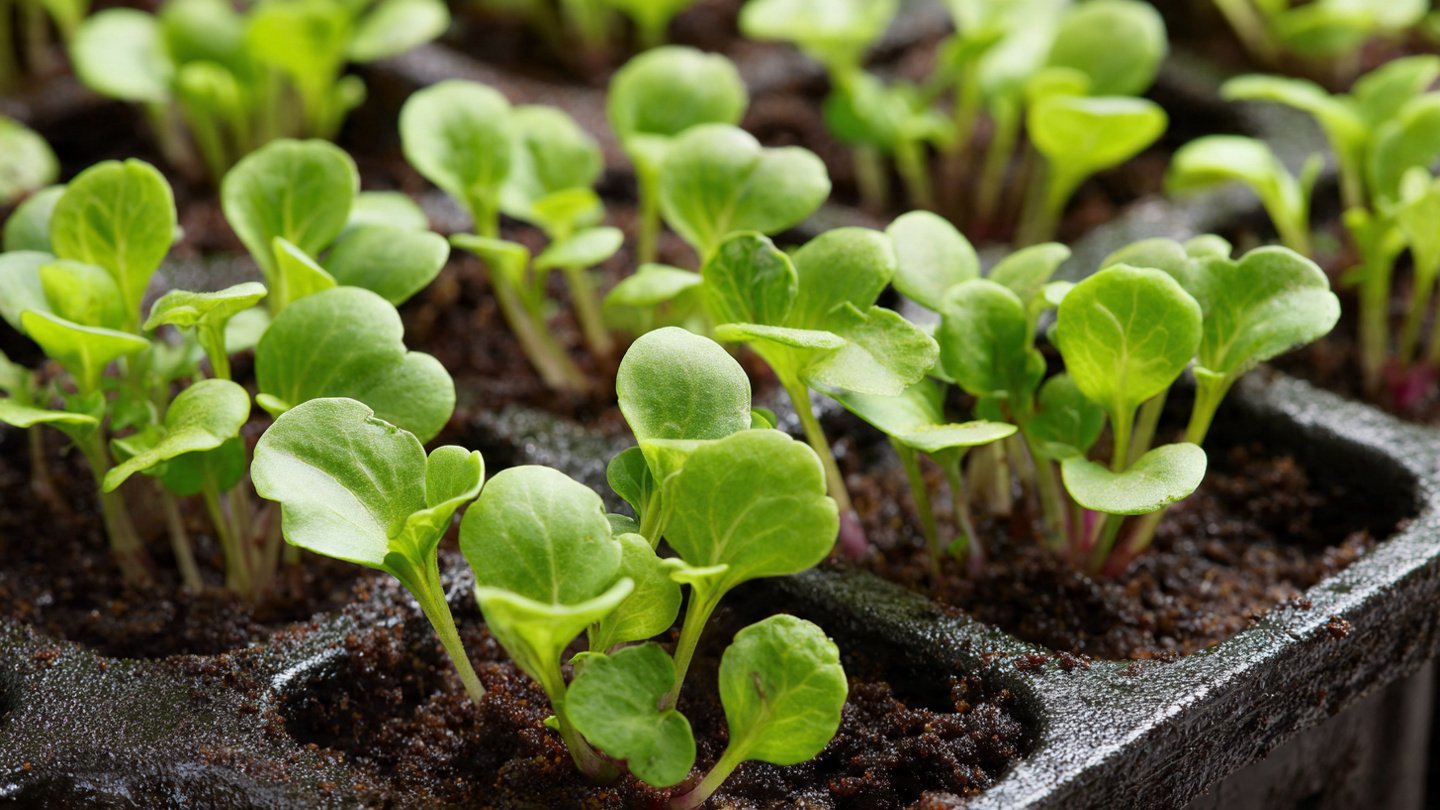
Growing your own food at home is becoming increasingly popular for numerous reasons, including the joy of gardening, the opportunity to enjoy fresh produce, and the chance to cultivate your own indoor or outdoor oasis. One of the easiest and fastest crops to grow is radish greens. Not only do they add greenery to your garden or window sill, but they are also nutritious and delicious. This article will guide you through the essential steps to grow radish greens in trays at home, complete with tips, tricks, and a FAQ section to help you on your journey.
Understanding Radish Greens
Radish greens are the leafy tops of radish plants. Often overlooked, these greens are edible and can be used in a variety of dishes. They are rich in vitamins A, C, and K, as well as antioxidants and minerals. Radish greens have a slightly peppery flavor, similar to arugula, making them a fantastic addition to salads, pestos, soups, and stir-fries.
Benefits of Growing Radish Greens
- Quick Growth: Radish greens sprout in just a week and are ready for harvest within three to four weeks.
- Nutrient-Rich: They offer a nutritional punch, packed with vitamins and minerals.
- Low Maintenance: Radish greens require minimal care, making them ideal for beginner gardeners.
- Space-Efficient: Perfect for small spaces, you can grow them indoors on a windowsill or outdoors in a garden tray.
Materials Needed
Before you start growing radish greens, gather the following materials:
- Tray/Container: Shallow trays or containers with drainage holes.
- Potting Soil: High-quality potting mix for optimal growth.
- Radish Seeds: Choose a variety suited for greens, such as “French Breakfast” or “Daikon.”
- Watering Can: For keeping the soil moist.
- Plastic Wrap or Dome (optional): To create a humid environment for germination.
- Sunlight: A sunny windowsill or outdoor space where the trays can receive about 6 hours of sunlight daily.
Step-by-Step Growing Guide
Step 1: Prepare the Tray
- Choose Your Container: Select a shallow tray with a depth of at least 2-3 inches.
- Fill with Soil: Fill the tray with potting soil, leaving about an inch of space at the top.
- Level the Soil: Use your hands or a flat tool to level the surface, ensuring a smooth planting area.
Step 2: Sow the Seeds
- Sprinkle Seeds: Take your radish seeds and sprinkle them evenly over the soil surface. Aim for a density where seeds are a couple of inches apart.
- Cover Lightly: Gently sprinkle a thin layer of soil over the seeds (about ¼ inch).
- Water Carefully: Use a watering can to moisten the soil without washing away the seeds. Ensure the soil is moist but not soggy.
Step 3: Create the Ideal Environment
- Cover the Tray: If you want to create a humid environment, cover the tray with plastic wrap or a dome. This step helps retain moisture and speeds up germination.
- Place in a Warm Location: Keep the tray in a warm area with a temperature of around 65-75°F (18-24°C).
Step 4: Watering and Care
- Monitor Moisture Levels: Check the soil daily. If it feels dry, give it a light watering. Avoid overwatering, which can lead to root rot.
- Remove Cover: Once seeds have germinated (after about 3-7 days), remove the plastic cover to allow for airflow.
Step 5: Thinning
As radish greens begin to grow, you may notice overcrowding. Thin them out by cutting the weaker seedlings at the soil line, leaving stronger ones to grow. This step ensures that the plants have enough space to thrive.
Step 6: Harvesting
- Timing: Radish greens are usually ready for harvest about 3-4 weeks after planting when they are about 4-6 inches tall.
- Cut Carefully: Use scissors to snip off the leaves, ensuring not to uproot the plants if you wish to continue growing them.
Step 7: Enjoying Your Harvest
Radish greens can be used fresh in salads, blended into smoothies, sautéed, or added to soups for extra flavor. The versatility of these greens allows you to incorporate them into a plethora of dishes!
Tips for Success
- Sunlight: Ensure that your radish greens receive adequate sunlight, as they thrive with about 6 hours of direct sunlight daily.
- Rotate Plants: If you enjoy continuous harvesting, stagger your planting every couple of weeks for a constant supply of greens.
- Watch for Pests: Though radish greens are generally resistant to pests, watch out for aphids or other small insects. If you see any, wash them off with water or use insecticidal soap.
Common Challenges and Solutions
- Slow Growth: If your radish greens seem to grow slowly, ensure they are getting enough light and are not overwatered.
- Yellowing Leaves: This may indicate overwatering or nutrient deficiency. Adjust your watering schedule and consider adding compost to the soil.
- Pests: If you see pests, organic insecticides or natural remedies like neem oil can help control them.
FAQs
Q1: How often should I water radish greens?
A1: Water radish greens when the top inch of soil feels dry. Typically, this means watering every few days, but it may vary based on conditions like temperature and humidity.
Q2: Can I grow radish greens indoors?
A2: Absolutely! Radish greens can thrive indoors on a sunny windowsill where they can receive about 6 hours of sunlight daily.
Q3: Are radish greens edible raw?
A3: Yes! Radish greens are edible both raw and cooked. Their peppery flavor makes them great in salads or on sandwiches.
Q4: Can I grow radish greens in soil from my garden?
A4: It’s better to use a quality potting mix to ensure proper drainage and avoid pests or diseases that may be present in garden soil.
Q5: How long do radish greens take to grow?
A5: Radish greens typically take about 3-4 weeks from planting to reach a harvestable size.
Q6: What varieties of radish are best for growing greens?
A6: Varieties like “French Breakfast” and “Daikon” are popular for growing nutritious and flavorful greens.
Q7: Can I regrow radish greens after harvesting?
A7: Yes! If you cut the greens carefully and leave part of the stem and root intact, they may continue to produce more leaves.
Conclusion
Growing radish greens in trays at home is an enjoyable and rewarding experience. Not only do you get to enjoy fresh, nutrient-rich greens, but the process of growing them adds life and color to your space. With this simple guide, you’ll be well on your way to cultivating your own radish greens, enriching your meals, and nurturing your gardening skills. Happy growing!