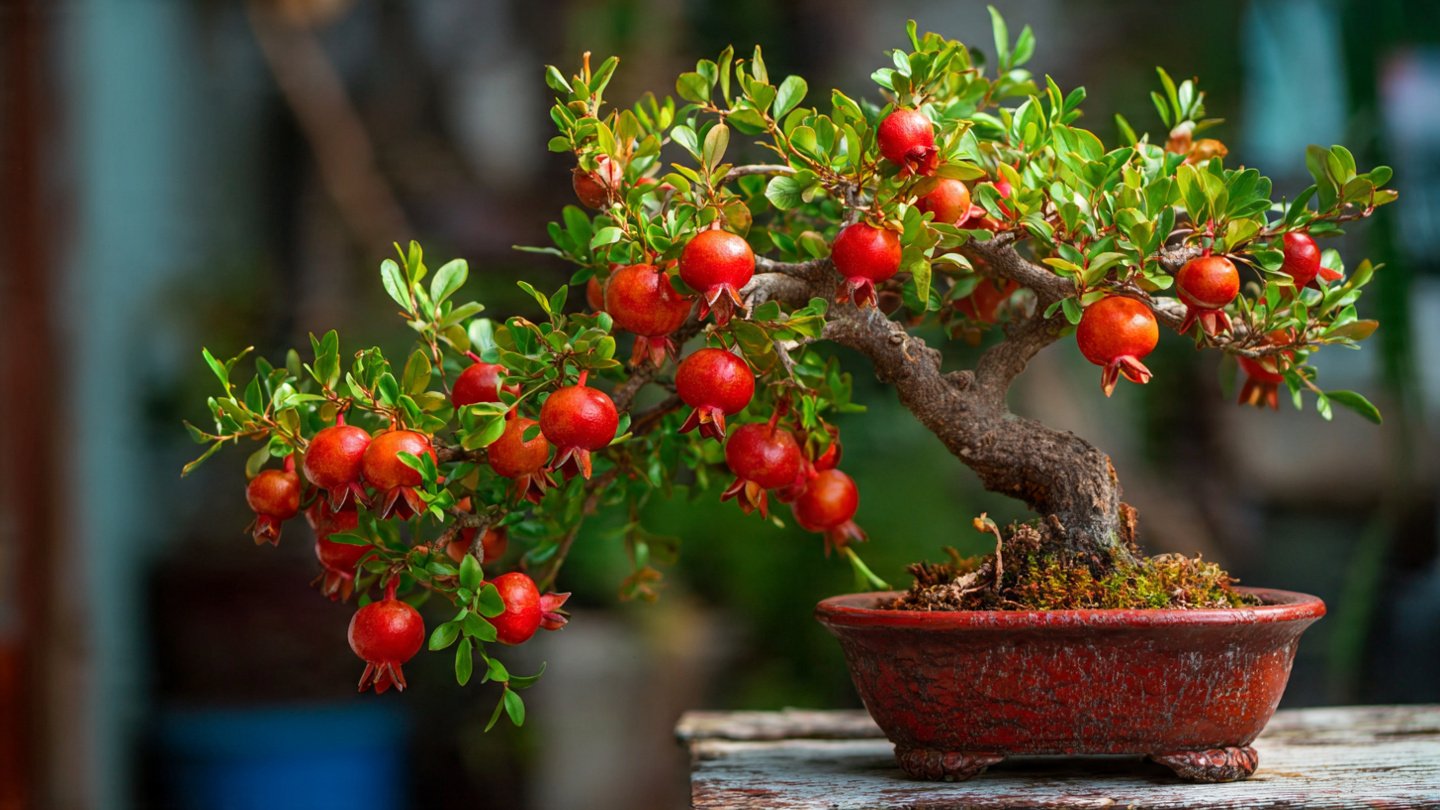
Pomegranate (Punica granatum) is a fascinating fruit-bearing shrub known for its vibrant blooms and succulent fruits. When trained as a bonsai, it not only adds beauty to your indoor or outdoor space but also gives a sense of accomplishment in tending to a living art form. This guide aims to provide both beginners and experts with detailed insights into cultivating pomegranate bonsai.
1. Understanding the Pomegranate Bonsai
1.1 Characteristics
Pomegranate bonsai typically features:
- Growth Habit: It branches out generously, producing a bushy appearance.
- Leaves: Glossy green leaves that may turn yellow in fall.
- Flowers: Showy red, orange, or pink flowers that appear in the summer.
- Fruits: Small, round pomegranates that are edible and beautifully ornamental.
1.2 Ideal Environment
Pomegranate trees thrive in USDA hardiness zones 7 to 10. They require well-draining soil, full sun, and can tolerate drought once established.
2. Choosing the Right Variety
2.1 Common Varieties for Bonsai
- Wonderful: Known for its large fruits and gorgeous flowers.
- Angel Red: Produces sweet fruits and features vivid blooms.
- Sweet: Smaller, sweeter fruits ideal for indoor cultivation.
2.2 Factors to Consider
- Climate: Choose a variety suitable for your local climate.
- Growth Rate: Faster-growing varieties may require more frequent pruning.
- Fruit Size: Consider a type that produces smaller fruits for bonsai aesthetics.
3. Starting Your Pomegranate Bonsai
3.1 Propagation Methods
You can propagate pomegranate bonsai through seeds, cuttings, or air-layering.
3.1.1 Growing from Seeds
- Seed Selection: Collect seeds from ripe pomegranates.
- Cleaning: Rinse and soak seeds in water for 24 hours.
- Planting: Sow seeds in a pot with well-draining soil. Cover lightly and keep moist.
3.1.2 Taking Cuttings
- Timing: Take semi-hardwood cuttings in late spring or early summer.
- Preparation: Use a sharp, sterile knife to cut 6-8 inches long from new growth.
- Rooting: Dip cut ends in rooting hormone and plant in moist soil.
3.2 Selecting the Right Soil
Use a well-draining soil mix, ideally composed of:
- Akadama: Japanese clay for moisture retention and aeration.
- Pumice: Provides drainage and root aeration.
- Organic Matter: Improves nutrient retention.
3.3 Choosing the Right Pot
Select a pot with drainage holes. Consider the bonsai’s size and visual appeal. Shallow pots often emphasize the bonsai’s trunk and root structure.
4. Care and Maintenance
4.1 Watering
Pomegranate bonsai prefer deep watering:
- Frequency: Water when the top inch of the soil dries out.
- Method: Water thoroughly until it drains from the bottom.
4.2 Fertilization
Use a balanced fertilizer during the growing season:
- Organic Options: Fish emulsion or seaweed extract.
- Chemical Fertilizer: Look for one with an N-P-K ratio of 10-10-10.
4.3 Pruning and Shaping
Pruning is crucial for directing growth and achieving the desired shape:
4.3.1 Initial Shaping
- Use Wire: When branches are flexible, use bonsai wire to shape the branches.
- Timing: This is best done in spring or early summer.
4.3.2 Regular Maintenance Pruning
- Remove Suckers: Get rid of any offshoots or vertical growths.
- Flower Pruning: Cut back blossoms to encourage fruit production.
4.4 Repotting
Repot every couple of years to refresh the soil and allow for root expansion:
- When: Early spring is ideal.
- How: Carefully remove the tree, prune any overly long roots, and replant in fresh soil.
5. Managing Pests and Diseases
5.1 Common Pests
- Aphids: Treat with insecticidal soap or neem oil.
- Spider Mites: Increase humidity and apply miticides if necessary.
5.2 Common Diseases
- Root Rot: Avoid over-watering and ensure proper drainage.
- Leaf Spot: Remove infected leaves and ensure good air circulation.
6. Flowering and Fruiting
6.1 Inducing Flowering
To encourage flowering, adjust care:
- Temperature: Pomegranates need warm temperatures to bloom.
- Watering: Slightly reduce watering before the flowering season.
6.2 Fruiting Care
- Winter Protection: Protect pots from freezing temperatures.
- Thinning Fruits: Remove excess fruits to allow remaining ones to grow larger.
7. Seasonal Care
7.1 Spring
- Fertilization: Begin fertilizing once growth resumes.
- Pruning: Shape new growth.
7.2 Summer
- Water Needs: Monitor water closely during hot months.
- Pest Control: Regularly inspect for pests.
7.3 Fall
- Harvesting: Collect fruits when fully ripened.
- Preparation for Winter: Begin to prepare the tree for winter dormancy.
7.4 Winter
- Indoor Care: Bring the bonsai indoors if temperatures drop below 20°F (-6°C).
- Light: Ensure the tree receives adequate sunlight indoors.
8. Display Techniques
- Positioning: Place your bonsai where it can be admired, ideally at eye level.
- Accent Plants: Use smaller companion plants to enhance the display.
FAQs
1. How long does it take for a pomegranate bonsai to bear fruit?
Typically, it takes about 3-4 years for a pomegranate bonsai to start producing fruit.
2. Can I grow a pomegranate bonsai indoors?
Yes, but ensure it receives plenty of sunlight and maintain consistent humidity.
3. What is the lifespan of a pomegranate bonsai?
With proper care, a pomegranate bonsai can live for several decades, often lasting over 30 years.
4. Why is my pomegranate bonsai not blooming?
Potential reasons may include inadequate sunlight, irregular watering, or nutrient deficiencies. Rearranging its environment or adjusting care may help.
5. Can pomegranate bonsai survive frost?
Pomegranate bonsai are susceptible to frost. Protect them during winter, especially in colder climates.
6. How often should I fertilize my pomegranate bonsai?
Fertilize every 4-6 weeks during the growing season (spring to early fall).
7. Can I train my pomegranate bonsai using pruning?
Yes, regular pruning is essential for shaping and controlling growth and size.
Final Thoughts
Cultivating a pomegranate bonsai can be a rewarding experience for any gardener. By understanding their unique needs and characteristics, you can create an exquisite focal point in your home or garden. Whether you’re a beginner or an experienced bonsai artist, following this comprehensive guide will help you nurture your pomegranate bonsai to its full potential. Happy cultivating!