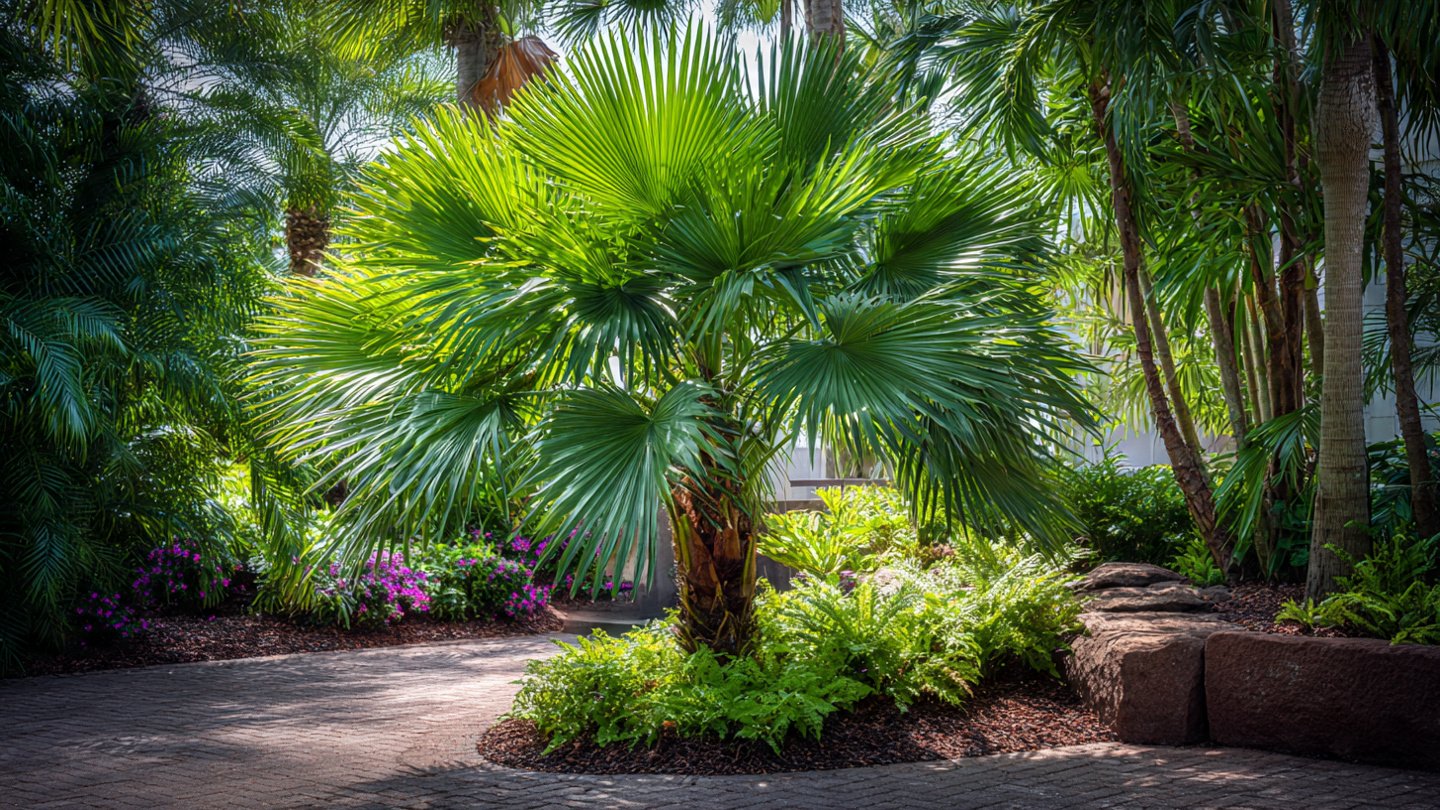
The Triangle Palm (Dypsis decaryi) is a magnificent specimen that captivates horticulturists and homeowners alike with its striking presence and unique architectural form. Known for its elegant, triangular-shaped trunk and lush, fan-like fronds, the Triangle Palm can serve as a stunning focal point in gardens, landscapes, and indoor spaces. In this article, we’ll explore the characteristics, benefits, and best practices for cultivating the Triangle Palm, positioning it as the centerpiece of your tropical paradise.
The Allure of the Triangle Palm
Unique Appearance
One of the most captivating features of the Triangle Palm is its unique growth habit. Unlike traditional palms, the Triangle Palm has a distinctive appearance due to its three-sided trunk, which gives it a triangular shape. This unusual form is a result of the palm’s growth pattern, where the trunk develops three distinct ridges. The fronds emerge in a palmate fashion, creating an impressive, fan-like canopy that can reach up to 12 feet in height.
Tropical Ambiance
The Triangle Palm inherently exudes a tropical ambiance, making it an ideal choice for gardens and landscapes designed to evoke feelings of relaxation and serenity. Its lush foliage and towering stature can instantly transport you to an exotic paradise, whether you’re on a balcony or a sprawling estate.
Versatility in Garden Design
The versatility of the Triangle Palm allows it to fit seamlessly into various landscape designs, from modern minimalist gardens to lush, tropical settings. Its unique trunk and verdant leaves can create dramatic contrasts against other plants, serving as a focal point that draws the eye. Moreover, its relatively slow growth ensures that it can be enjoyed for years without overwhelming smaller plants in its vicinity.
Growing Conditions
To cultivate Triangle Palm successfully, it’s essential to understand its specific growing conditions and requirements.
Sunlight
Triangle Palms thrive in full to partial sunlight. Ideally, they should receive at least 6 hours of direct sunlight each day for optimal growth. When placing your Triangle Palm, ensure it has access to bright, filtered light to prevent leaf burn and maintain vibrancy.
Soil
The right soil mix can make a significant difference in the health and vitality of your Triangle Palm. A well-draining soil rich in organic matter is ideal. You can achieve this by using a mix of potting soil, sand, and peat moss. The goal is to create a loose medium that allows for adequate drainage and root aeration.
Watering
While Triangle Palms are relatively drought-tolerant, they thrive best with consistent moisture. Water the plant regularly, allowing the top 2-3 inches of soil to dry out between waterings. Overwatering can lead to root rot, so it’s essential to monitor the soil’s moisture levels carefully.
Temperature and Humidity
This palm flourishes in warm temperatures, preferring conditions between 70°F and 90°F (21°C to 32°C). Humidity also plays a crucial role in its health; aspire to maintain humidity levels around 60% or higher. If growing indoors, consider using a humidifier or placing a tray of water nearby to increase humidity levels.
Fertilization
For optimal growth, incorporate a balanced, slow-release fertilizer during the growing season, typically from spring through early autumn. Look for a fertilizer formulated for palm trees, as it will contain essential nutrients tailored to their specific needs.
Planting Tips
Successfully planting a Triangle Palm involves several stages, from choosing a suitable location to ensuring proper care after planting.
Selecting the Right Location
Choose a location that offers ample sunlight and protection from strong winds. Ideally, the area should be spacious enough to allow the palm to grow to its full height without obstruction. This consideration is critical for preventing damage to the fronds and trunk as the tree matures.
Planting in Ground vs. Container
You can grow Triangle Palms either in the ground or in containers, depending on your landscape goals. When planting in the ground, dig a hole that is twice the width of the root ball but no deeper than the root ball itself. For container planting, select a pot that is at least 12 inches wide and deep, allowing sufficient room for growth.
Care After Planting
After planting, water the Triangle Palm thoroughly to help settle the soil around the roots. For the first few months, monitor the tree closely, ensuring it receives consistent watering and protection from extreme temperatures. Mulching around the base can help retain moisture and prevent weed growth.
Design Ideas for Incorporating Triangle Palms
The Triangle Palm’s architectural form and vibrant foliage make it highly versatile for landscape design. Here are some ideas to integrate this palm into your tropical paradise:
As a Standalone Feature
Position a Triangle Palm as a statement piece in your garden or entryway. Its towering presence can be highlighted by surrounding it with smooth river rocks or a circular bed of lush, contrasting foliage.
In Group Plantings
Create a visually striking arrangement by planting multiple Triangle Palms in a cluster. Varying their heights and spacing can create a dramatic effect, enhancing the overall tropical feel. Combine them with other tropical plants like hibiscus or birds of paradise to create a lush tapestry.
Container Displays
For a more mobile option, consider planting Triangle Palms in decorative containers. Choose pots that complement your outdoor décor, and place them strategically on patios or terraces. This flexibility allows you to change the layout according to the seasons or your design preferences.
Along Pathways
Incorporate Triangle Palms along pathways or driveways. The majestic stature of these palms can frame the path visually, leading visitors toward your tropical oasis in a unique way.
Maintenance and Care
Maintaining a Triangle Palm is relatively straightforward given its low-maintenance nature. Regularly inspect your palms for signs of disease or pests. Common pests include spider mites and scale insects. For infestations, treat with a mild insecticidal soap to minimize damage.
Pruning
Pruning is an essential aspect of maintaining the aesthetic appeal and health of your Triangle Palm. As the palm grows, remove any dead or damaged fronds to encourage new growth and improve airflow around the plant. Pruning should be done with clean, sharp tools to prevent infection.
Winter Care
While Triangle Palms are hardy, they may require extra care in colder climates. If you’re in a region that experiences frost, consider wrapping the trunk with insulation or bringing containerized palms indoors during extreme cold. Aim to avoid temperatures below 30°F (-1°C), as prolonged exposure can damage the foliage.
Frequently Asked Questions (FAQs)
1. Is the Triangle Palm suitable for indoor growing?
Yes, the Triangle Palm can be grown indoors as long as it has access to bright, indirect sunlight, adequate humidity, and well-draining soil.
2. How fast does the Triangle Palm grow?
The Triangle Palm is considered a slow-growing palm, typically reaching around 3 to 5 feet in height over the course of several years.
3. What are the common pests that affect Triangle Palms?
Triangle Palms can be affected by pests like spider mites, scale insects, and mealybugs. Regular inspection and prompt treatment can help keep these pests at bay.
4. Can I grow Triangle Palms in colder climates?
While Triangle Palms are tropical plants, they can be grown in colder climates if kept indoors during winter or protected from frost when planted outdoors.
5. How often should I fertilize my Triangle Palm?
Fertilization should be done during the growing season (spring to early autumn) with a slow-release fertilizer formulated for palms, typically every 4-6 weeks.
6. Are Triangle Palms toxic to pets?
No, Triangle Palms are not toxic to pets. However, it’s still a good idea to prevent pets from chewing on any plants, as ingestion in large quantities can cause gastrointestinal upset.
7. What is the best time to plant Triangle Palms?
The best time to plant Triangle Palms is during the spring or early summer when the weather is warm, encouraging optimal root establishment.
Conclusion
The Triangle Palm is more than just a plant; it’s a statement, a centerpiece that infuses tropical elegance into any space. With its unique shape, lush foliage, and architectural form, it can transform gardens, patios, and indoor environments into stunning tropical paradises. By following the right cultivation techniques and care practices, you can enjoy the breathtaking beauty of the Triangle Palm for years to come. Embrace this stunning palm as a focal point in your landscape, and let it inspire a serene, tropical lifestyle.