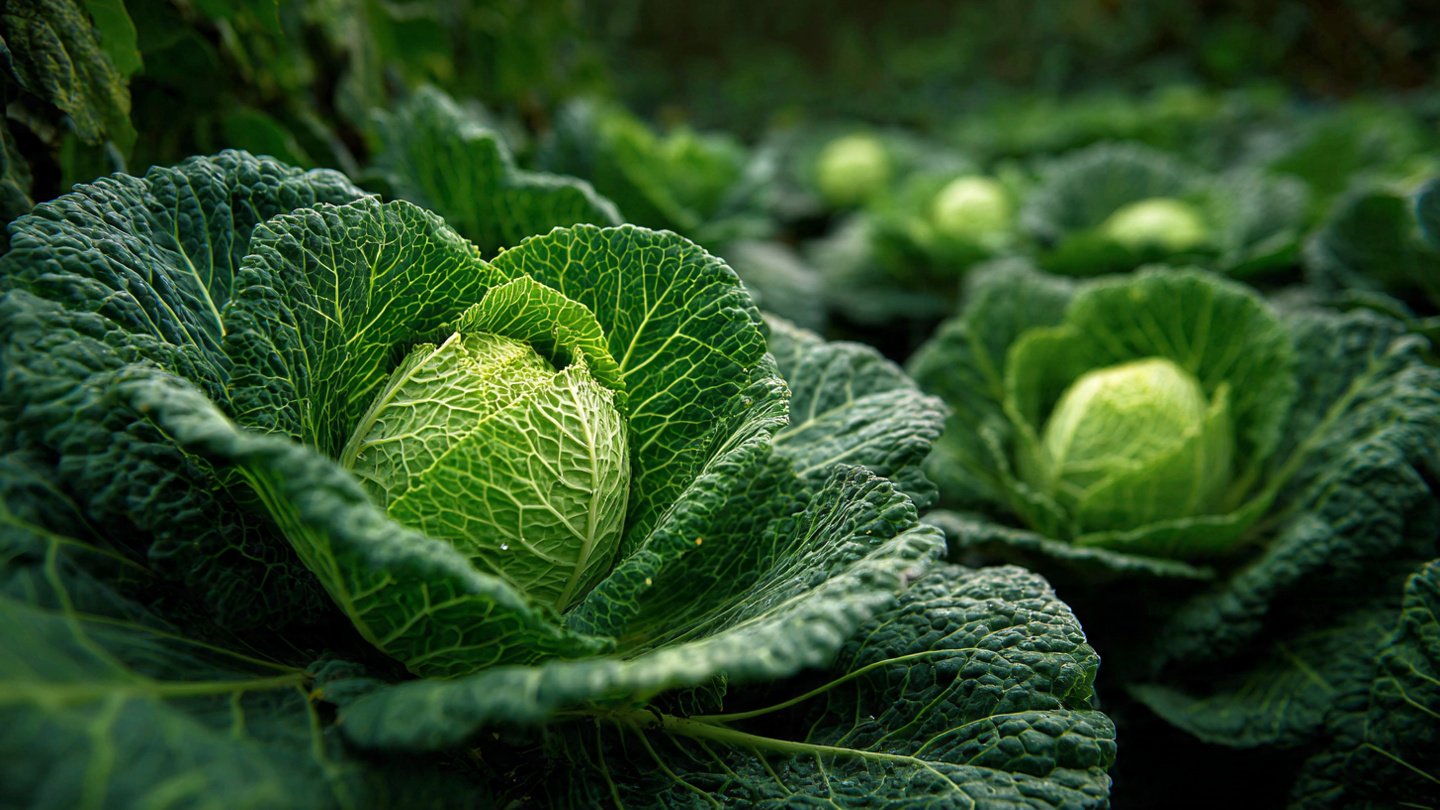
Savoy cabbage, known for its crinkly leaves and mild flavor, is a fantastic addition to any home garden. Not only does it add visual interest to your garden with its textured leaves, but it also provides a versatile ingredient for various culinary dishes. This article will guide you through the essential steps to successfully grow Savoy cabbage in your backyard garden to enjoy fresh harvests year-round.
Understanding Savoy Cabbage
Savoy cabbage (Brassica oleracea var. sabauda) is a variety of cabbage distinguished by its wrinkled, frilly leaves. Unlike its smoother counterparts, Savoy cabbage has a sweeter flavor and tender texture, making it ideal for salads, stir-fries, soups, and more. It’s rich in vitamins C and K, fiber, and antioxidants, making it a healthy choice.
Choosing the Right Variety
When starting, choose a variety that suits your climate and taste preferences. Some popular Savoy cabbage varieties include:
- Wintergreen: Known for its cold hardiness, this variety can withstand frost, resulting in a sweeter flavor.
- Savoy Express: A quick-maturing variety that produces compact heads, ideal for smaller gardens.
- Tundra: Resilient and disease-resistant, perfect for growing in varying conditions.
Planning Your Garden Layout
Savoy cabbage prefers a sunny location. Choose a spot that receives at least 6 hours of sunlight per day. Plan your garden layout considering companion planting, as certain plants can enhance growth while deterring pests. Good companions for Savoy cabbage include:
- Thyme: Helps repel cabbage pests.
- Beets: Their shallow roots do not compete for nutrients.
- Spinach: Can be sown alongside cabbage without crowding.
Preparing the Soil
Healthy soil is crucial for growing Savoy cabbage. Follow these steps to prepare your soil:
-
Soil Testing: Before planting, test your soil pH. Cabbage thrives in slightly acidic to neutral soil (pH 6.0-7.0).
-
Amending Soil: Based on the test results, amend your soil as necessary. You can improve soil fertility by mixing in compost or well-rotted manure. This provides essential nutrients and improves soil structure.
-
Tilling: Turn the soil to a depth of at least 12 inches. This helps aerate the soil and promotes good drainage.
-
Mulching: Adding organic mulch, such as straw or shredded leaves, can help retain moisture and suppress weeds.
Planting Savoy Cabbage
Savoy cabbage can be grown from seeds or transplants. Here’s how to do it successfully:
Starting Seeds Indoors
-
Timing: Start seeds indoors 6-8 weeks before the last expected frost. If you want a fall harvest, sow seeds 8-10 weeks before the first expected frost.
-
Containers: Use seed trays or small containers filled with a seed-starting mix.
-
Light and Water: Place the trays in a sunny location or under grow lights. Keep the soil evenly moist but not soggy.
-
Transplanting: Once seedlings have at least two sets of true leaves, they can be transplanted outside. Harden them off by gradually introducing them to outdoor conditions over a week.
Direct Sowing in the Garden
If you prefer direct sowing, follow these steps:
-
Sowing Seeds: Plant seeds ¼ to ½ inch deep in well-prepared soil. Space seeds about 12-18 inches apart to allow adequate room for growth.
-
Watering: Water gently yet thoroughly to ensure seeds settle into the soil.
-
Thinning: Once seedlings emerge and reach about 2-3 inches tall, thin them to maintain adequate spacing.
Transplanting Seedlings
When moving seedlings to the garden, follow these guidelines:
- Choose a cloudy day or late afternoon to transplant to minimize transplant shock.
- Dig holes deep enough to accommodate the root ball and water the transplants thoroughly.
Growing Conditions
Watering
Consistency is key when watering Savoy cabbage. Aim for 1-1.5 inches of water per week, either from irrigation or rainfall. Drip irrigation is ideal for minimizing water stress and preventing diseases.
Fertilization
A balanced fertilizer can significantly impact growth. After planting, apply a water-soluble fertilizer high in nitrogen every 3-4 weeks. Be sure to follow manufacturer instructions to avoid over-fertilization.
Pest and Disease Management
Savoy cabbage is relatively hardy, but it can be susceptible to pests and diseases. Common issues include:
- Aphids: Small insects that can be controlled with insecticidal soap.
- Cabbage worms: Handpicking or using row covers can help manage these pests.
- Downy Mildew: Ensure good air circulation and avoid overhead watering.
Harvesting Savoy Cabbage
Harvesting Savoy cabbage is straightforward:
- Timing: Cabbage is ready to harvest when heads are firm and reach an appropriate size, usually 6-8 inches in diameter.
- Cutting: Use a sharp knife to cut the head from the plant, leaving 1-2 outer leaves to protect the plant’s remaining parts, which may yield secondary heads.
- Storage: Store harvested cabbage in a cool, dark place with high humidity. Properly stored, Savoy cabbage can last several weeks.
Year-Round Growing Tips
To have fresh Savoy cabbage year-round, consider the following strategies:
- Succession Planting: Stagger plantings every few weeks during the growing season to ensure continuous harvests.
- Fall Cropping: For successful fall crops, plant late varieties that can withstand frost.
- Winter Storage: Use cold frames or hoop houses to extend your growing season into winter. Savoy cabbage can often survive mild winters, especially if protected with row covers.
Conclusion
Growing Savoy cabbage in your backyard garden can be a rewarding and delicious experience. With proper planning, soil preparation, and care, you can enjoy fresh, homegrown cabbage year-round. Whether it’s for salads, soups, or side dishes, the effort you put into cultivating this vegetable will certainly pay off, providing both nourishment and satisfaction.
FAQs
1. What is the best time to plant Savoy cabbage?
Typically, you can plant Savoy cabbage in early spring or late summer for a fall harvest. Starting seeds indoors 6-8 weeks before the last frost or 8-10 weeks before the first frost for fall planting is recommended.
2. How much sunlight does Savoy cabbage need?
Savoy cabbage thrives in full sun, requiring at least 6 hours of direct sunlight daily.
3. Can I grow Savoy cabbage in containers?
Yes, Savoy cabbage can be grown in containers as long as they are deep enough (at least 12 inches) and provide adequate drainage.
4. What companion plants work well with Savoy cabbage?
Good companions include thyme, beets, and spinach, among others. These plants can help deter pests and utilize space effectively.
5. How do I know when Savoy cabbage is ready to harvest?
Cabbage heads are ready for harvest when they are firm and have reached a size of 6-8 inches in diameter.
6. What pests should I watch for?
Common pests include aphids and cabbage worms. Regular monitoring and pest management techniques can help keep them in check.
7. How long can I store harvested Savoy cabbage?
When stored properly in a cool, dark, and humid environment, Savoy cabbage can last several weeks.
With these guidelines and tips, you are now well-equipped to grow your own delicious Savoy cabbage, ensuring fresh harvests for delicious meals throughout the year. Happy gardening!