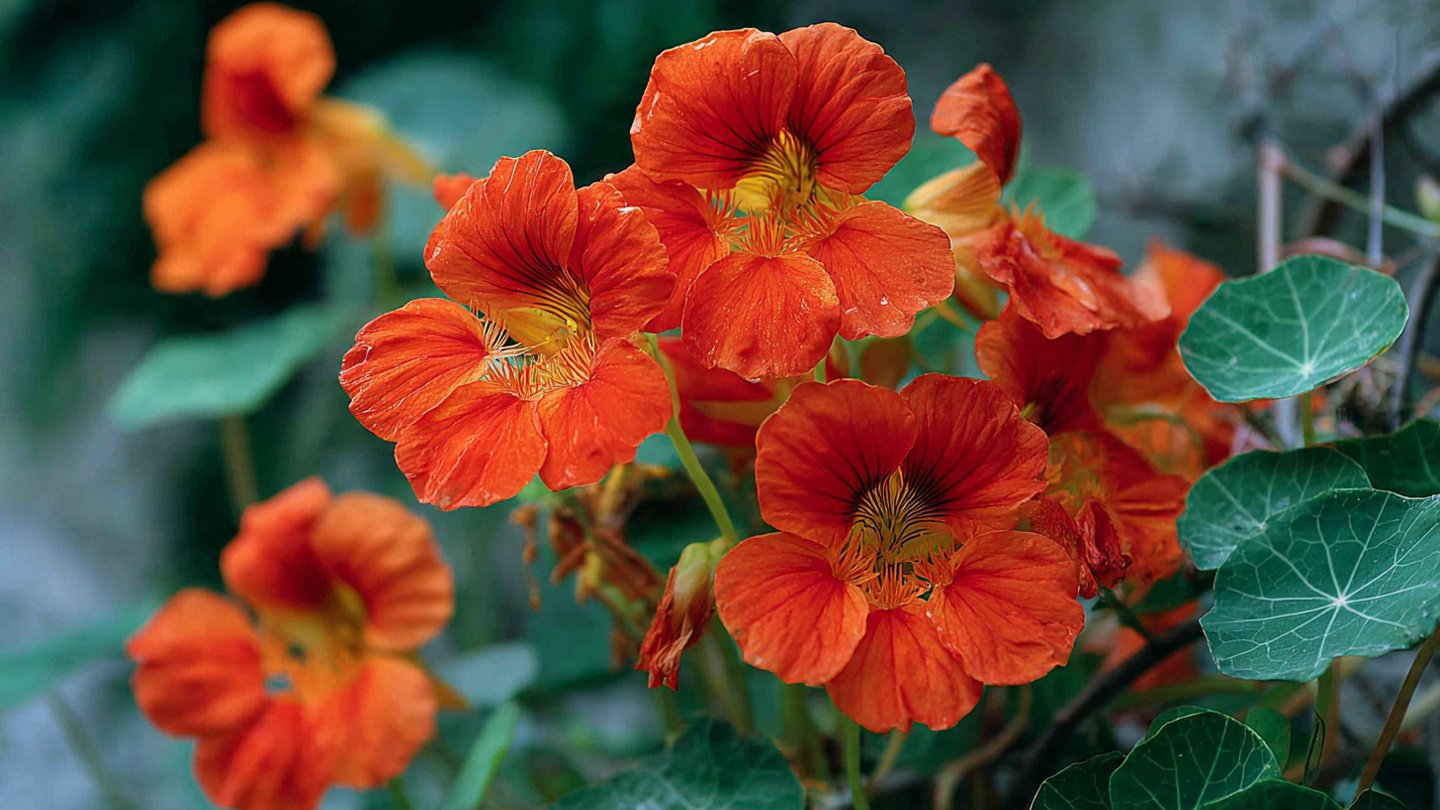
Nasturtium is a vibrant and versatile plant, beloved not only for its stunning flowers and unique foliage but also for its culinary uses and pest-repellent qualities. If you’re looking to add a splash of color to your garden or want an attractive companion plant, this comprehensive guide will help you navigate the process of growing nasturtiums from seed.
What is Nasturtium?
Nasturtium (Tropaeolum majus) is an annual flowering plant known for its bright, colorful blooms and heart-shaped leaves. It is native to Central and South America and has been cultivated for centuries for its ornamental and edible properties. The flowers can be red, orange, yellow, or even a mix of these colors, while the leaves are often a deep green. Nasturtiums are particularly appealing because they not only beautify gardens but also attract beneficial insects and deter pests.
Benefits of Growing Nasturtium
- Aesthetic Appeal: The bright flowers add color to gardens and containers, attracting attention and admiration.
- Culinary Uses: Both the leaves and flowers are edible. The peppery taste of the leaves and flowers can spice up salads, sandwiches, and garnishes.
- Companion Plant: Nasturtiums are known to repel aphids and other pests, making them a beneficial addition alongside vegetables and other plants.
- Easy to Grow: They are a hardy plant that can thrive in various conditions, making them suitable for both novice and experienced gardeners.
Preparing for Planting
Choosing the Right Location
Before you plant, choose a location that meets the following criteria:
- Sunlight: Nasturtiums thrive in full sun but can tolerate partial shade. Aim for at least 4-6 hours of sunlight daily.
- Soil Type: They prefer well-drained, nutrient-poor soil. Rich soil can lead to more foliage at the expense of flowers, so it’s best to avoid overly fertile conditions.
- Space: Nasturtiums can spread out, so consider their mature size when planting. If you’re planting in containers, ensure they are large enough to accommodate growth.
Soil Preparation
- Soil Testing: Conduct a soil test to determine pH and nutrient levels. Nasturtiums prefer slightly acidic to neutral soil (pH 6.0-7.0).
- Amendments: If necessary, work in organic compost or well-rotted manure to improve soil structure without greatly enhancing fertility.
- Tilling: Loosen the soil to a depth of about 12 inches to encourage root growth.
Sowing Nasturtium Seeds
Best Time to Plant
Nasturtium seeds can be sown directly in the garden after the last frost date, typically from late spring to early summer. If you live in a cooler area, consider starting seeds indoors 4-6 weeks before the last frost date.
Planting Seeds
- Direct Sowing:
- Plant seeds about 1 inch deep and 10-12 inches apart to give them room to grow.
- Water the area gently to settle the soil around the seeds.
- Starting Indoors:
- Use biodegradable pots filled with seed-starter mix.
- Sow 1-2 seeds per pot. Transplant them outdoors after the last frost when they are about 4-6 inches tall.
Watering and Maintenance
Watering
- Initial Watering: Water the seeds gently after planting.
- Ongoing Watering: Ensure consistent moisture, particularly during dry spells. However, avoid waterlogging, as this can lead to root rot.
Fertilization
- Nasturtiums typically do not require fertilization since they thrive in low-nutrient conditions. If you choose to fertilize, use a balanced fertilizer diluted to half strength.
Pruning & Deadheading
- Regularly deadhead spent flowers to encourage further blooming and control the plant’s growth.
Pest and Disease Management
Nasturtiums are relatively pest-resistant but can face some common issues:
- Aphids: If aphids appear, wash them off with a strong spray of water or use insecticidal soap.
- Powdery Mildew: This can occur in humid conditions. Improve air circulation and avoid overhead watering to minimize this risk.
- Slugs and Snails: Attracting these pests can be managed with diatomaceous earth or traps.
Harvesting
Edible Parts
- Leaves and Flowers: Harvest them when they are young and tender for the best flavor. Always rinse before consumption, especially if you’ve used any pest control methods.
- Seeds: Nasturtium seeds can be harvested and pickled, serving as a caper substitute.
Seasonal Care
End of Season
- As the season winds down, you can either let the plants self-seed or gather seeds to plant the following year. Cut back the plants before frost, but leave some intact for wildlife.
Creative Uses in the Garden
- Container Gardens: Nasturtiums do well in hanging baskets or pots, allowing for versatility in garden layouts.
- Border Plants: Use them along pathways or borders to create a cheerful and vibrant atmosphere.
- Companion Planting: Pair nasturtiums with vegetables like tomatoes, cabbage, and radishes to ward off pests and encourage pollinators.
FAQs
1. How long does it take for nasturtium seeds to germinate?
Nasturtium seeds typically germinate within 7-10 days, depending on the soil temperature and moisture levels.
2. Can I grow nasturtiums in partial shade?
Yes, nasturtiums can tolerate partial shade but will bloom more profusely in full sun.
3. Are nasturtiums perennials or annuals?
Nasturtiums are typically annuals, meaning they complete their life cycle in one growing season. In warmer climates, they can sometimes act as perennials.
4. How do I prevent pests from harming my nasturtiums?
Growing nasturtiums as companion plants alongside vegetables can help deter pests. Additionally, keeping the plants healthy and well-watered attracts beneficial insects.
5. Can I save seeds from my nasturtium plants?
Yes! Allow some flowers to mature and dry on the plant, then harvest and store the seeds in a cool, dry place for future planting.
6. What are the best companions for nasturtium?
Good companions include tomatoes, radishes, and cabbage, as nasturtiums can deter pests that typically target these plants.
7. How should I store nasturtium seeds?
Store seeds in a cool, dry place, ideally in a labeled envelope or container to keep them organized for future planting.
Conclusion
Growing nasturtiums from seed is not only rewarding but also brings beauty, flavor, and beneficial traits to your garden. Whether you’re looking to brighten up pathways, attract beneficial insects, or add a peppery kick to your salads, nasturtiums are a wonderful choice. By following this comprehensive guide, you’ll be well on your way to cultivating a thriving nasturtium garden. Happy gardening!