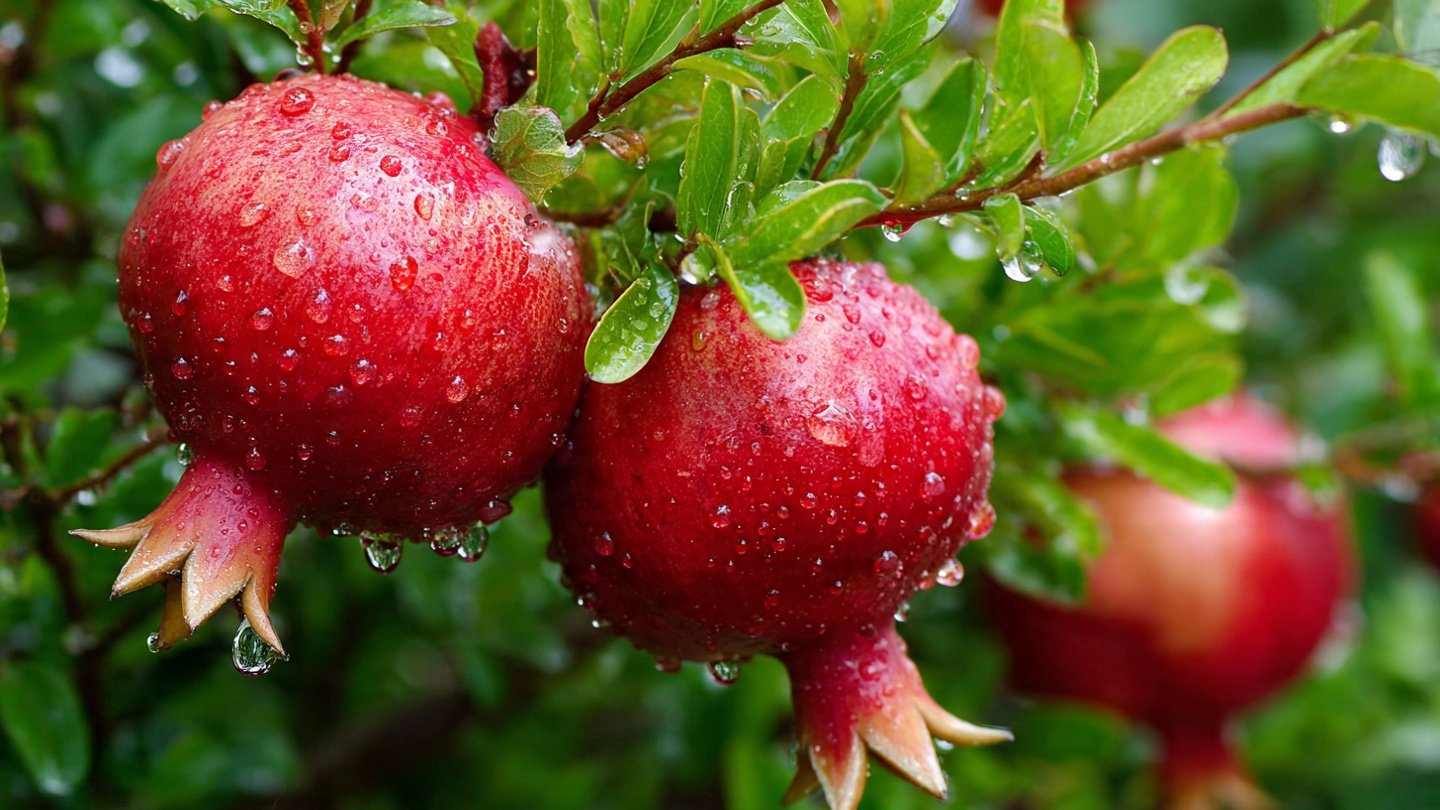
Pomegranates have captivated people for centuries with their vibrant red fruit and numerous health benefits. Among the various types, soft seed pomegranates are known for their palatable taste and juiciness. If you’re looking to cultivate these delightful fruits in your backyard garden, this comprehensive guide will walk you through the steps to ensure a fruitful harvest.
Understanding the Soft Seed Pomegranate
What Are Soft Seed Pomegranates?
Soft seed pomegranates, unlike their hard-seeded counterparts, have seeds that are less crunchy and more edible, often enhancing the fruit’s juiciness and overall flavor. These varieties are perfect for fresh eating, juicing, or adding to salads.
Benefits of Growing Pomegranates
- Health Benefits: Pomegranates are rich in antioxidants, vitamins, and minerals that contribute to overall health. They are known for their anti-inflammatory properties and can support heart health.
- Aesthetics: The pomegranate tree is an attractive plant with glossy green leaves and vibrant flowers. This makes it a lovely addition to flower beds and landscapes.
- Low Maintenance: Once established, pomegranate trees are relatively low-maintenance and drought-resistant, making them ideal for many gardeners.
Choosing the Right Variety
Selecting Soft Seed Varieties
When growing soft seed pomegranates, it’s essential to choose the right variety. Some popular soft seed varieties include:
- Angel Red: Known for its sweet flavor and high juice content.
- Eversweet: Renowned for its nearly seedless fruit that is exceptionally sweet.
- Parfianka: Offers a balanced flavor with both sweetness and tartness.
Preparing Your Garden
Soil Requirements
Pomegranates thrive in well-draining soil with a pH between 5.5 and 7.0. Consider conducting a soil test to assess its pH and nutrient levels before planting. To improve soil quality:
- Organic Matter: Incorporate aged manure or compost to increase fertility and drainage.
- Sand or Perlite: If your soil is compact, adding sand or perlite can enhance drainage.
Choosing the Right Location
Pomegranate trees enjoy full sun, so select a location that receives at least 6-8 hours of sunlight daily. Also, ensure that the spot has good air circulation to prevent fungal diseases.
Planting Your Pomegranate Trees
When to Plant
The best time to plant pomegranate trees is in the spring after the last frost date. This ensures that young plants can establish themselves before facing summer heat.
Planting Steps
- Digging the Hole: Dig a hole twice as wide and just as deep as the root ball of the pomegranate plant.
- Positioning the Tree: Place the tree in the center of the hole, ensuring that the graft union is at soil level.
- Backfilling: Backfill the hole with a mix of native soil and organic matter, gently tamping down to remove air pockets.
- Watering: Water thoroughly after planting to settle the soil around the roots.
Spacing
If planting multiple pomegranate trees, space them about 10-15 feet apart to allow for ample growth and air circulation.
Caring for Your Pomegranate Plants
Watering
Pomegranate trees require regular watering, especially during the first year after planting. Once established, they can tolerate some drought, but proper hydration is crucial for fruit development:
- Young Trees: Water deeply once a week to encourage deep root growth.
- Established Trees: Reduce watering to once every two to three weeks, depending on rainfall.
Fertilization
Applying fertilizer will support vigorous growth:
- First Year: Use a balanced, slow-release fertilizer in early spring.
- Established Trees: Apply fertilizer every spring, using a formula high in potassium to promote fruiting.
Pruning
Pruning is a vital aspect of maintaining plant health:
- When to Prune: Late winter or early spring is the best time to prune.
- Technique: Remove dead or crossing branches to promote a strong structure and airflow. Shape the tree to allow sunlight to reach all areas.
Pest Control
Pomegranates are relatively resistant to pests, but watch for common issues such as:
- Mealybugs: Treat with insecticidal soap.
- Pomegranate Fruit Fly: Use traps or natural predators to control populations.
Disease Management
Maintain good airflow and avoid overwatering to prevent diseases such as root rot and fungal infections. If diseases occur, apply organic fungicides as needed.
Harvesting Your Pomegranates
When to Harvest
Pomegranates typically take 5-7 months to mature after flowering. When the fruit is fully developed, look for:
- Color: The skin will turn a vibrant red.
- Sound: When tapped, ripe fruit will produce a metallic sound.
- Firmness: Ripe pomegranates will feel heavy and firm.
How to Harvest
Use pruning shears to cut the pomegranate from the tree, leaving a small stalk attached to the fruit.
Storing Your Harvest
Pomegranates can be stored in a cool, dry place for several weeks. For longer storage, refrigerate them. The seeds can also be extracted and stored in airtight containers in the freezer.
Troubleshooting Common Issues
Poor Fruit Development
If your pomegranates are underdeveloped, check:
- Watering Practices: Inconsistent watering can affect fruit quality.
- Nutrient Levels: Ensure adequate fertilization.
Fading Color
If your pomegranates are not turning the desired color, it may be due to insufficient sunlight or irregular watering patterns.
Frequently Asked Questions (FAQs)
1. Can I grow pomegranates in pots?
Yes, pomegranates can be successfully grown in pots as long as they have adequate drainage and enough space for root growth. Use a large container (at least 15 gallons) and ensure it has proper drainage holes.
2. How long does it take for a pomegranate tree to produce fruit?
Most pomegranate trees will start producing fruit within 2-3 years after planting. Full production may take 4-5 years.
3. Can pomegranates survive winter?
Pomegranate trees are hardy in USDA zones 7-10. In regions with colder winters, consider planting them in pots or providing frost protection during adverse weather.
4. How do I know when my pomegranates are ripe?
Ripe pomegranates will be plump, heavy, and have a vibrant red color. Additionally, they will produce a metallic sound when tapped.
5. What can I do if my pomegranate tree is not flowering?
If your pomegranate tree is not producing flowers, it may be due to inadequate sunlight, lack of nutrients, or improper watering. Ensure the tree receives full sun and maintain regular feeding and watering practices.
Conclusion
Growing soft seed pomegranates in your backyard can be a rewarding endeavor. Not only do they provide delicious fruit, but they also enhance your garden’s beauty. By following these guidelines, you’ll be well on your way to cultivating a healthy and fruitful pomegranate plant. Enjoy the process, and soon you’ll be harvesting your tangy, sweet gems!