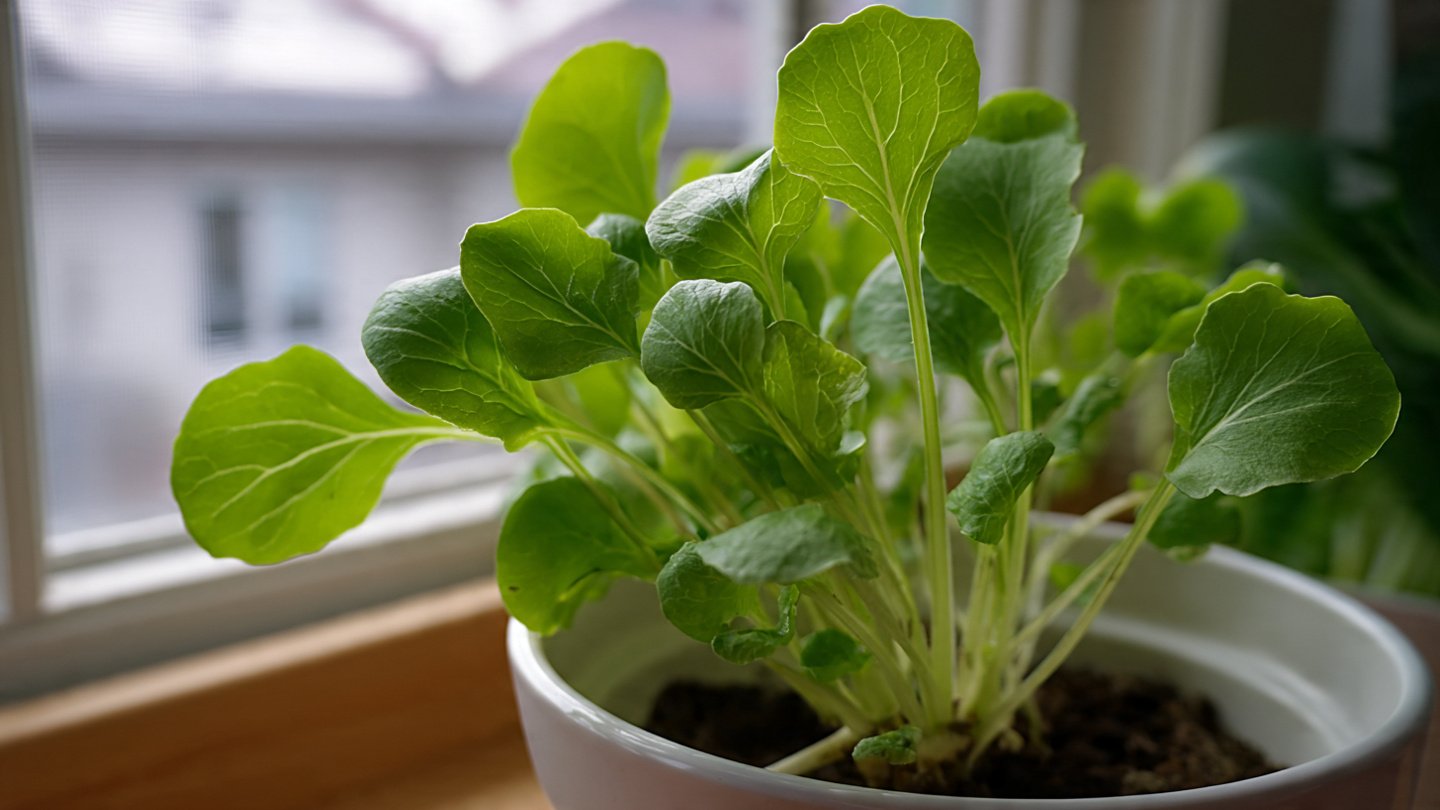
Radishes are often celebrated for their root vegetables, but their greens are a nutritious and delicious addition to various dishes. Growing radish greens can be a rewarding endeavor, whether you are looking to use cuttings from existing radishes or sowing seeds from scratch. In this guide, we will explore the methods to cultivate healthy radish greens, benefits of growing them, and provide answers to common questions about the process.
Why Grow Radish Greens?
Nutritional Benefits
Radish greens are packed with nutrients. They are rich in vitamins C and K, calcium, and antioxidants. Including these greens in your diet can boost your immune system, strengthen bones, and improve overall health. Plus, they provide a peppery flavor that can enhance salads, soups, and stir-fries.
Environmental Benefits
Growing your own radish greens is not only beneficial for your health but also for the environment. Gardening reduces your carbon footprint and promotes biodiversity. Additionally, radishes grow relatively quickly, making them a sustainable crop choice.
Culinary Versatility
Radish greens are incredibly versatile. You can use them in various dishes, from salads and pestos to soups and sautés. Their peppery, slightly bitter flavor can add depth to any meal, making them a fantastic alternative to other leafy greens.
Cultivating Radish Greens from Seeds
Growing radish greens from seeds is a straightforward process. Here’s how you can get started.
Step 1: Choosing the Right Seeds
When selecting seeds, opt for varieties specifically bred for greens, such as “Daikon” or “Spring Radishes.” These types are known for their lush foliage and will yield abundant greens.
Step 2: Preparing the Soil
Radishes thrive in well-draining soil enriched with organic matter. Aim for a slightly acidic to neutral pH (6.0 to 7.0). Here’s how to prepare the soil:
- Choose a Location: Find a sunny spot that receives at least 6 hours of sunlight a day.
- Soil Preparation: Loosen the soil to a depth of about 12 inches and mix in compost to ensure it’s nutrient-rich.
Step 3: Sowing the Seeds
Now that your soil is ready, it’s time to sow the seeds:
- Spacing: Plant seeds about 2 inches apart in rows, with each row spaced about 12-18 inches apart.
- Depth: Sow seeds about 0.5 inches deep.
- Watering: Water the seeds gently, ensuring the soil remains moist but not waterlogged.
Step 4: Caring for Your Radish Greens
Proper care will ensure healthy and vibrant radish greens. Follow these guidelines:
- Watering: Keep the soil consistently moist. Water every few days or when the topsoil appears dry.
- Fertilizing: Apply a balanced fertilizer once the greens are about 2 inches tall, following the manufacturer’s instructions.
- Weeding: Regularly remove weeds to prevent competition for nutrients and space.
Step 5: Harvesting
Radish greens are typically ready for harvest in 3-4 weeks. You can start harvesting when they are young and tender:
- Cutting: Use scissors to snip the outer leaves, allowing the inner leaves to grow.
- Timing: Harvest in the morning when leaves are crisp and full of moisture for the best flavor.
- Continuing Growth: Leaving the inner leaves intact will promote further growth.
Cultivating Radish Greens from Cuttings
If you already have radishes with greens, you can propagate new greens using cuttings. This method is not only easy but also a great way to reduce waste.
Step 1: Select Healthy Radishes
Choose fresh radishes with vibrant and healthy greens. Mature radish tops that are not too wilted are ideal.
Step 2: Prepare the Cuttings
- Cutting the Tops: Cut the greens about 1 inch above the root.
- Rinsing: Rinse the cut radish tops gently under water to remove any soil or debris.
Step 3: Water Method
One effective way to grow radish greens from cuttings is the water method:
- Container: Place the cut tops in a shallow bowl or container with water, ensuring that at least half of the leaves are submerged.
- Light: Position the container in a bright spot but away from direct sunlight to prevent wilting.
- Maintenance: Change the water every few days to keep it fresh.
Step 4: Transplanting (Optional)
If you want to plant the cuttings in soil:
- Plant: After a few days in water when new leaves begin to sprout, transplant them into well-draining soil.
- Follow the Same Care Guidelines: Continue with the same watering, fertilizing, and care as with seed-grown greens.
Troubleshooting Common Issues
Pests and Diseases
- Aphids and Flea Beetles: These common pests can damage radish greens. Introduce beneficial insects like ladybugs or use insecticidal soap to manage populations.
- Fungal Diseases: Keep plants spaced for good air circulation to prevent diseases like downy mildew and powdery mildew.
Light and Water Concerns
- Too Much Shade: If your greens are leggy or sparse, they may need more sunlight. Consider relocating them to a sunnier spot.
- Overwatering: Yellowing leaves may indicate overwatering. Ensure proper drainage and only water when necessary.
FAQ Section
1. Can I grow radish greens indoors?
Yes, radish greens can be grown indoors in pots near a sunny window. Ensure they receive adequate light and airflow.
2. How often should I fertilize my radish greens?
Fertilize once when the leaves are about 2 inches tall. You can follow up with a balanced fertilizer every few weeks, depending on growth and soil quality.
3. What varieties of radishes are best for greens?
Varieties like “Daikon,” “French Breakfast,” and “Red Globe” are excellent for growing healthy greens.
4. Can I eat radish greens raw?
Absolutely! Radish greens can be eaten raw in salads or as garnishes. Their peppery flavor enhances many dishes.
5. How do I store harvested radish greens?
Store them in a plastic bag in the refrigerator for up to a week. For longer storage, consider blanching and freezing them.
6. What is the best time to plant radish greens?
Radishes are cool-weather crops and can be planted in early spring or late summer. Ensure temperatures are between 50°F and 85°F for optimal growth.
7. Are radish greens perennial?
Radish greens are typically grown as annuals, but if you allow some plants to go to seed, they can self-seed and return in future seasons.
8. Can I grow radish greens in containers?
Yes, radish greens are well-suited for container gardening. Choose pots that are at least 6-12 inches deep and ensure proper drainage.
Conclusion
Cultivating healthy radish greens from cuttings and seeds is a simple, rewarding process with numerous nutritional and culinary benefits. Whether you’re a seasoned gardener or a beginner, these tips will help you successfully grow your own radish greens. Enjoy the fresh taste and boost your health by adding these greens to your diet. Happy gardening!