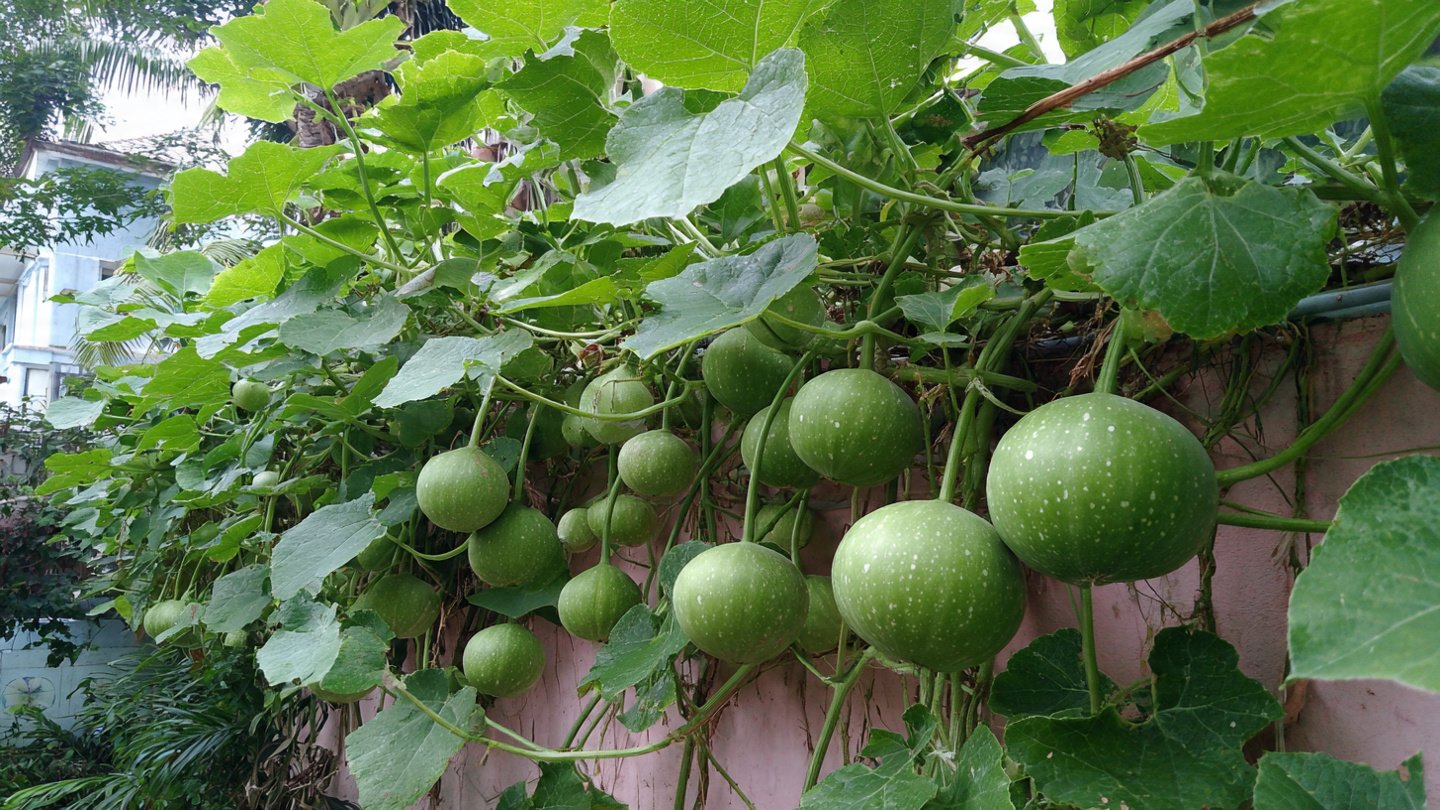
Bottle gourd (Lagenaria siceraria), also known as calabash or lauki, is a versatile vegetable prized not only for its culinary uses but also for its numerous health benefits. Growing bottle gourd vines at home can yield a bountiful harvest when done correctly. Training these vines is essential for optimizing space, ensuring better air circulation, and increasing yield. In this article, we will explore effective techniques for training bottle gourd vines at home, ensuring maximum yield and healthy plants.
Benefits of Growing Bottle Gourd
Before diving into cultivation techniques, let’s briefly discuss why you should consider growing bottle gourd:
- Nutritional Value: Bottle gourd is low in calories and rich in vitamins and minerals, making it an excellent dietary addition.
- Versatility: It can be used in a variety of dishes, from curries to desserts.
- Ease of Growth: Bottle gourd is relatively easy to grow, making it perfect for beginners.
- Space Efficiency: It can be cultivated vertically, saving garden space.
Understanding the Vine Growth Habit
Bottle gourd is a climbing vine that can reach considerable lengths. Understanding its growth habit is crucial for effective training. The plant produces long, slender vines that can spread out horizontally if not directed, leading to overcrowding and poor yields. Vertical training is essential for maximizing space and improving fruit development.
Effective Training Techniques
1. Choosing the Right Varieties
Before training your bottle gourd vines, it’s essential to select high-yielding varieties. Look for disease-resistant seeds with good reviews on yield. Choosing the right variety sets the foundation for successful vine training.
2. Planting in the Right Location
Bottle gourds thrive in sunny locations with well-drained soil. Ensure your garden bed receives at least 6-8 hours of direct sunlight daily. The soil should be rich in organic matter, well-aerated, and slightly alkaline to neutral. A pH level of 6.0 to 7.0 is ideal.
3. Using Trellises for Vertical Growth
Types of Trellis
- A-Frame Trellis: An A-shaped structure supporting the vines.
- Wire Trellis: A horizontal wire strung between two poles.
- Netting: Plastic or nylon netting hung from a frame.
- Garden Arches: Decorative options that provide both support and aesthetics.
Constructing the Trellis
- Height: Aim for a height of 5-6 feet.
- Material: Use durable materials like wood, metal, or strong plastic.
- Installation: Set the trellis before planting to avoid root disturbance.
4. Training the Vines
Training the vines is critical for controlling their growth and maximizing yield.
Steps for Training
-
Initial Direction: When the seedlings reach about 1-2 feet in height, gently guide them toward the trellis. You can use soft ties or gardening twine to secure the vines initially.
-
Regular Twisting: As the vines grow, gently twist them around the trellis. This encourages climbing and helps the plant develop a strong grip.
-
Pruning: Prune side shoots to focus the plant’s energy on the primary vine. Regular pruning improves air circulation and sunlight penetration.
-
Leaf Management: Remove yellowing leaves as they appear. This practice prevents disease and allows for better nutrient distribution.
5. Watering and Nutrition
Proper watering and nutrition are vital for robust vine growth. Bottle gourd plants require moderate watering. Here are some tips:
- Irrigation: Water the vines deeply once a week. Frequency can increase during dry spells.
- Fertilization: Use a balanced fertilizer (NPK) every 4-6 weeks. Organic compost is an excellent alternative to boost soil health.
6. Pest Management
Training bottle gourd vines also involves protecting them from pests and diseases.
Common Pests
- Aphids: These can be controlled with insecticidal soap.
- Mealybugs: Use neem oil to deter these pests.
- Spider Mites: Maintain humidity around the plants to discourage their appearance.
Disease Prevention
- Rotate your crops regularly to prevent soilborne diseases.
- Ensure good air circulation by proper pruning and training.
7. Harvesting Techniques
Knowing the right time to harvest is crucial for yielding the best quality bottle gourd.
- Timeframe: Typically, bottle gourds are ready for harvest 2-3 months after planting.
- Indicators: Look for a firm, smooth skin that has developed its characteristic color. Generally, 1-2 feet in length is optimal.
- Harvest Method: Use sharp garden shears to cut the gourds, preventing damage to the vine.
8. Post-Harvest Handling
Handle harvested gourds carefully to prevent bruising. Store in a cool, dry place to prolong shelf life.
Conclusion
Training bottle gourd vines effectively at home can mean the difference between a meager harvest and an abundant one. With the right techniques—from selecting varieties and proper planting to using trellises and maintaining health—you can maximize your yields and enjoy the benefits of this nutritious vegetable.
FAQs
1. How much sunlight do bottle gourd vines need?
Bottle gourd vines thrive in full sun, requiring at least 6-8 hours of direct sunlight daily for optimal growth.
2. Can I grow bottle gourd in containers?
Yes, bottle gourd can be grown in large containers. Just ensure you provide adequate support for the vines to climb.
3. What type of soil is best for bottle gourd?
Bottle gourds prefer nutrient-rich, well-drained soil with a pH level between 6.0 and 7.0.
4. How often should I water my bottle gourd?
Water deeply once a week, increasing frequency during hot, dry spells. Ensure the soil is moist but not waterlogged.
5. When is the best time to plant bottle gourd?
The best planting time for bottle gourd is during the spring season when temperatures are consistently warm, usually after the last frost.
6. How do I know when to harvest bottle gourd?
Harvest when the gourds are firm, smooth, and approximately 1-2 feet long, typically 2-3 months after planting.
7. What are common diseases affecting bottle gourd?
Common diseases include powdery mildew and downy mildew. Ensure proper air circulation and avoid overhead watering to minimize risks.
By following these techniques and tips, aspiring gardeners can revolutionize their home gardening experience and enjoy a splendid yield of bottle gourd while enhancing their home meals with this cherished vegetable. Happy gardening!