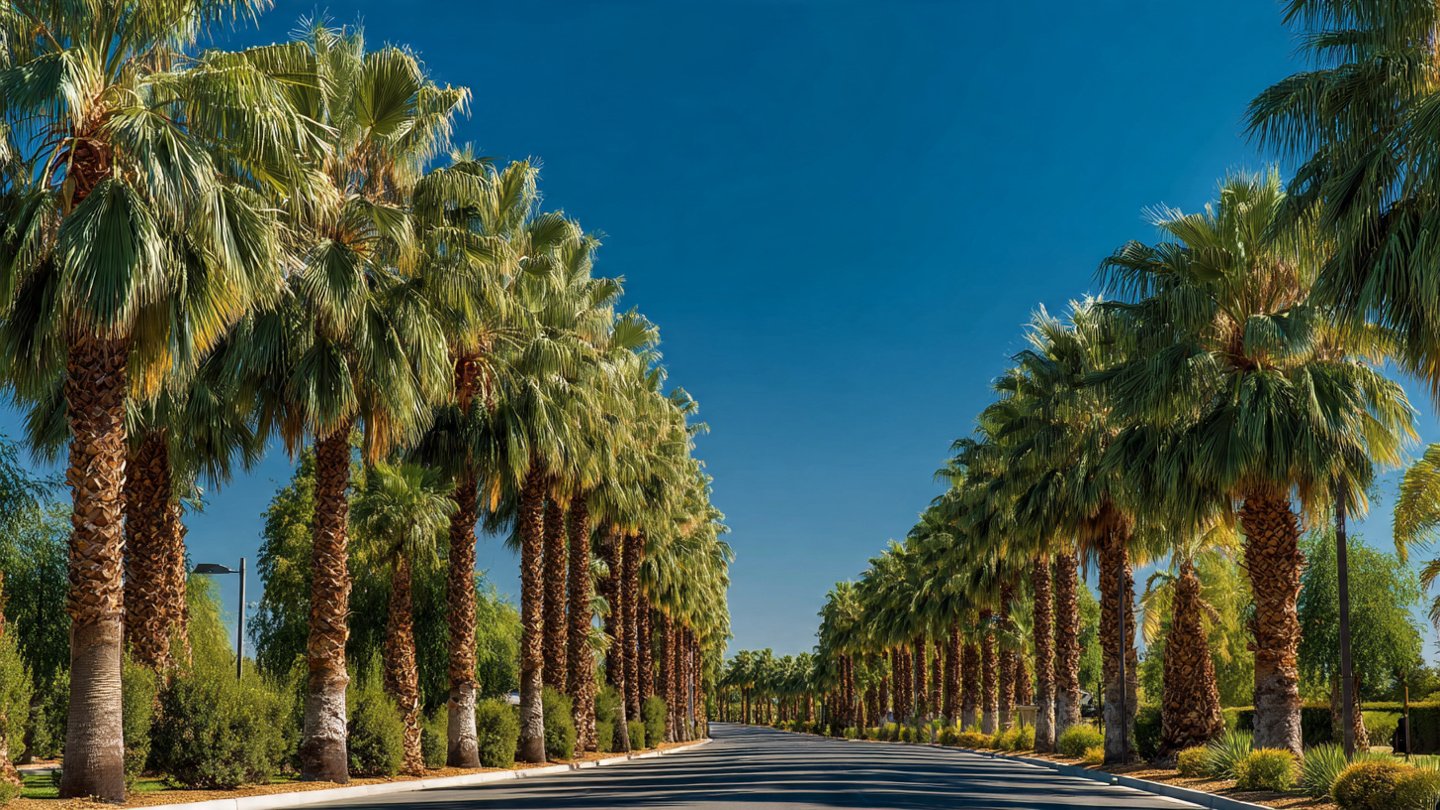
Queen palms (Syagrus romanzoffiana) are a popular choice for roadside plantations due to their majestic appearance and adaptability to various environmental conditions. With their tall, slender trunks and arching fronds, they provide a tropical aesthetic that enhances any landscape. When cultivated properly, queen palms can thrive and contribute significantly to roadside beautification, noise reduction, and air quality improvement. Here are some best practices for cultivating queen palms to ensure a thriving roadside plantation.
Understanding Queen Palms
Description
Queen palms are native to South America, particularly Brazil and Argentina. They can grow up to 50 feet tall and have feathery fronds that can extend up to 9 feet in length. Their distinctive features include a smooth trunk and yellow, clustered flowers that give rise to small, round fruits. They are fast-growing, making them suitable for quick landscape coverage.
Hardiness Zones
Queen palms flourish in USDA hardiness zones 9 to 11. They thrive in sunny environments and are tolerant of drought, though they prefer well-draining soil that can retain some moisture. Understanding the hardiness zone is crucial for successful cultivation.
Site Selection
Location
Choosing the right location for planting queen palms is essential. They require full sun for optimal growth. Consider areas that receive a minimum of six to eight hours of sunlight daily. Additionally, ensure that the palms will not be overshadowed by buildings or other trees as they mature.
Soil Quality
Queen palms prefer sandy, well-draining soils with a pH between 6.0 and 7.0. Conduct a soil test before planting to determine the nutrient content and pH level. Amend the soil as necessary to improve drainage and fertility. In areas with heavy clay soil, consider planting queen palms in raised beds to enhance drainage.
Drainage
Adequate drainage is vital for queen palms to prevent root rot. Areas that retain water after heavy rains should be avoided. If you cannot improve drainage in an area, consider using methods such as contouring or building a mound to elevate the root zone.
Planting Techniques
Timing
The best time to plant queen palms is during the spring or early summer when temperatures are warm, and the risk of frost has passed. This allows the palms to establish their root systems before the cooler months.
Planting Depth
When planting queen palms, ensure that the top of the root ball is level with the surrounding soil. Deep planting can suffocate the roots and lead to poor growth. After setting the palm in the hole, backfill with native soil and water well to remove air pockets.
Spacing
Space queen palms at least 10 to 15 feet apart to allow for their mature canopy and to ensure they have adequate access to sunlight and air circulation. This spacing helps mitigate the risk of disease spread and encourages healthy growth.
Watering Practices
Establishment Phase
During the first year after planting, queen palms require regular watering to establish their roots. Water deeply and infrequently, allowing the top inch of soil to dry out before the next watering. A good rule of thumb is to water once a week, adjusting for rainfall and humidity levels.
Mature Palms
Once established, queen palms are relatively drought-resistant and can survive on occasional watering. However, during particularly dry spells, it is essential to provide supplemental water to maintain their health. Overwatering is a common issue, so ensure the soil has dried out before adding more water.
Fertilization
Nutrient Requirements
Queen palms benefit from regular fertilization to support their fast growth. A balanced, slow-release fertilizer high in potassium and magnesium is ideal for promoting healthy frond and trunk development. Apply a fertilizer specifically formulated for palms, following the manufacturer’s instructions.
Application Schedule
Fertilize queen palms three times a year—early spring, mid-summer, and early fall. Avoid fertilizing in late fall or winter, as the palms will not actively absorb nutrients during the dormant season.
Pest and Disease Management
Common Pests
Queen palms are susceptible to various pests such as palm weevils, scale insects, and spider mites. Regular monitoring is essential for early detection. Use insecticidal soap or neem oil as a natural treatment method against these pests.
Disease Prevention
Root rot, particularly from overwatering, is a common issue with queen palms. To reduce the risk of root rot, practice good drainage management and avoid planting in poorly drained areas. Proper spacing also helps minimize humidity around the fronds, reducing the risk of fungal diseases.
Pruning and Maintenance
Pruning Techniques
Regular pruning is essential for maintaining the health and aesthetics of queen palms. Remove any dead or yellowing fronds by cutting them off at the base. This encourages healthy growth and prevents the spread of diseases. Pruning should be done carefully to maintain the palm’s natural shape.
Aesthetic Pruning
While aesthetic pruning is important, avoid cutting off too many fronds at once, as this can stress the palm and lead to unhealthy growth. A general rule is to leave several green fronds on the tree to support its metabolic processes.
Mulching
Benefits of Mulching
Applying a layer of organic mulch around the base of queen palms helps retain soil moisture, suppress weeds, and regulate soil temperature. Use materials like shredded bark or wood chips, but keep the mulch several inches away from the trunk to prevent rot.
Application
Spread a 2- to 3-inch layer of mulch in a circle around the base of the palm. Replenish the mulch as it breaks down to ensure continued effectiveness.
Seasonal Care
Winter Care
In colder climates, protect young queen palms from frost by covering them with burlap or frost cloth during extreme weather. For established palms, ensure adequate drainage to prevent ice from forming at the base.
Summer Care
Monitor for pests during hot summer months. Provide adequate water, especially during prolonged dry spells, to reduce stress on the palms.
Community and Environmental Impact
Queen palms not only enhance roadside landscapes but also provide a host of environmental benefits. They help absorb CO2, reduce air pollution, and provide habitats for local wildlife. Additionally, they can help reduce urban heat islands, making them a valuable asset to city planning and roadside design.
Conclusion
Cultivating queen palms for roadside plantations requires careful planning and management to ensure their success. By following these best practices—selecting the right site, using effective planting techniques, implementing proper watering and fertilization methods, managing pests and diseases, and maintaining the palms through regular pruning—you can create a thriving roadside environment. The aesthetic and environmental benefits that queen palms provide make them a worthy addition to any landscape.
FAQs
Q1: How often should I water my newly planted queen palms?
A: Initially, water your newly planted queen palms once a week, adjusting based on rainfall and humidity. Ensure the top inch of soil dries out between waterings.
Q2: Can queen palms survive in colder climates?
A: Queen palms thrive in USDA hardiness zones 9 to 11. In colder climates, protect young palms from frost and ensure proper drainage to prevent ice formation.
Q3: What pests are common in queen palms?
A: Common pests include palm weevils, scale insects, and spider mites. Regular monitoring and the use of natural treatments like neem oil can help manage infestations.
Q4: How can I improve soil drainage for queen palms?
A: Improve drainage by amending heavy clay soil with sand or organic matter. Alternatively, consider planting in raised beds or mounds to elevate the root zone.
Q5: How important is fertilization for queen palms?
A: Fertilization is vital for the growth of queen palms. Use a slow-release, potassium-rich fertilizer three times a year to promote healthy fronds and trunk development.
Q6: When is the best time to prune queen palms?
A: Prune queen palms during the growing season (spring to early fall), removing dead or yellowing fronds to encourage healthy growth and maintain aesthetics.