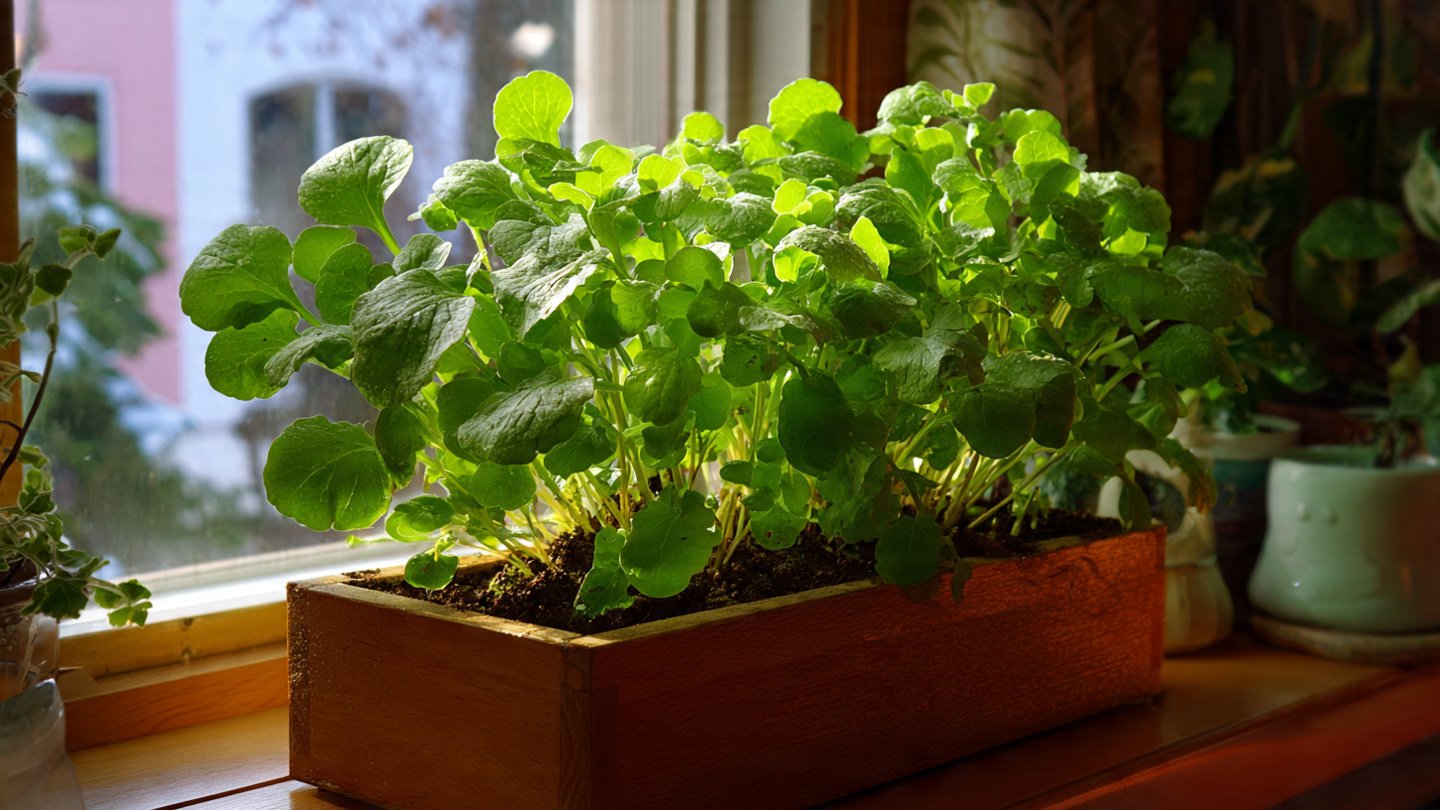
Growing your own vegetables can be a rewarding endeavor, offering not only fresh produce but also the joy of nurturing plants. Among the many vegetables you can grow indoors, radish greens are a fantastic choice. They’re quick to germinate, easy to care for, and packed with nutrients. This article will provide a comprehensive guide on how to cultivate radish greens indoors all year round, exploring everything from choosing the right variety to care tips, benefits, and frequently asked questions.
Why Choose Radish Greens?
Radish greens are the leafy tops of radishes, often overlooked compared to the root vegetable. However, these greens are highly nutritious, rich in vitamins A, C, and K, and possess a mild peppery flavor that can enhance salads, soups, and sandwiches. By growing radish greens indoors, you get to enjoy fresh foliage within just a few weeks, making them an ideal choice for urban gardeners or those with limited outdoor space.
Benefits of Growing Radish Greens Indoors
- Quick Harvest: Radish greens can be harvested in as little as three weeks, making them one of the fastest indoor crops.
- Nutritional Value: Radish greens are nutrient-dense, providing a great source of vitamins that support overall health.
- Space-Efficient: They require minimal space, making them suitable for small apartments or homes.
- Year-Round Growth: You can grow them anytime, which is especially advantageous during the winter months when fresh produce may be scarce.
- Low Cost: Compared to store-bought greens, growing your own can be much more economical, especially if you use leftover seeds from radish plants.
Choosing the Right Radish Variety
When it comes to growing radish greens, choosing the right variety is crucial. Some radishes are bred primarily for their roots, while others are designed especially for their greens.
Recommended Varieties
- Daikon Radish: This variety produces large, lush greens that are excellent for salads and stir-fries.
- French Breakfast Radish: Known for its elongated shape and subtle flavor, the greens are also delicious.
- Black Radish: While its root is sharp in flavor, the greens are mild and can add a unique texture to dishes.
- Cherry Belle: A popular variety, these radishes have small, round shapes and quick-growing greens.
When selecting seeds, you can often find “greens-only” varieties specifically bred for abundant leaf production, which can be particularly rewarding.
Supplies You’ll Need
- Containers: Use shallow trays or pots with good drainage. Ensure that they are at least 4–5 inches deep.
- Soil: A high-quality, well-draining potting mix is ideal. You can also add compost for enhanced nutrients.
- Seeds: Choose high-quality radish seeds based on your preferred variety.
- Light Source: Natural light is best, but if that’s insufficient, consider grow lights.
- Watering Can or Spray Bottle: For consistent moisture without overwatering.
- Fertilizer: An organic all-purpose fertilizer can help boost growth, although this is often optional.
Step-by-Step Guide to Growing Radish Greens Indoors
Step 1: Prepare the Containers
- Choose your container: Make sure it has drainage holes to prevent waterlogging. You can opt for a commercial planter or even repurpose containers like old yogurt cups or small bins.
- Fill with soil: Add potting mix up to an inch from the top of the container. The soil should be loose enough for the roots to grow easily.
Step 2: Sow the Seeds
- Spacing: Scatter radish seeds on the soil surface. For an even harvest, space them about an inch apart. Don’t worry if they seem crowded; they can be thinned out later.
- Cover the seeds: Lightly cover the seeds with a light layer of soil, about ¼ inch deep, and gently press down to ensure good contact with the soil.
Step 3: Watering
- Initial watering: Use a spray bottle to moisten the soil thoroughly, avoiding over-saturation. Aim for dampness, not sogginess.
- Consistent moisture: Keep the soil consistently moist during germination, but make sure not to let it dry out.
Step 4: Light Requirements
- Natural light: Place your containers in a south-facing window that receives plenty of sunlight for 6-8 hours a day.
- Supplemental lighting: If natural light is limited, use grow lights positioned 6-12 inches above the plants for about 12-14 hours a day.
Step 5: Thinning the Greens
- Thinning: Once the radish greens are about 2 inches tall, thin them out to ensure adequate space for growth. Remove the weakest seedlings, leaving the healthiest ones with about 4-6 inches of space between them.
Step 6: Fertilizing (Optional)
- Boosting growth: If the greens appear to be growing slowly, apply a diluted liquid organic fertilizer once a week. Follow the instructions on the label to avoid over-fertilization.
Step 7: Harvesting
- Timing: You can begin harvesting radish greens about 3 weeks after germination. The best time to harvest is before they flower, usually when they reach 4-6 inches tall.
- Method: Snip the leaves off at the base with scissors, allowing the plant to continue growing. You can harvest multiple times as long as you leave some leaves intact for regrowth.
Caring for Your Radish Greens
- Watering: Maintain consistent moisture without over-saturating the soil. Radish greens are sensitive to drought and can wilt quickly.
- Temperature: Radish greens prefer cooler temperatures between 60-70°F (15-21°C). Extreme heat can stress the plants and lead to rapid flowering.
- Pest Control: Although indoor plants are less likely to be infested, keep an eye out for aphids or spider mites. If you spot any, remove them with a gentle spray of water or an insecticidal soap.
Challenges You May Encounter
- Leggy Growth: This can happen if there isn’t enough light; ensure your plants are getting adequate sunlight or proper grow light.
- Disease: Watch for signs of mold or root rot, which can occur in overly wet conditions. Ensure proper drainage and adjust watering practices.
- Flavor: If the greens become too bitter, it may indicate stress due to environmental factors such as heat or lack of nutrients.
FAQs
1. How long does it take to grow radish greens from seed?
Radish greens typically take about 3 to 4 weeks from seed to harvest, depending on the variety and growing conditions.
2. Can I grow radish greens from leftover radish tops?
Yes! You can regrow radish greens from the tops of radishes. Place the cut tops in a shallow dish with water and set them in indirect sunlight. Change the water daily, and new greens will sprout.
3. Do radish greens need a lot of light?
Yes, radish greens need 6-8 hours of light per day. If natural sunlight is insufficient, consider using grow lights.
4. How often should I water radish greens?
Water radish greens whenever the top inch of soil feels dry. Consistent moisture is key, but avoid waterlogging the soil.
5. What can I do with harvested radish greens?
Radish greens can be used in salads, stir-fries, soups, pestos, or juiced for added nutrition. Their mild flavor makes them versatile in many dishes.
6. Can radish greens be grown hydroponically?
Absolutely! Radish greens can thrive in a hydroponic system, using water and nutrient solutions for growth.
Conclusion
Cultivating radish greens indoors is an accessible and rewarding activity that anyone can enjoy. With minimal space, time, and investment, you can produce a steady supply of nutritious greens all year round. By following the steps outlined in this guide, you’ll be on your way to enjoying fresh radish greens that enhance your meals and boost your health.
So why wait? Get started on your indoor garden today and experience the joys of home-grown produce!