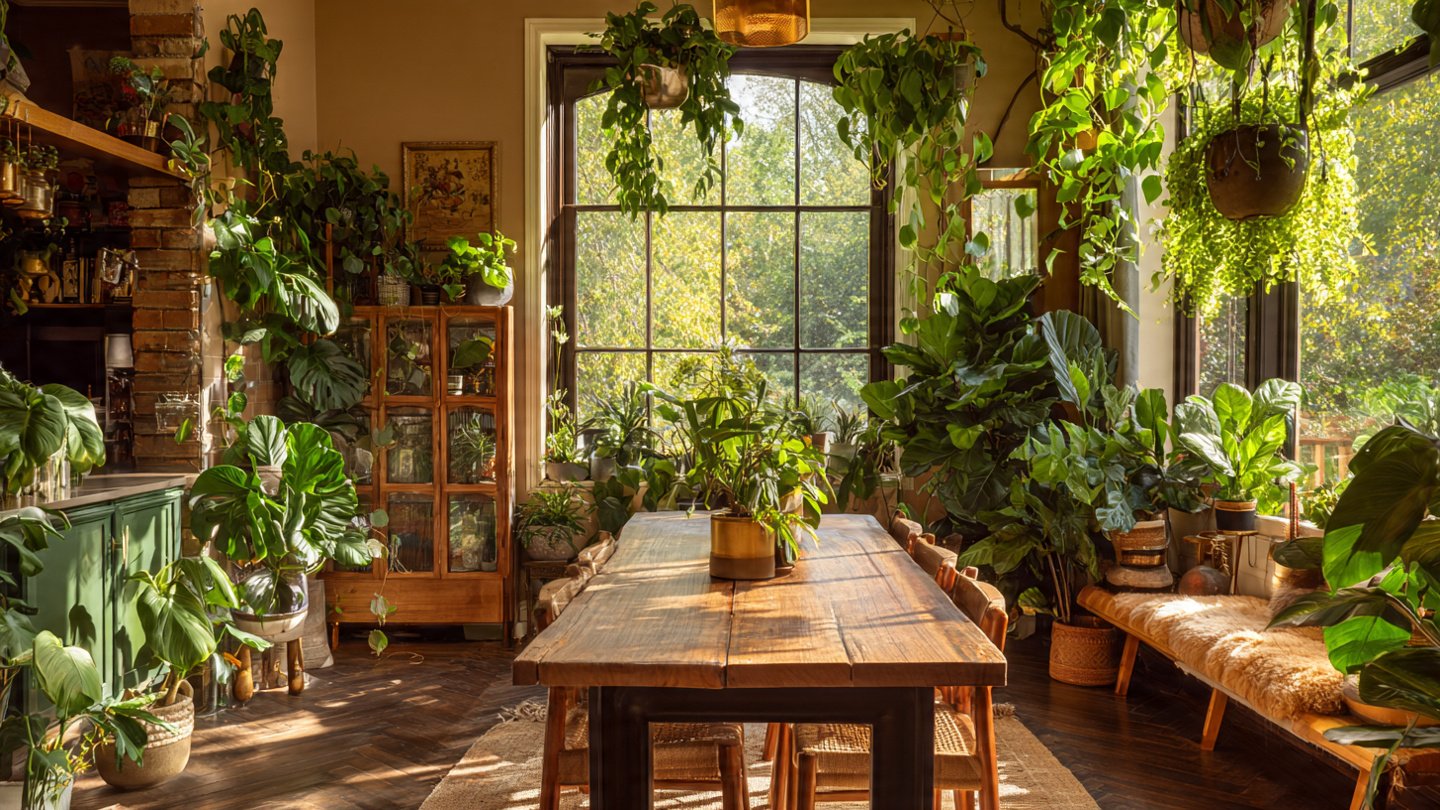
Indoor plants have gained extraordinary popularity in recent years, transcending mere decoration to become essential components of our homes. They improve air quality, enhance aesthetics, and even boost mental health. Whether you’re a seasoned plant parent or a novice looking to start your indoor garden, this guide will provide everything you need to grow vibrant indoor plants that thrive in any environment.
Why Choose Indoor Plants?
1. Air Quality Improvement
Indoor plants are natural air purifiers. They absorb carbon dioxide and release oxygen. Some species, like the peace lily and snake plant, are especially effective at removing toxins such as formaldehyde and benzene from the air.
2. Mental Health Benefits
Studies suggest that having plants indoors can help reduce stress and anxiety. The act of nurturing a living organism can be therapeutic, providing a sense of responsibility and accomplishment.
3. Aesthetic Appeal
Plants bring life and color to any space. They can accentuate a room’s decor, soften harsh edges, and create a more inviting atmosphere.
4. Humidity Regulation
Houseplants release moisture into the air through a process called transpiration, which can help maintain a comfortable humidity level, especially in dry climates or during winter months.
Choosing the Right Indoor Plants
1. Consider Lighting Conditions
Different plants have varying light requirements. Assess how much natural light your space receives:
- Low Light: Look for pothos, ZZ plants, or snake plants.
- Medium Light: Consider peace lilies, spider plants, or philodendrons.
- Bright, Indirect Light: Options include succulents, fiddle leaf figs, and calatheas.
2. Assess Space and Size
Evaluate how much space you have. Large plants like rubber trees can grow quite tall, while compact species like succulents and air plants are perfect for smaller areas.
3. Maintenance Level
Understand your commitment level. If you’re busy or new to plants, choose low-maintenance varieties. Conversely, if you truly enjoy gardening, opt for more demanding species.
Essential Indoor Plant Care Tips
1. Watering
Overwatering is the most common mistake new plant owners make. Here are some tips for effective watering:
- Check Soil Moisture: Use your finger to test the soil about an inch deep. If it feels dry, it’s time to water.
- Drainage: Ensure pots have drainage holes to prevent water from pooling at the bottom.
- Water Thoroughly: When you water, make sure to saturate the soil until water drains from the bottom, promoting healthy root growth.
2. Lighting
Correct lighting is crucial for plant health:
- Rotate Plants: Turn your pots every few weeks to ensure even growth and prevent one side from stretching toward the light.
- Supplements: In low light conditions, consider using grow lights to provide additional illumination.
3. Humidity and Temperature
Most indoor plants prefer humidity levels of 40-60% and temperatures between 65-75°F (18-24°C):
- Humidity Trays: Place water-filled trays with pebbles beneath your pots to create humidity.
- Avoid Drafts: Keep your plants away from drafty windows, heating vents, or air conditioning units.
4. Fertilizing
Houseplants require nutrients to thrive:
- Fertilize during Growing Season: In spring and summer, use a balanced, water-soluble fertilizer every 4-6 weeks.
- Adjust in Fall and Winter: During the dormant season, reduce feeding to once every few months.
5. Repotting
Repotting is essential as your plants grow to ensure they continue thriving:
- Signs of Overgrowth: Roots growing through drainage holes or signs of stunted growth indicate it’s time to repot.
- Choosing the Right Pot: Move your plant to a slightly larger pot with fresh soil, providing additional nutrients and space for growth.
Popular Indoor Plants and Their Care
1. Pothos (Epipremnum aureum)
- Light: Low to bright indirect light
- Water: Every 1-2 weeks
- Humidity: Tolerates low humidity
2. Peace Lily (Spathiphyllum)
- Light: Low to medium light
- Water: Weekly; ensure soil is kept moist
- Humidity: Prefers higher humidity
3. Snake Plant (Sansevieria)
- Light: Low to indirect bright light
- Water: Allow soil to dry out completely between waterings
- Humidity: Very tolerant; thrives in various conditions
4. Fiddle Leaf Fig (Ficus lyrata)
- Light: Bright, indirect sunlight
- Water: Allow the top inch of soil to dry out
- Humidity: Prefers humid conditions; mist regularly
5. Spider Plant (Chlorophytum comosum)
- Light: Moderate to bright indirect light
- Water: Keep soil slightly moist; do not overwater
- Humidity: Tolerates low humidity
Troubleshooting Common Indoor Plant Problems
1. Yellowing Leaves
- Symptoms: Leaves become yellow and may drop.
- Causes: Usually linked to overwatering or poor drainage.
- Solution: Check soil moisture and adjust watering habits.
2. Brown Leaf Tips
- Symptoms: Tips of leaves turn brown and crispy.
- Causes: Could indicate underwatering, low humidity, or nutrient deficiency.
- Solution: Increase humidity and adjust watering routine.
3. Pests
- Common Pest Types: Spider mites, aphids, and mealybugs.
- Solution: Treat with insecticidal soap or neem oil spray.
Creating an Indoor Plant Sanctuary
Transforming your home into a green sanctuary can be both a rewarding and enjoyable experience. Here are some tips for maximizing your indoor plant space:
1. Group Plants Together
Creating clusters of plants can enhance humidity levels and create a lush, vibrant display.
2. Use Plant Stands
Elevating plants with stands can add dimension and make maintenance easier.
3. Consider Vertical Gardens
If space is limited, explore vertical gardening solutions such as wall-mounted planters.
4. Get Creative with Containers
Mix and match pots of different sizes, colors, and materials to create a visually appealing setup.
5. Incorporate Planters into Furniture
Look for furniture pieces with built-in planters to integrate greenery seamlessly into your decor.
FAQ Section
1. How often should I water my indoor plants?
Watering frequency depends on the type of plant, season, and humidity. A general rule is to water when the top inch of soil feels dry.
2. What is the best fertilizer for indoor plants?
A balanced water-soluble fertilizer works well for most houseplants. Look for one with equal parts nitrogen, phosphorus, and potassium.
3. How can I tell if my plant needs repotting?
Signs include roots growing through the drainage holes, water pooling on top of the soil, or stunted growth.
4. What are some low-maintenance indoor plants?
Pothos, ZZ plants, and snake plants are ideal for beginners due to their resilience and minimal care requirements.
5. Can indoor plants live in low light?
Yes, many plants thrive in low light conditions, including snake plants, pothos, and peace lilies.
6. How do I manage pests on my indoor plants?
Isolate affected plants asap, and treat them with insecticidal soap or neem oil. Regularly inspect your plants for pests to catch any problems early.
By embracing the world of indoor plants, you increase the beauty and positivity in your home. With this guide, you’re well on your way to becoming a successful plant parent, nurturing a jungle of vibrant greenery right at your fingertips. Happy planting!