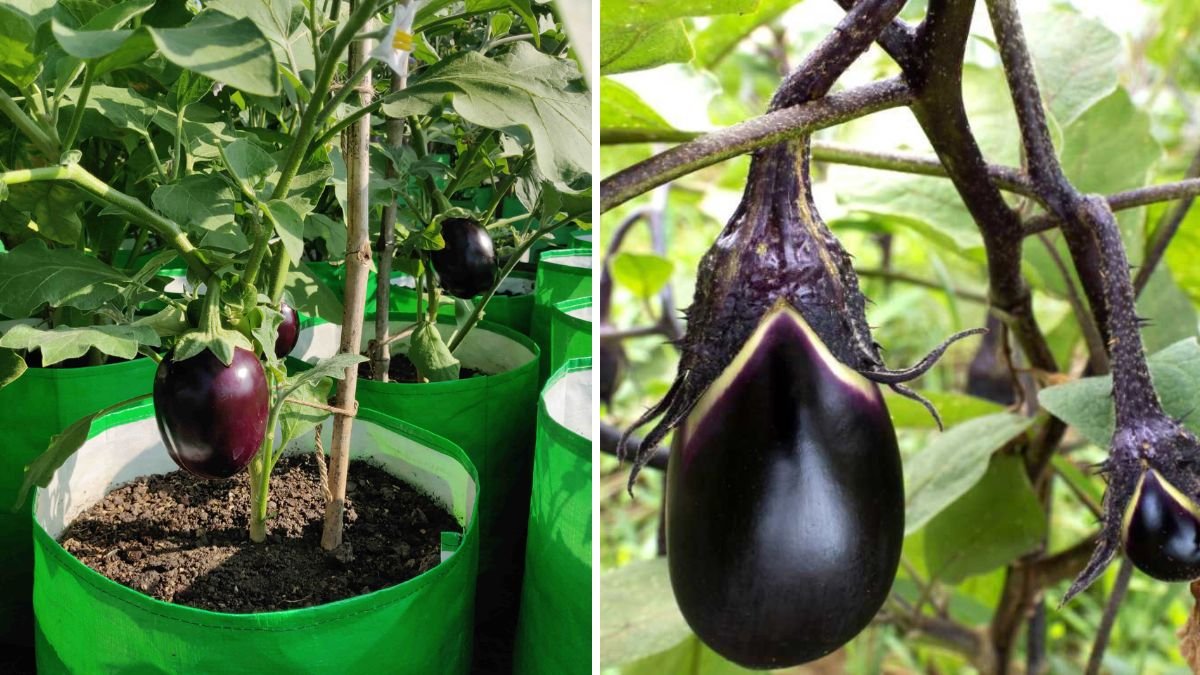
Brinjal—also known as eggplant or baingan—is one of the easiest and most rewarding vegetables to grow at home, especially in a top/bucket/container. Whether you live in a small apartment or have a spacious backyard, brinjal plants adapt beautifully to limited spaces and produce abundant, glossy fruits. With just a little care, you can enjoy fresh, organic brinjals right from your home garden.
In this detailed 1200-word guide, you’ll learn everything you need to cultivate brinjals in containers—soil mix, seed selection, watering schedule, fertilizer routine, pest control, and harvesting tips.
🌿 1. Choosing the Right Variety
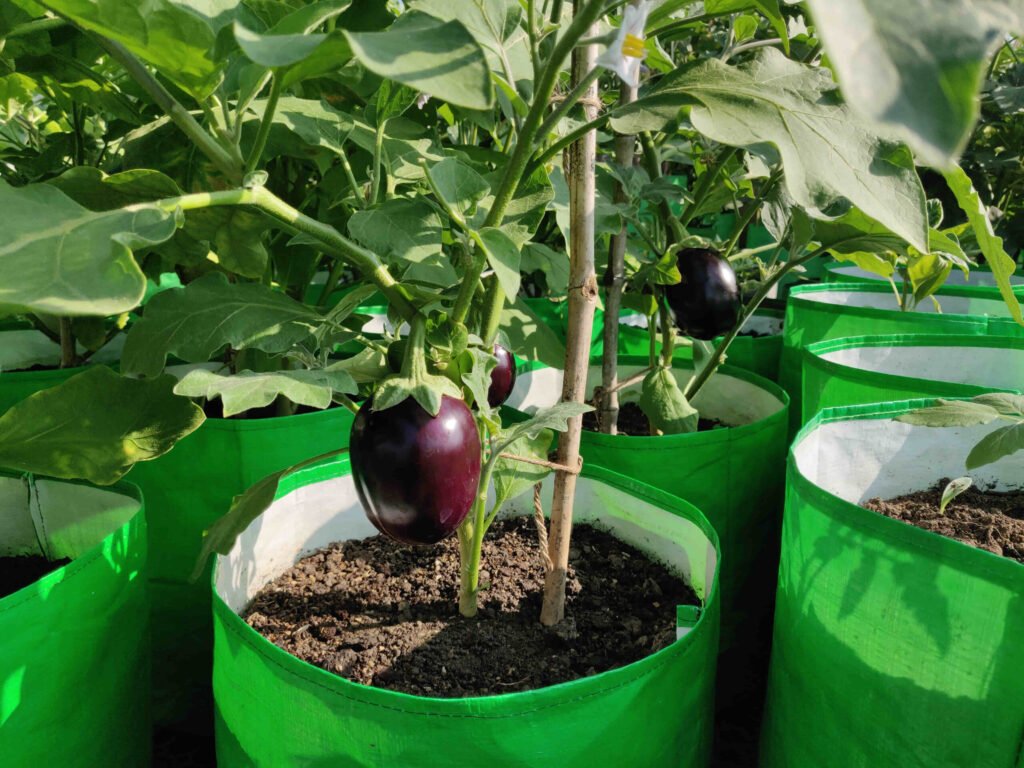
Before planting, deciding the variety is essential. Some brinjal types grow well in containers:
✔ Best Container-Friendly Varieties
- Long Purple Brinjal
- Round Green Brinjal
- Black Beauty
- Thai Small Brinjals
- Striped Varieties (Variegated)
These varieties produce well even in small spaces and are disease-resistant.
🌿 2. Selecting the Right Container (Top)
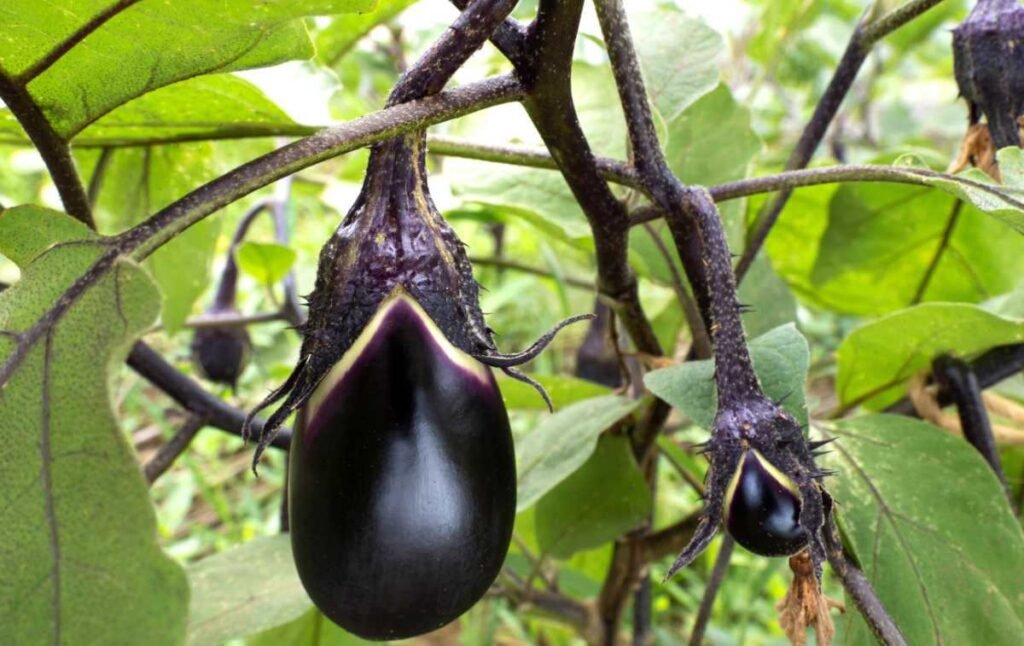
Brinjal grows a deep root system, so container size matters.
✔ Ideal Container Size
- Minimum: 12–15 inches deep
- Width: 12 inches or more
- Material: Plastic tubs, grow bags, clay pots, or buckets
✔ Drainage Is Key
Make 6–8 holes at the bottom to avoid root rot.
🌿 3. Preparing the Perfect Soil Mix
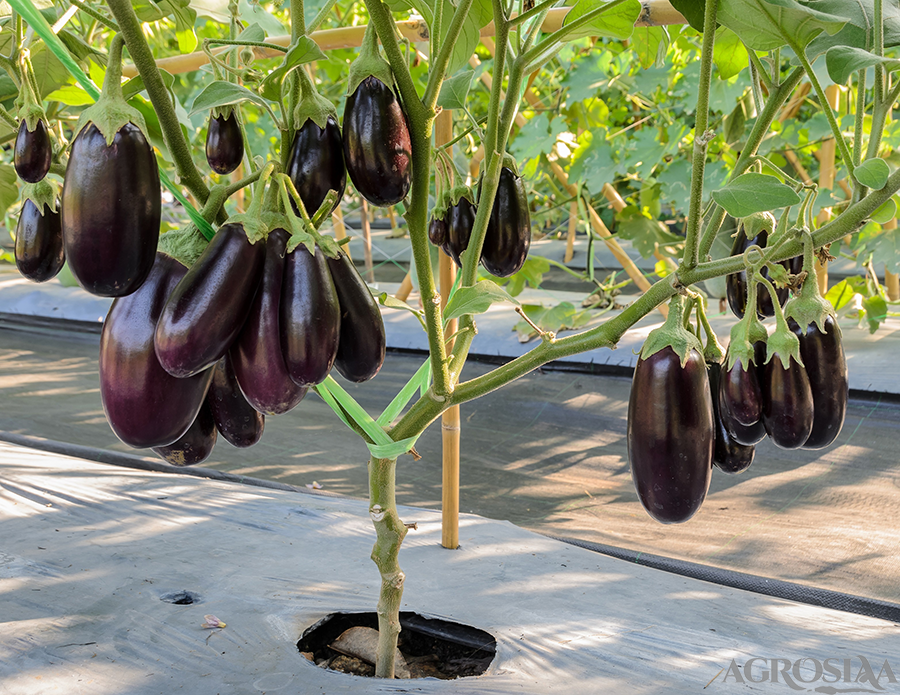
Brinjal loves light, loose, fertile soil. A nutrient-rich mix ensures large fruits and strong growth.
✔ Best Soil Mix Formula
- 40% garden soil
- 30% compost (cow dung/vermicompost)
- 20% cocopeat
- 10% sand
✔ Add Extra Boost
- 1 handful neem cake powder
- 1 teaspoon bone meal or mustard cake
- A pinch of trichoderma for fungal protection
This mix ensures proper aeration, water retention, and nutrients.
🌿 4. Starting from Seeds (Germination)
If you want to grow from seeds:
✔ How to Germinate
- Take a small tray or cup.
- Fill with light soil mix.
- Sow seeds ½ inch deep.
- Water lightly.
- Keep in semi-shade for 7–10 days.
✔ Seedlings are ready when
- They are 3–4 inches tall
- Have 4–5 true leaves
🌿 5. Transplanting Seedlings
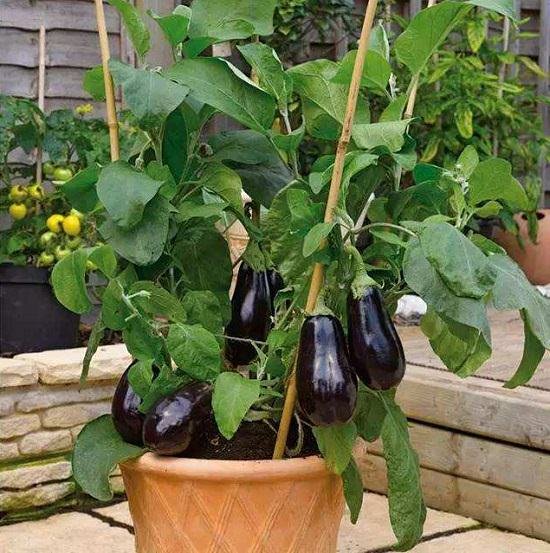
Transplant on the 15th–20th day.
✔ Steps
- Fill your container with prepared soil.
- Make a 3–4 inch hole.
- Gently remove seedling without damaging roots.
- Plant and firm the soil.
- Water slowly.
Keep the pot in a shaded area for 2 days, then move to full sunlight.
🌿 6. Sunlight Requirements
Brinjal loves the sun!
✔ Sunlight Needed
- 5–6 hours minimum
- Full sun = faster growth + more flowers
If sunlight is less, the plant becomes leggy and produces fewer brinjals.
🌿 7. Watering Schedule
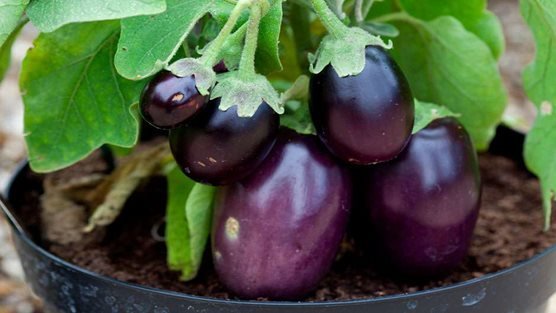
Overwatering is the biggest enemy of brinjals.
✔ Watering Guide
- Water only when the topsoil is dry
- In summer: every day or every alternative day
- In winter: twice a week
✔ Important
Never let water accumulate—brinjal roots rot easily.
🌿 8. Fertilizing for Heavy Yield
Brinjal is a heavy feeder—proper nutrition means more fruits.
✔ Fertilizer Routine
Day 1 (Planting): Add compost and neem cake
After 15 days:
- Add 2 handfuls vermicompost
- 1 tablespoon mustard cake liquid
Repeat every 15 days
✔ Optional Boosts
- Banana peel water (for potassium)
- Epsom salt (1 tsp in 1 liter water once a month)
🌿 9. Supporting the Brinjal Plant
As the plant becomes heavy with fruit, it may bend.
✔ Use Stakes
- Tie the plant to a bamboo stick
- Keep it upright for healthy fruiting
🌿 10. Flower to Fruit Transition
Brinjal flowers look beautiful but sometimes drop.
✔ To Prevent Flower Drop
- Ensure full sunlight
- Maintain consistent watering
- Avoid overfertilization
- Spray seaweed extract once a month
Pollination happens naturally, but you can help by gently shaking the plant.
🌿 11. Common Pests & Natural Remedies
✔ Pests That Attack Brinjal
- Aphids
- Whiteflies
- Leaf miners
- Fruit borers
✔ Natural Solutions
1. Neem Oil Spray
- Mix 5 ml neem oil + 1 liter water + few drops soap
- Spray every 7 days
2. Garlic-Chili Spray
- Repels insects naturally
3. Remove Affected Leaves
- Prevent spreading of pests
Avoid chemical pesticides on home-grown veggies.
🌿 12. Harvesting Time
Brinjals are ready in 70–90 days after planting.
✔ Signs of Readiness
- Fruit is firm
- Shiny and glossy skin
- Not too large (big ones taste bitter)
Use scissors to cut, don’t pull—branches may break.
🌿 13. Benefits of Homegrown Brinjals
- 100% chemical-free
- Fresh and flavourful
- Cost-effective
- Beautiful addition to your garden
- Great for curries, fries, and bharta
🌿 14. Tips for Continuous Production
- Remove overripe fruits
- Add compost regularly
- Keep the plant in full sun
- Watch for pests weekly
With proper care, one plant can give 20–40 brinjals!
🌿 Conclusion
Growing brinjals at home in containers is not only easy but extremely rewarding. With the right soil mix, proper sunlight, and regular fertilizers, you can enjoy a healthy harvest of organic eggplants straight from your balcony or terrace.
Container gardening allows anyone—beginner or expert—to experience the joy of fresh vegetables. So pick up a pot, prepare your soil, and start your brinjal cultivation journey today!