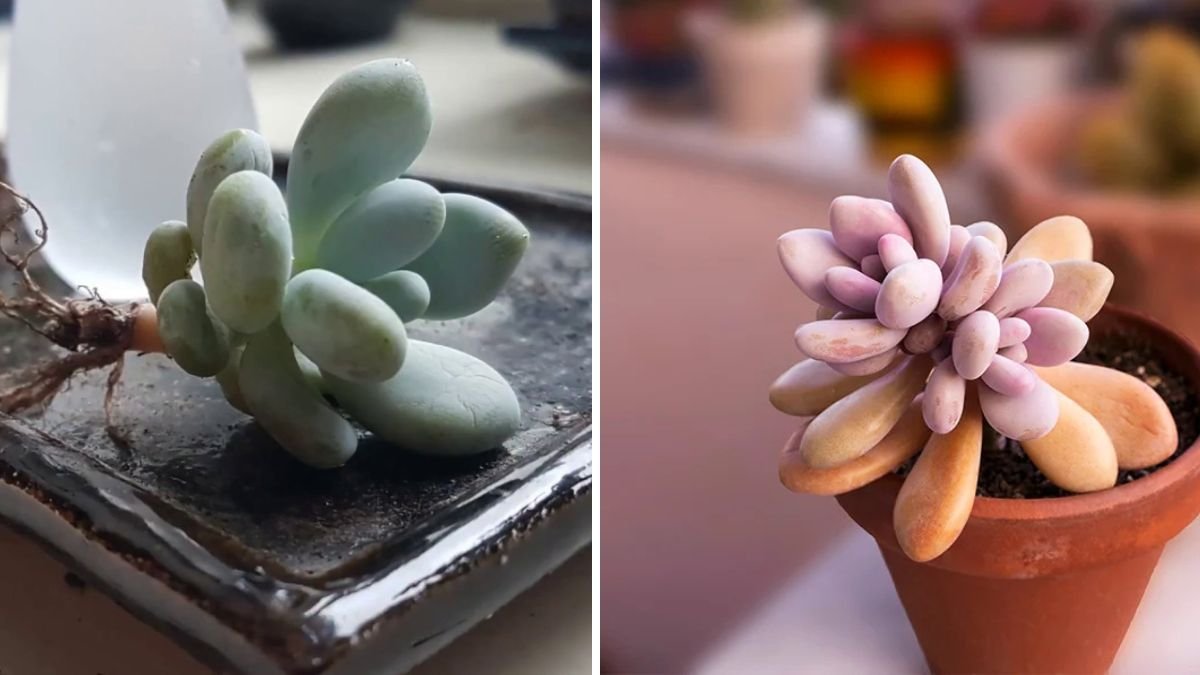
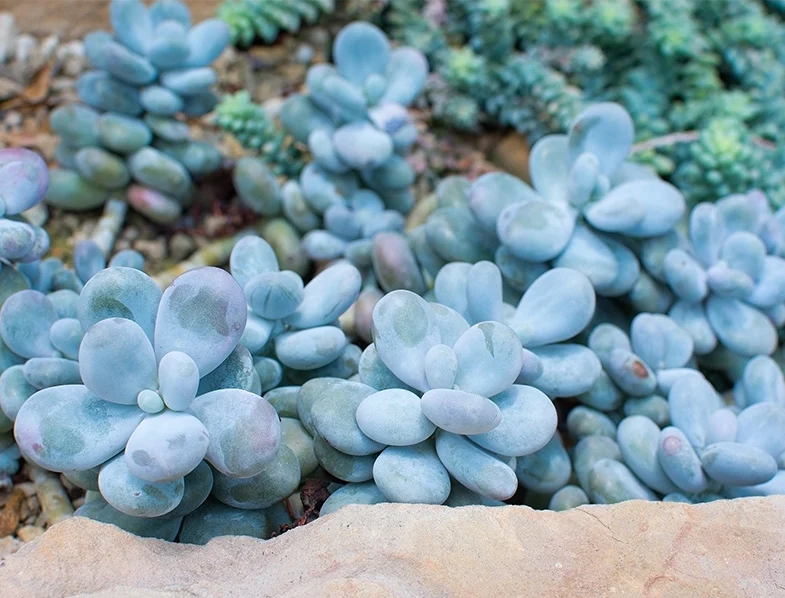
Succulents have taken over modern gardening with their unique shapes, stunning colors, and minimal-care requirements. Among them, Pachyphytum oviferum, famously known as Moonstone succulent, is one of the most eye-catching. Its plump, powdery leaves look like pastel pebbles—making it a favorite for home gardeners and indoor plant enthusiasts.
The best part? You can easily propagate Pachyphytum oviferum using cuttings, allowing you to multiply your plant collection or create beautiful gifts for friends. This guide will walk you through simple, effective cutting ideas and complete care tips to ensure your Moonstone succulents grow healthy and vibrant.
🌱 Understanding Pachyphytum Oviferum: The Moonstone Beauty
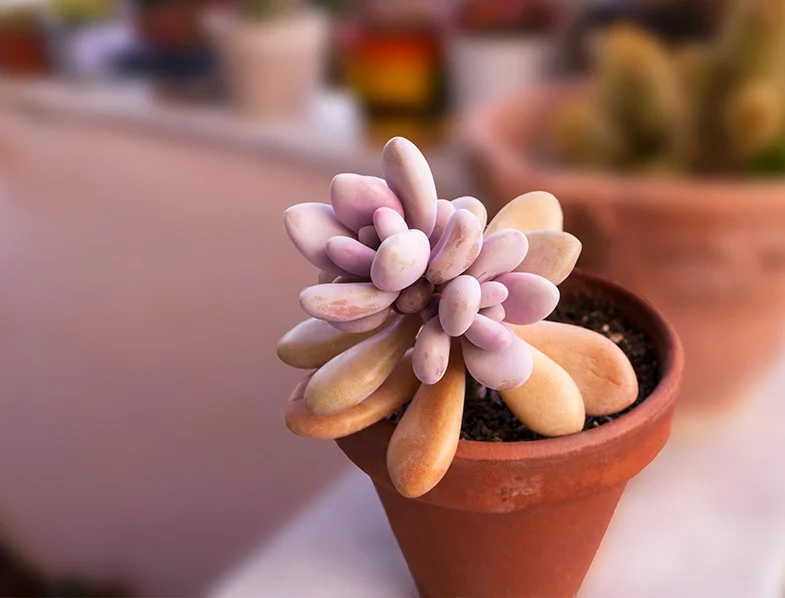
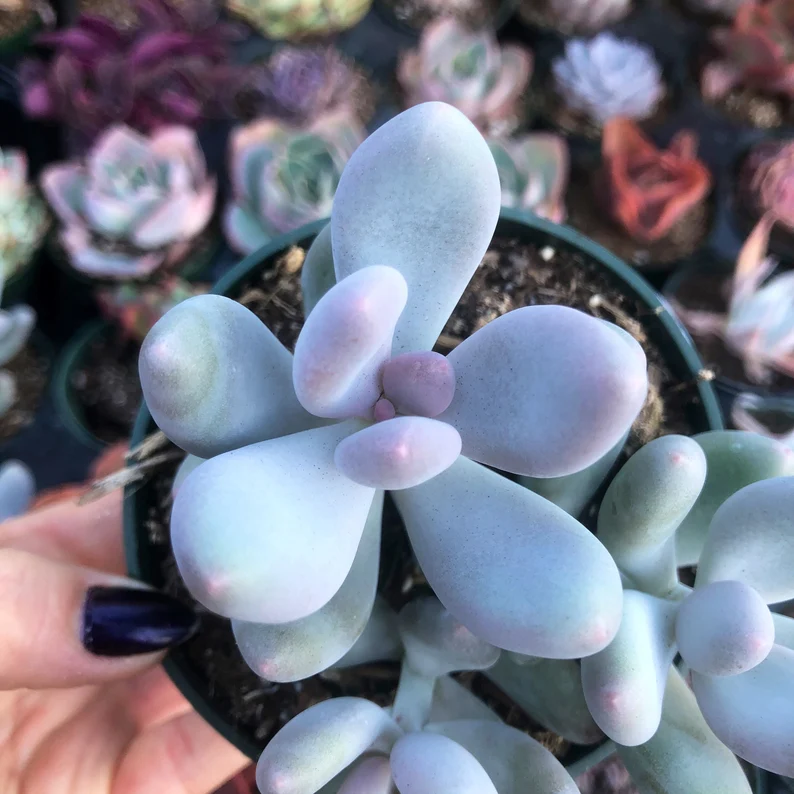
Pachyphytum oviferum is a Mexican succulent recognized for:
- Rounded, plump leaves
- Silvery-blue, pinkish, or purple tones
- Thick powdery coating called “farina”
- Compact rosette shape
- Slow-growing habit
This plant thrives with minimal attention, making it perfect for beginners. Its leaves can be easily used for leaf propagation, while its stems allow for stem cuttings, offering multiple propagation methods.
🌿 Why Propagate Pachyphytum Oviferum?
Propagation is not just fun—it’s smart gardening. Here’s why:
✔ Grow more plants for free
A single succulent can turn into many.
✔ Save a damaged or stretched plant
Cuttings help revive leggy or sunburnt Moonstones.
✔ Create beautiful arrangements
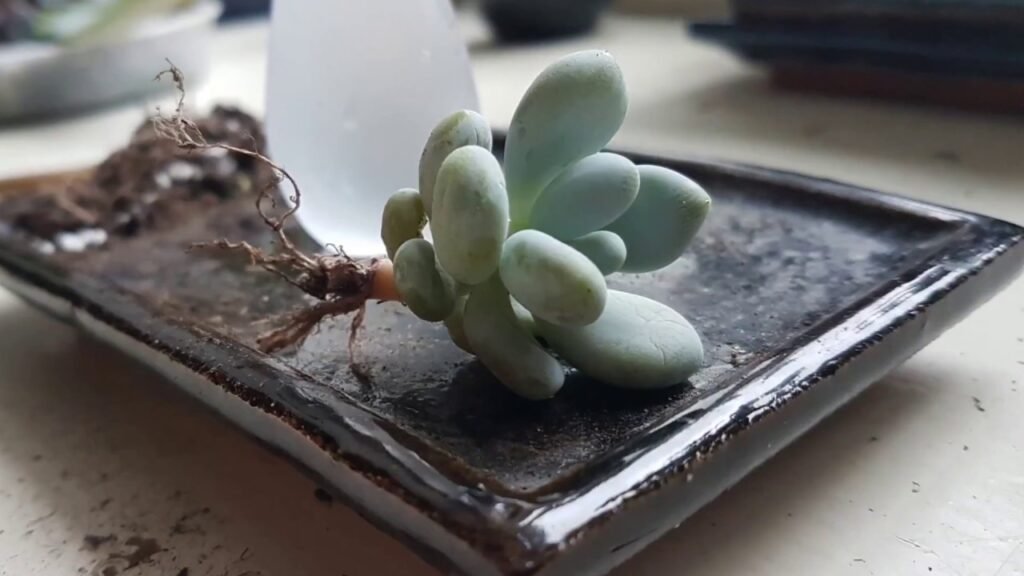
Moonstones pair well with cacti, echeverias, jade plants, and string succulents.
✔ Gift natural décor
Homemade succulent pots make thoughtful, long-lasting gifts.
🌱 Propagation Methods: Which One to Choose?
There are two highly successful ways to propagate Pachyphytum oviferum:
- Leaf Cuttings
- Stem Cuttings
Both methods work well, but each suits different situations. Let’s explore them in detail.
🌿 1. Leaf Cutting: The Easiest and Most Popular Method
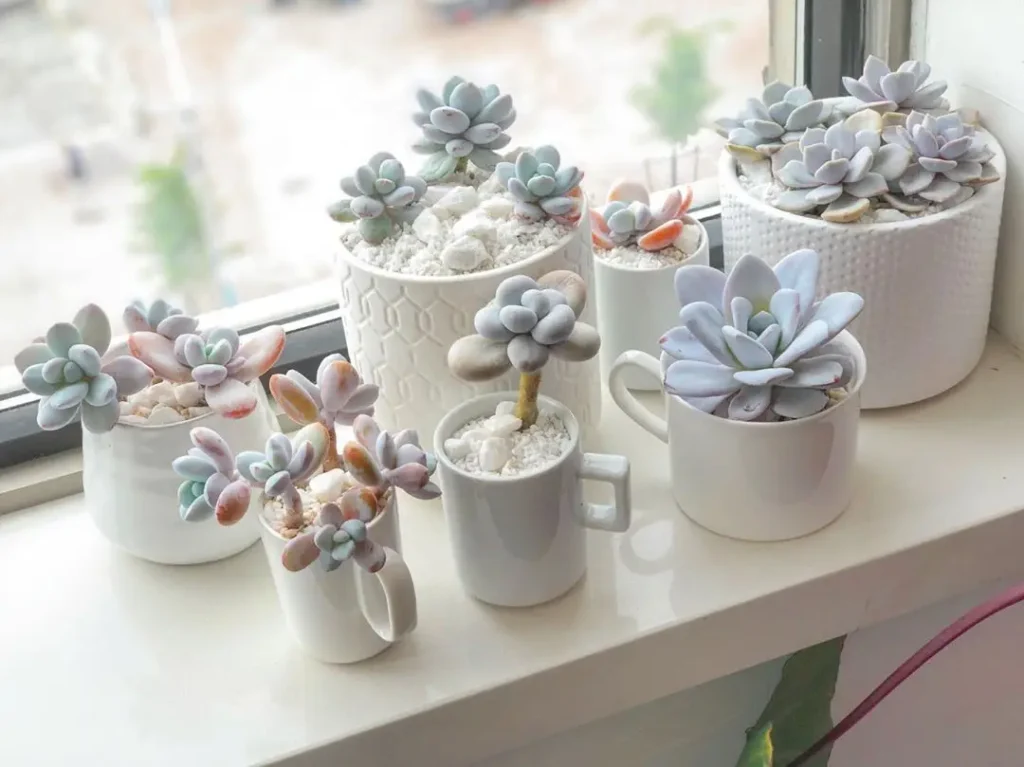
Leaf propagation is perfect when you have fallen leaves or want to create many new plants.
How to Take Leaf Cuttings
Step 1: Choose a healthy leaf
Pick a plump, shiny leaf—not wrinkled or damaged.
Step 2: Twist gently
Hold the leaf close to the stem and twist slowly until it comes off cleanly.
A clean “heel” improves rooting chances.
Step 3: Let it callus
Leave the leaf in a shaded airy place for 2–4 days.
Callusing prevents rot when placed in soil.
Rooting the Leaf
Step 4: Prepare soil
Use a fast-draining succulent mix:
- 50% garden soil
- 30% sand or perlite
- 20% cocopeat
Step 5: Place the leaf on top of soil
Do NOT bury it. Just lay it flat.
Step 6: Mist lightly
Mist once every 2–3 days. Keep slightly moist—never wet.
What to Expect
- Roots develop in 2–4 weeks
- Baby plant (pup) grows in 4–6 weeks
- Original leaf dries up slowly—that’s normal
Leaf propagation takes time, but it’s rewarding. You’ll get a mini Moonstone that slowly grows into a full rosette.
🌱 2. Stem Cutting: Best for Leggy or Tall Plants
If your Moonstone is stretched (due to low light), stem cuttings are the perfect way to reset growth.
How to Take a Stem Cutting
Step 1: Choose a healthy stem
Select a stem with at least 5–7 leaves.
Step 2: Use a clean, sharp knife or scissors
Sterilize with rubbing alcohol.
Step 3: Leave the cutting to callus
Place the cutting upright in a cool, dry room for 3–5 days.
Rooting the Stem Cutting
Step 4: Prepare a pot
Use a small pot with drainage holes. Fill with succulent mix.
Step 5: Plant the cutting
Insert the callused end 1 inch deep into soil.
Step 6: Avoid watering for 5–7 days
This prevents rot.
Growth Timeline
- Roots appear within 2–3 weeks
- New leaf growth begins after 1 month
- Full establishment takes 2–3 months
Stem cuttings grow faster than leaf propagation.
🌿 Best Soil Mix for Healthy Moonstones
Moonstones hate wet feet. Use a well-drained mix:
Recommended Recipe:
- 40% cactus mix
- 30% pumice / perlite
- 20% coarse sand
- 10% cocopeat
You can also add crushed charcoal to prevent fungal growth.
🌱 Light Requirements
Light is key to getting vibrant colors.
✔ Bright, indirect sunlight for 4–6 hours/day
A sunny window or balcony is perfect.
✔ Avoid harsh midday sun
This can burn leaves and damage farina coating.
✔ Indoor growers should use grow lights
Especially in low-light rooms.
🌿 Watering: The Golden Rule
Watering must be done carefully.
Follow the Soak & Dry Method:
- Water deeply
- Let soil dry completely
- Then water again
Watering Frequency:
- Summer: Once every 10–12 days
- Winter: Once every 20–25 days
Overwatering is the #1 killer of Moonstones.
🌱 Potting & Repotting Tips
- Use clay or ceramic pots—they improve air circulation.
- Repot only once in 2 years.
- Avoid touching the leaves; farina does not grow back.
🌿 Common Problems & Fixes
1. Leaves shriveling
Cause: Underwatering
Fix: Water slightly more
2. Leaves turning mushy
Cause: Overwatering
Fix: Let soil dry & inspect roots
3. Stretching (etiolation)
Cause: Low light
Fix: Move to brighter area
4. Powdery coating damage
Cause: Frequent touching
Fix: Handle plant from its base only
🌱 Creative Planting Ideas for Moonstones
🌿 Mini desk pots
Use pastel ceramic pots for a modern look.
🌿 Rock garden arrangements
Combine with cacti and sedums.
🌿 Hanging planters
Use shallow, wide bowls for an aesthetic cascading effect.
🌿 Terracotta bowls
Give Moonstones excellent airflow and vintage charm.
🌿 Conclusion: Growing Moonstone Succulents Is Simple & Beautiful
Pachyphytum oviferum is one of the most rewarding succulents you can grow. With the right cutting techniques—whether through leaf or stem propagation—you can multiply your plants and create stunning garden arrangements.
All it takes is:
- Clean cuttings
- Proper drying (callusing)
- Well-drained soil
- Controlled watering
- Adequate sunlight
Follow these steps and watch your Moonstone garden flourish!