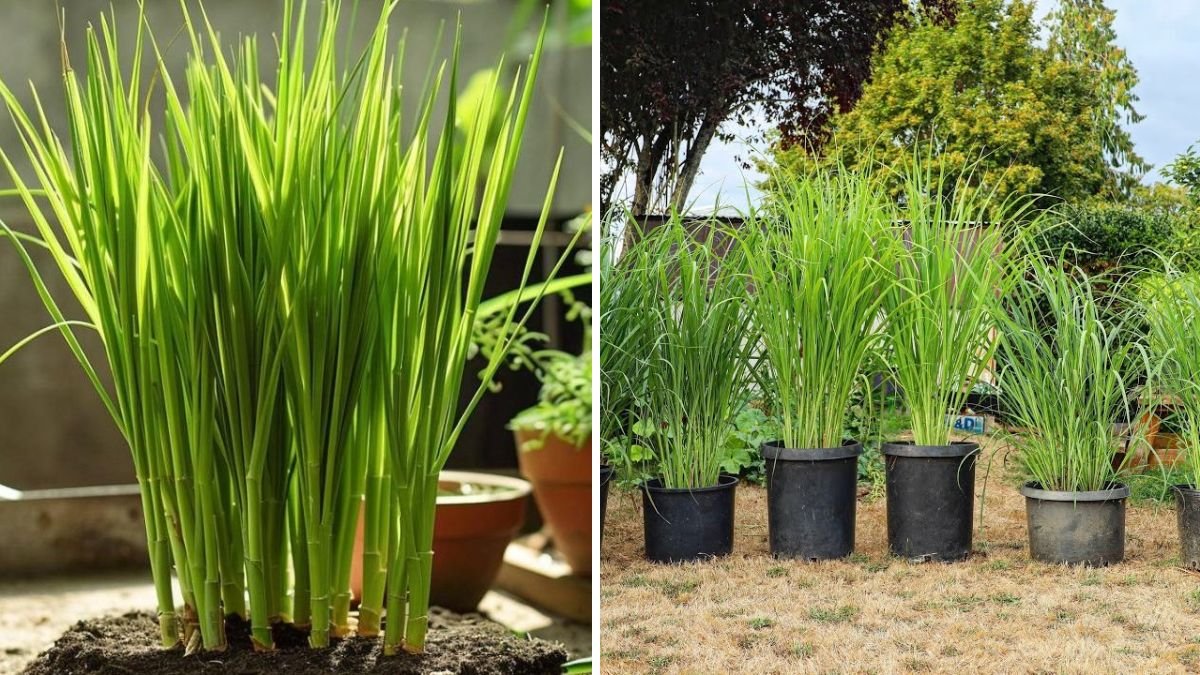
Lemongrass is a versatile and aromatic herb widely used in cooking, teas, and natural remedies. Its citrusy fragrance and flavor make it a favorite in Asian cuisine, while its medicinal properties, including anti-inflammatory and antibacterial effects, have been valued for centuries. Growing lemongrass indoors allows you to have a fresh supply at your fingertips all year long, even if you live in a small apartment or city home.
In this guide, we’ll explore how to successfully grow lemongrass indoors, from choosing the right container and soil to harvesting and caring for your plants.
Why Grow Lemongrass Indoors?
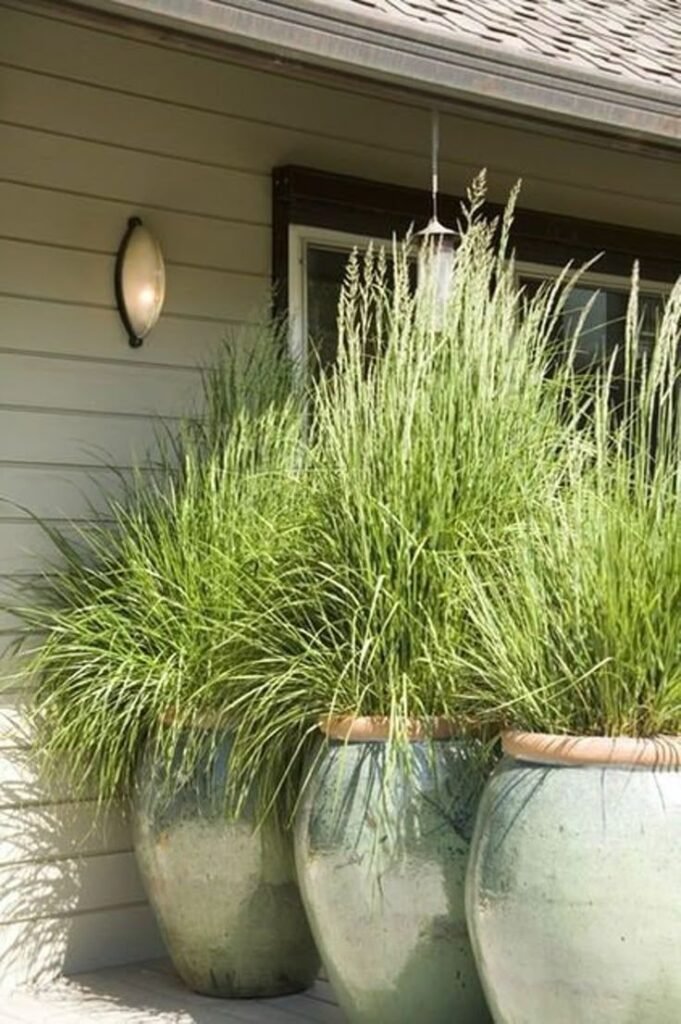
Growing lemongrass indoors offers several advantages:
- Year-Round Supply: Indoor conditions let you grow lemongrass regardless of season or climate.
- Convenience: Fresh stalks are always available for cooking, teas, or homemade remedies.
- Pest Control: Growing indoors reduces exposure to pests and harsh outdoor conditions.
- Air Quality: Like many indoor plants, lemongrass helps purify the air and adds a pleasant aroma to your home.
- Aesthetic Appeal: Its tall, grassy leaves make it a beautiful addition to windowsills, kitchens, or indoor herb gardens.
Materials Needed for Indoor Lemongrass Growth
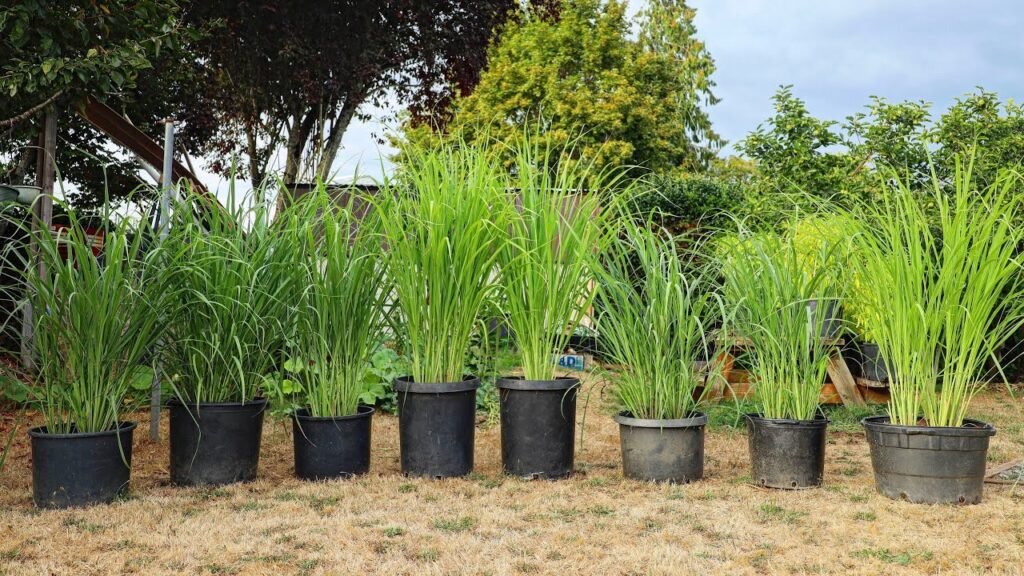
Before starting, gather the following materials:
- Lemongrass stalks: Choose healthy, thick stalks from a store or garden. Fresh stalks with roots or nodes are ideal.
- Containers or pots: Medium to large pots (at least 8–10 inches deep) with drainage holes.
- Potting soil: Well-draining soil mixed with compost or organic matter.
- Watering can: For gentle, consistent watering.
- Fertilizer: Balanced liquid fertilizer or organic compost.
- Sunny window or grow light: Lemongrass needs bright light to thrive.
Step-by-Step Guide to Growing Lemongrass Indoors

Step 1: Selecting and Preparing Lemongrass Stalks
You can grow lemongrass from seeds or stalks, but starting with stalks is faster and more reliable. Choose thick, healthy stalks with firm bases and visible nodes (small bumps where roots will grow). If you’re using stalks from the store, soak them in water for a few days until roots begin to develop.
Step 2: Choosing the Right Container
Lemongrass has long roots and grows best in deep containers. Use pots that are at least 8–10 inches deep and wide enough to accommodate multiple stalks if planting more than one. Ensure the pot has drainage holes to prevent waterlogging.
Step 3: Preparing the Soil
Use well-draining potting soil mixed with compost or organic matter. Lemongrass prefers slightly acidic to neutral soil with a pH of 6.0–7.0. Avoid heavy clay soil, which can retain too much water and cause root rot.
Step 4: Planting Lemongrass Stalks
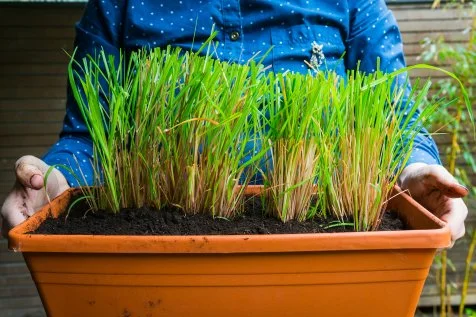
- Fill the pot with soil, leaving a few inches from the top.
- Place the lemongrass stalks into the soil, ensuring the roots or node ends are buried at least 2–3 inches deep.
- Firmly press the soil around the stalks to provide support.
- Space multiple stalks about 3–4 inches apart to allow healthy growth.
Step 5: Watering
Water lemongrass thoroughly after planting. Keep the soil consistently moist, but not waterlogged. Overwatering can cause root rot, while underwatering may slow growth. Indoor conditions require regular monitoring, especially in dry climates or heated rooms.
Step 6: Providing Light
Lemongrass requires bright sunlight for at least 6–8 hours a day. Place the pot near a south-facing window or under grow lights if natural light is insufficient. Rotate the pot periodically to ensure even growth.
Step 7: Fertilization
Feed lemongrass every 2–3 weeks with a balanced liquid fertilizer or diluted organic compost. Too much fertilizer can cause excessive leaf growth with weak stalks, so moderate feeding is best. Fertilization promotes strong, healthy stalks and enhances flavor.
Caring for Indoor Lemongrass
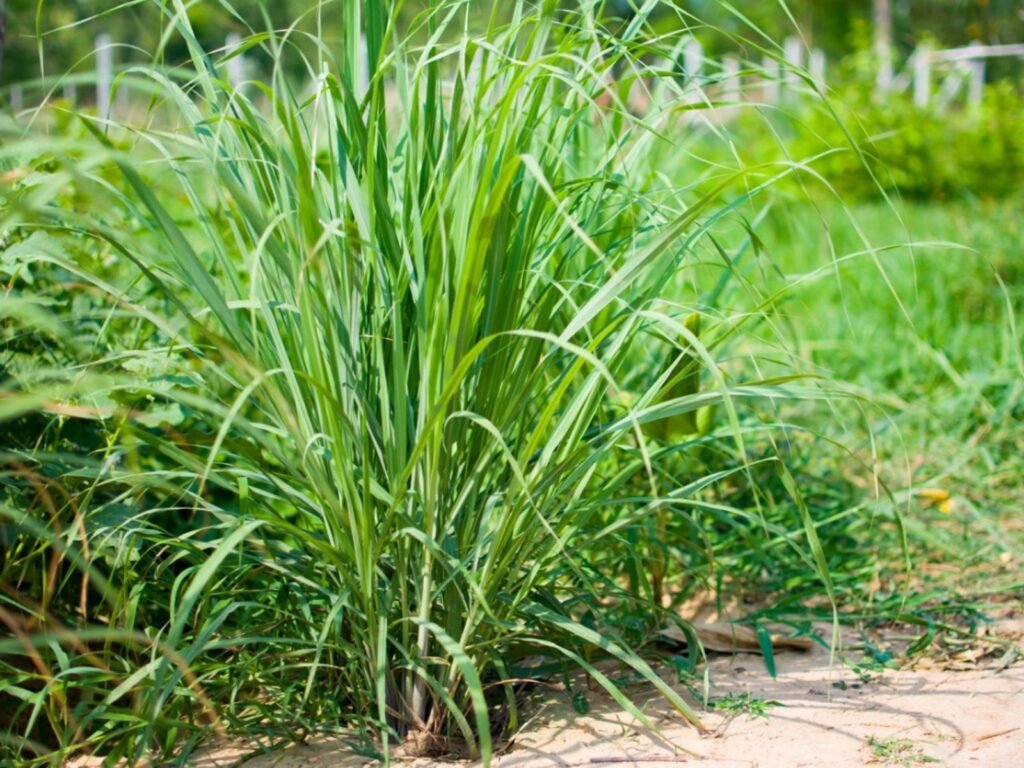
Temperature and Humidity
Lemongrass thrives in warm temperatures between 20–30°C (68–86°F). Avoid placing it near cold drafts or air conditioners. Average indoor humidity is sufficient, but if the air is very dry, mist the leaves occasionally to maintain moisture.
Pruning and Maintenance
Regular trimming encourages bushier growth. Snip outer leaves as needed for cooking while leaving the inner stalks to continue growing. Remove any yellow or dead leaves to maintain plant health.
Repotting
Lemongrass grows rapidly and may outgrow its container within a year. Repot into a larger pot as needed to allow roots more space and maintain healthy growth.
Preventing Pests
While indoor lemongrass is less prone to pests, occasional aphids or spider mites may appear. Wipe leaves with a damp cloth or use natural solutions like neem oil to control infestations.
Harvesting Lemongrass
Lemongrass is ready to harvest once the stalks are at least 8–12 inches tall and thick. For continuous harvest:
- Snip the outer stalks close to the base.
- Leave the inner stalks and roots intact to continue growing.
- You can also harvest leaves as needed without cutting the entire stalk.
Harvesting regularly encourages new growth and keeps the plant vigorous. Freshly harvested lemongrass can be used immediately or stored in the refrigerator for up to two weeks.
Uses of Fresh Lemongrass
- Cooking: Adds flavor to soups, curries, stir-fries, teas, and marinades.
- Medicinal: Used in teas and home remedies for digestion, relaxation, and anti-inflammatory benefits.
- Aromatherapy: Fresh stalks can be crushed to release a refreshing, citrusy scent that uplifts indoor spaces.
- Decorative: Lemongrass’s tall, grassy leaves make it an attractive addition to indoor plant displays.
Common Problems and Solutions
- Yellow Leaves: Often caused by overwatering or nutrient deficiency. Ensure proper drainage and fertilize as needed.
- Leggy Growth: Insufficient light can make stalks thin and weak. Provide more sunlight or supplement with grow lights.
- Root Rot: Caused by waterlogged soil. Use well-draining soil and avoid overwatering.
- Pests: Aphids or spider mites can occasionally appear. Wipe leaves or use neem oil to treat infestations.
Tips for Thriving Indoor Lemongrass
- Rotate Pots: Rotate your pot every few days to ensure all sides receive sunlight.
- Layer Planting: Plant multiple stalks together for a fuller, bushier appearance.
- Mulching: Add a thin layer of mulch to retain moisture and regulate soil temperature.
- Continuous Planting: Keep a few new stalks in water to root, ensuring a continuous supply of lemongrass for your kitchen.
Conclusion
Growing lemongrass indoors is simple, rewarding, and highly beneficial. With the right care—adequate sunlight, regular watering, proper soil, and periodic harvesting—you can enjoy fresh, fragrant stalks year-round. Whether used for cooking, teas, natural remedies, or indoor decoration, lemongrass is a versatile herb that enhances both your culinary creations and home environment.
By following the steps outlined above, even beginners can cultivate healthy, vibrant lemongrass plants indoors. This aromatic herb not only adds flavor to your meals but also brings a refreshing scent, a touch of greenery, and a sense of satisfaction from growing your own fresh herbs. With patience and care, your indoor lemongrass garden can flourish and provide a continuous supply of this fragrant, multipurpose plant.