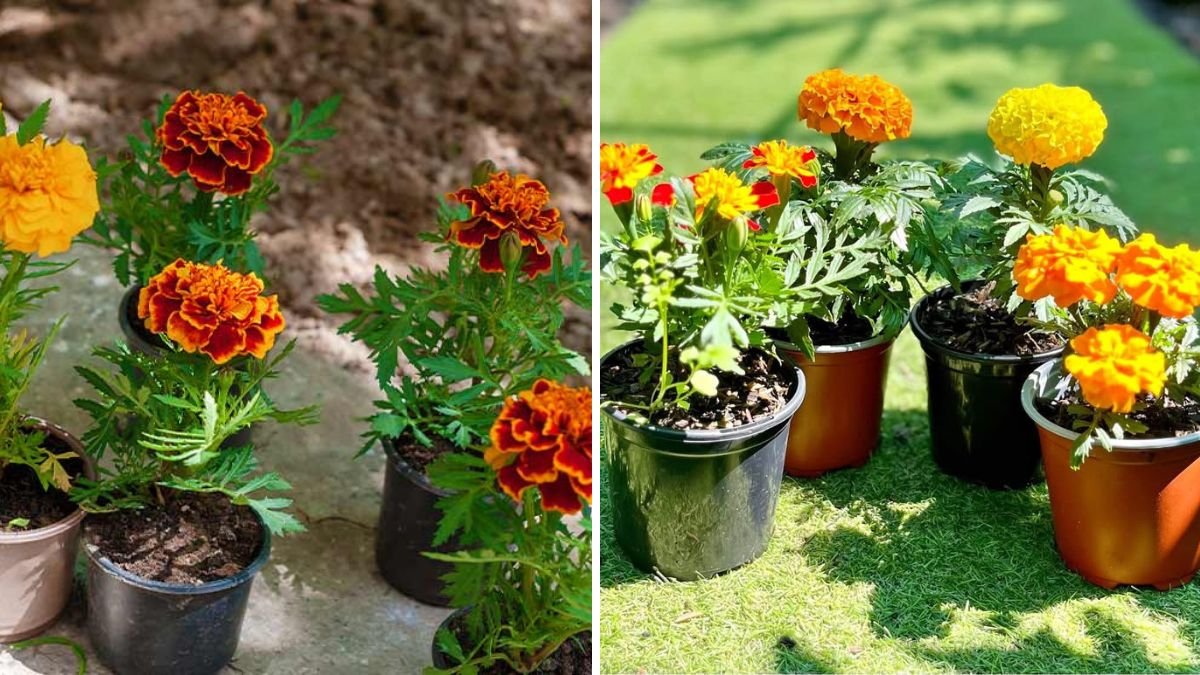
Marigolds are one of the most popular and versatile garden plants. Known for their vibrant yellow, orange, and red flowers, they bring a splash of color to any garden while being easy to grow and maintain. Beyond their beauty, marigolds have practical benefits—they repel pests, attract pollinators, and even improve soil health. Whether you are a beginner gardener or an experienced horticulturist, growing marigold plants in your garden is a rewarding experience.
In this guide, we’ll explore everything you need to know about planting, caring for, and enjoying marigold flowers in your garden.
Why Grow Marigold Plants?
Marigolds are not just visually appealing—they offer several practical benefits:
- Easy to Grow: They are low-maintenance plants that thrive in various climates and soil types.
- Pest Control: Marigolds naturally repel harmful insects like nematodes and aphids, making them excellent companion plants for vegetables.
- Attract Pollinators: Their bright flowers attract bees, butterflies, and other pollinators, promoting a healthy garden ecosystem.
- Versatile Use: Marigolds can be planted in flower beds, borders, pots, or even hanging baskets.
- Medicinal and Cultural Uses: In some cultures, marigolds are used in herbal remedies and festive decorations.
With these benefits, marigolds are both a practical and beautiful addition to any garden.
Choosing the Right Marigold Variety
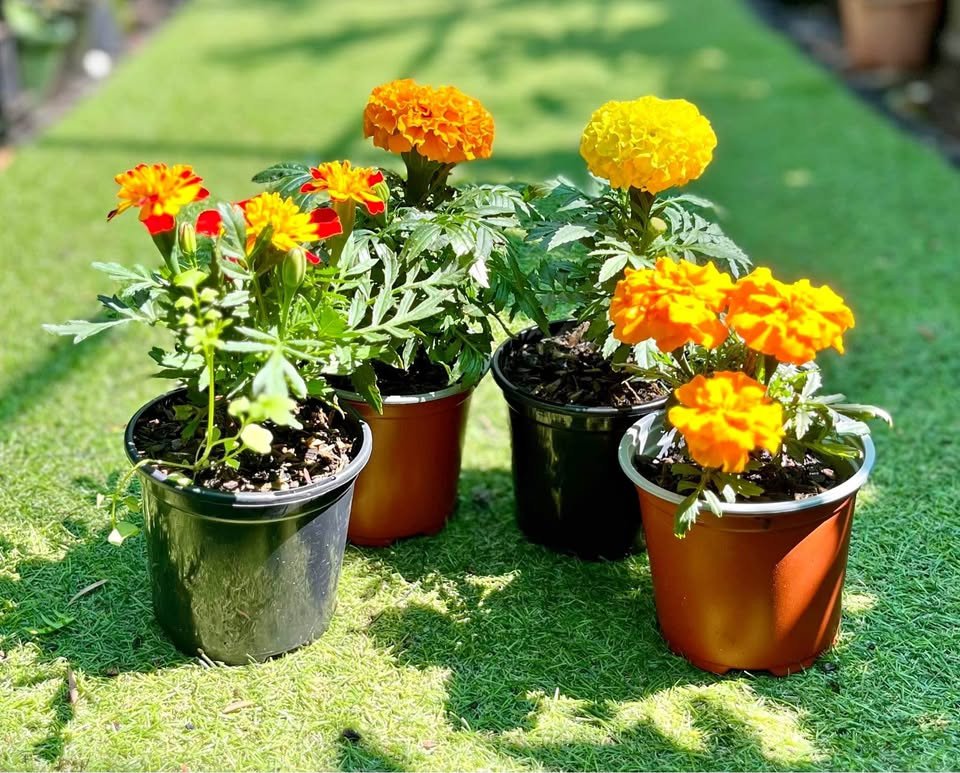
Before planting, it’s important to select the right variety of marigold for your garden. There are three main types:
- African Marigold (Tagetes erecta): Large flowers, can grow up to 3 feet tall, perfect for bold garden statements.
- French Marigold (Tagetes patula): Compact plants, usually under 12 inches, ideal for borders, containers, and small gardens.
- Signet Marigold (Tagetes tenuifolia): Smaller, delicate flowers, often used for edging or as edible garnishes.
Choosing the right variety depends on your garden space, aesthetic preferences, and purpose for planting.
Step-by-Step Guide to Growing Marigolds
Step 1: Selecting the Planting Site
Marigolds thrive in full sunlight. Choose a garden spot that receives at least 6–8 hours of direct sunlight daily. They prefer well-drained soil and can tolerate poor soil, though they flourish in nutrient-rich conditions. Avoid areas prone to waterlogging, as excessive moisture can cause root rot.
Step 2: Preparing the Soil
Loosen the soil in your garden bed to a depth of 6–8 inches. Add compost or well-rotted manure to enrich the soil with nutrients and improve drainage. Marigolds prefer slightly acidic to neutral soil with a pH of 6.0–7.0.
Step 3: Planting Marigold Seeds or Seedlings
- Seeds: Sow marigold seeds directly into the garden soil about ¼ inch deep. Space seeds 6–12 inches apart, depending on the variety. Keep the soil moist until germination occurs, usually within 5–14 days.
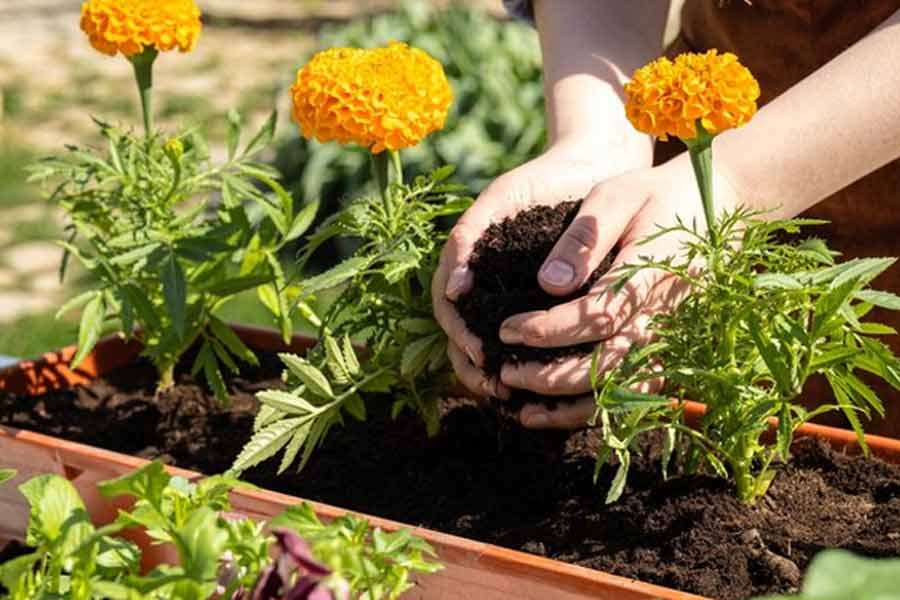
- Seedlings: If transplanting seedlings, dig holes slightly larger than the root ball. Place the seedlings in the holes, fill with soil, and gently press down. Water thoroughly after planting.
Step 4: Watering
Marigolds require regular watering, especially during dry spells. Water deeply at the base of the plants rather than overhead to prevent fungal diseases. While they are drought-tolerant, consistent moisture promotes vibrant blooms and healthy foliage.
Step 5: Fertilization
Marigolds are not heavy feeders, but applying a balanced, slow-release fertilizer at planting time encourages strong growth and abundant flowering. Over-fertilizing can lead to excessive foliage growth with fewer flowers, so moderate feeding is key.
Caring for Marigold Plants
Proper care ensures that marigolds thrive and bloom beautifully throughout the growing season.
Sunlight and Temperature
Marigolds love the sun. Ensure they receive adequate sunlight for at least 6–8 hours daily. These plants thrive in warm temperatures and can tolerate the heat of summer, though extremely high temperatures may slightly reduce flowering.
Deadheading and Pruning
Regular deadheading—the process of removing faded flowers—encourages the plant to produce more blooms. Trim back any leggy or weak stems to maintain a bushy, compact shape. For French marigolds, occasional pruning helps maintain their dense, compact growth habit.
Pest and Disease Management
Marigolds are naturally pest-resistant, but they can occasionally be affected by aphids, spider mites, or fungal diseases like powdery mildew. Monitor plants regularly and remove affected leaves. Using natural remedies like neem oil or insecticidal soap can control pests without harming beneficial insects.
Companion Planting Benefits
Marigolds are excellent companion plants for vegetables like tomatoes, peppers, and beans. Their strong scent repels nematodes and other pests, reducing the need for chemical pesticides. Planting marigolds alongside vegetables creates a healthier, more productive garden ecosystem.
Harvesting and Using Marigold Flowers
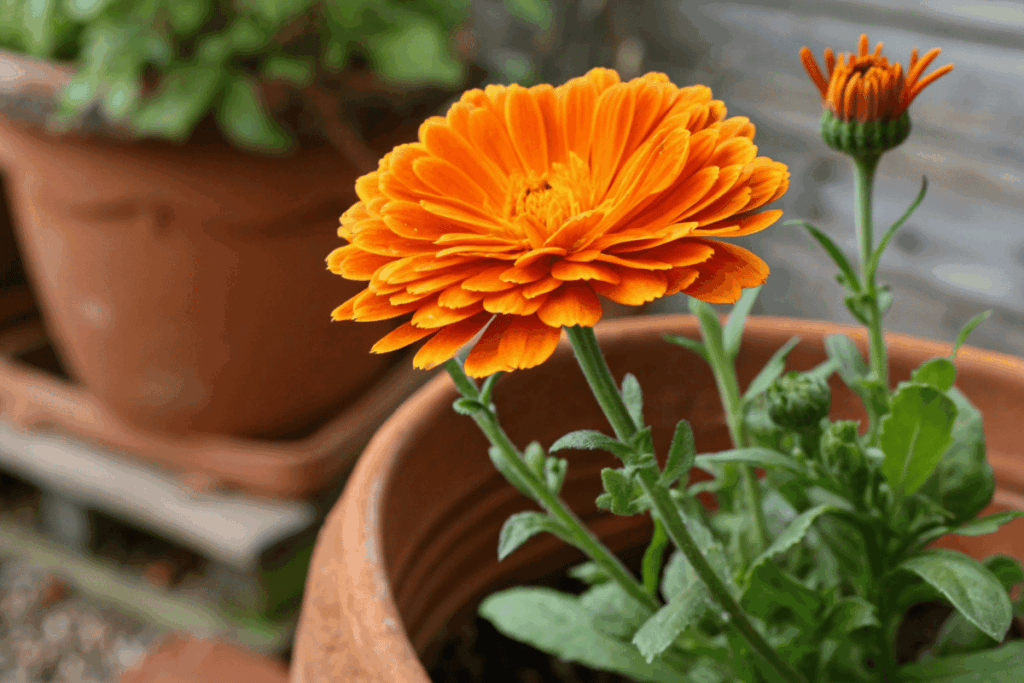
Marigold flowers are highly versatile. While primarily ornamental, they have culinary and medicinal uses.
- Ornamental Use: Harvest flowers to brighten vases, floral arrangements, or garden displays.
- Culinary Use: Signet marigold petals are edible and can be used as garnishes in salads, rice dishes, and desserts.
- Medicinal Use: Some marigold varieties are used in herbal teas and topical remedies for their anti-inflammatory and healing properties.
Harvesting regularly also encourages more flowering, keeping your garden vibrant throughout the season.
Common Problems and How to Solve Them
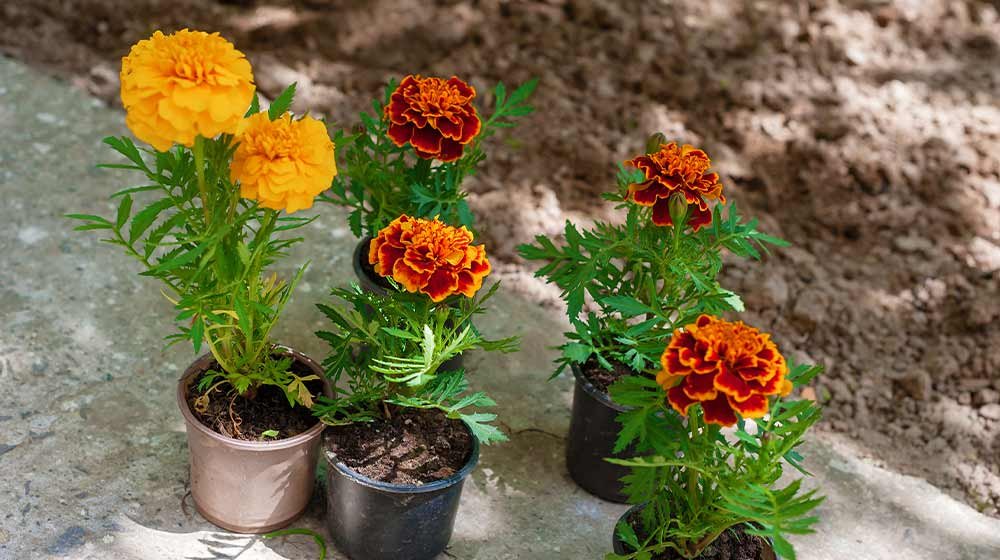
- Leggy Plants: Insufficient sunlight can cause marigolds to stretch. Move plants to a sunnier location or thin seedlings for better growth.
- Yellow Leaves: Overwatering or poor drainage can lead to yellowing leaves. Ensure proper soil drainage and moderate watering.
- Fungal Diseases: Avoid overhead watering and provide adequate spacing between plants for air circulation.
- Pests: While marigolds repel many pests, occasional aphids or mites may appear. Use natural remedies like neem oil or hand-picking to control infestations.
Tips for Maximizing Bloom and Garden Beauty
- Choose Mixed Colors: Plant different marigold varieties for a visually striking garden display.
- Succession Planting: Sow seeds every few weeks to maintain continuous flowering throughout the season.
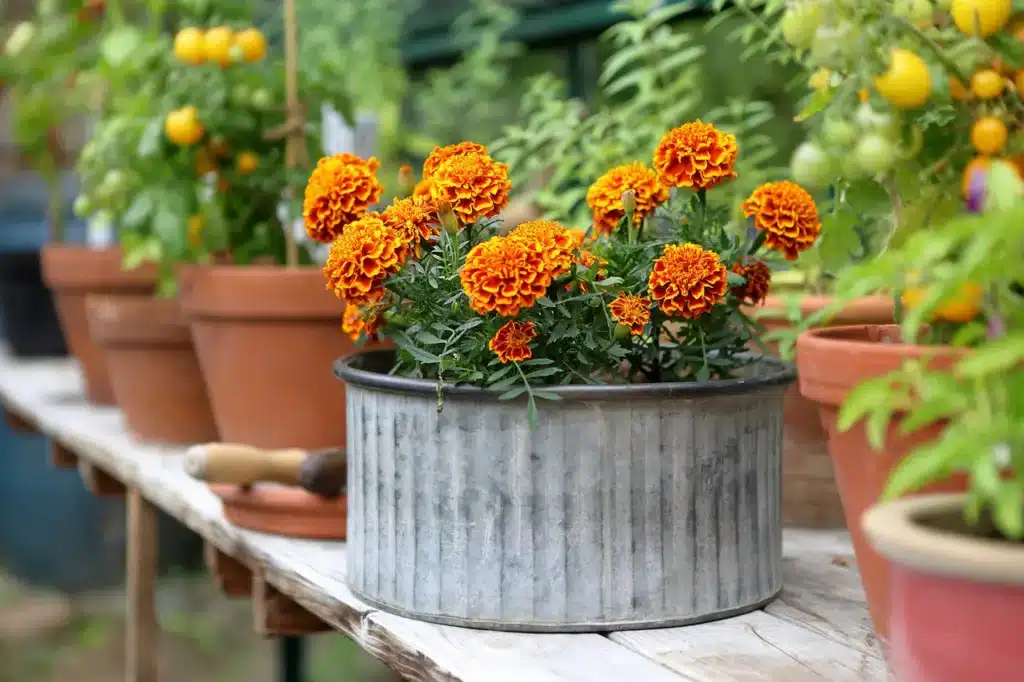
- Container Gardening: Marigolds grow well in pots and hanging baskets, making them versatile for balconies and small spaces.
- Mulching: Apply organic mulch around plants to retain moisture, regulate soil temperature, and reduce weed growth.
Conclusion
Marigolds are more than just beautiful flowers—they are hardy, low-maintenance plants that bring both aesthetic and practical benefits to your garden. From pest control to attracting pollinators, they play a vital role in creating a healthy garden ecosystem.
By following the steps outlined above—selecting the right variety, preparing the soil, planting properly, and providing ongoing care—you can enjoy vibrant, long-lasting blooms in your garden. Whether planted in beds, borders, or containers, marigolds are a gardener’s delight, adding color, charm, and utility to any outdoor space.
With patience, attention, and regular care, your garden can be transformed into a vibrant haven of marigold blossoms that brighten your surroundings and support a thriving, natural ecosystem. Marigolds are truly the perfect combination of beauty, functionality, and ease, making them a must-have for any gardener.