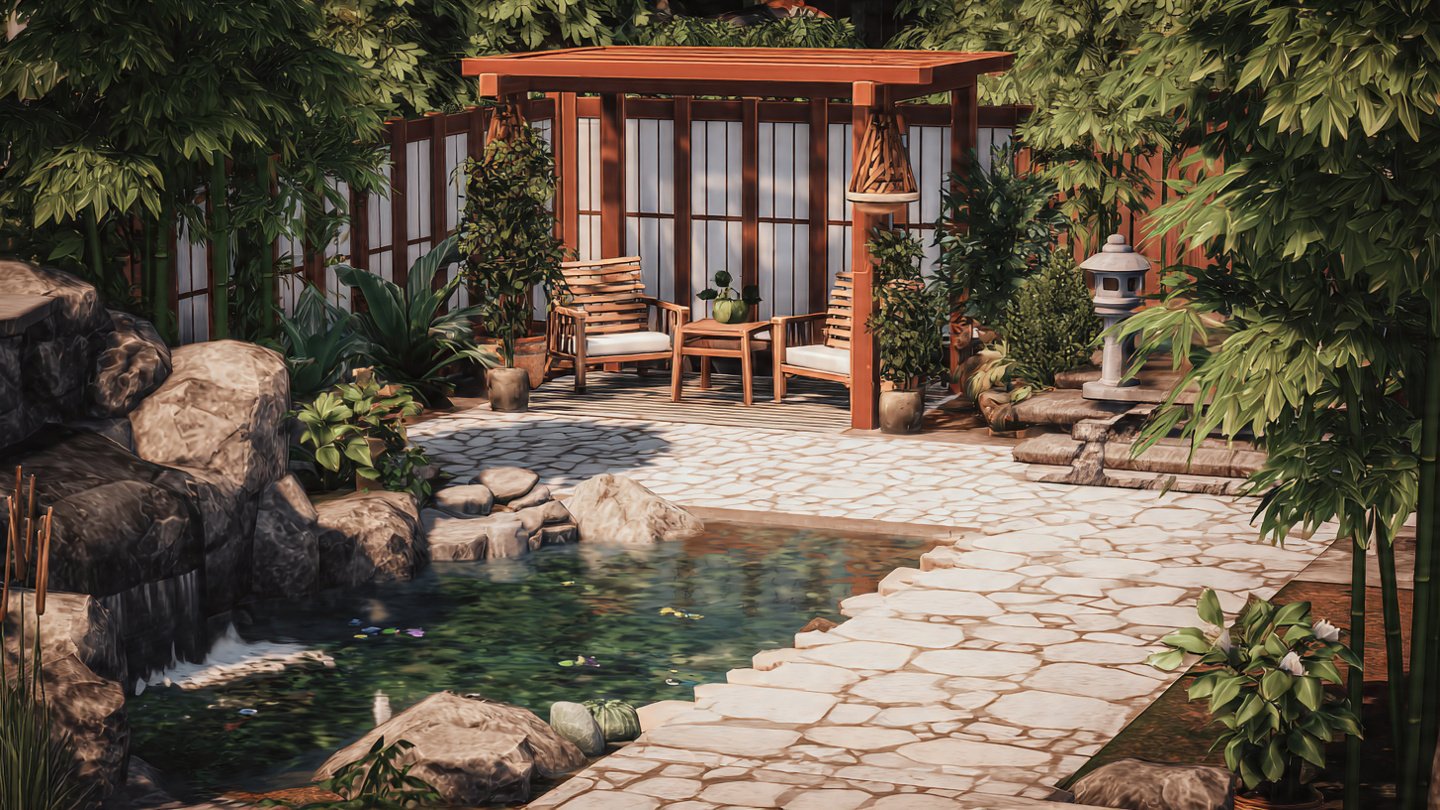
Creating a serene, peaceful retreat in your backyard seems like an overwhelming task, but it can be a rewarding endeavor. A Zen zone serves as a personal sanctuary where you can unwind, reflect, and connect with nature. The transformation from a busy, chaotic space to a tranquil escape can be simpler than you think. Here’s how you can make the shift.
1. Assess Your Space
Before taking any action, take a step back and evaluate your backyard. Look for:
- Areas that feel crowded or cluttered
- Spaces that are underutilized
- Natural features that can be enhanced
Consider how you currently use your backyard, and think about what you would like from this new Zen space. Focus on creating a layout that promotes relaxation.
2. Declutter
A Zen zone requires minimalism. Start by clearing away any unnecessary items or clutter. This includes old furniture, tools, and equipment that don’t contribute to your new vision. Here’s how to declutter effectively:
- Sort items into keep, donate, and discard categories.
- Remove items that break the flow of the space.
- Consider storage solutions for essential tools but keep them hidden out of sight.
3. Define Your Zones
Once your space is clutter-free, consider dividing it into different “zones” that cater to various activities, enhancing the aura of calmness. Some ideas include:
- Seating Area: Create a comfortable nook with outdoor furniture, cushions, and perhaps a small fire pit.
- Garden: Include calming plants, fragrant flowers, or even a vegetable patch for a sense of accomplishment.
- Water Feature: A small fountain, pond, or birdbath can add soothing sounds that drown out distractions.
4. Choose the Right Plants
The right greenery can transform your backyard into a peaceful haven. Opt for plants that promote tranquility. Some excellent choices include:
- Bamboo: Symbolizes strength and resilience, while providing gentle rustling sounds.
- Lavender: Known for its calming scent, it can soothe stress and anxiety.
- Succulents: Require minimal care, adding greenery without the burden of constant maintenance.
You might also want to consider establishing a small herb garden, as the fresh herbs can enhance your cooking and provide an aromatic experience.
5. Incorporate Natural Materials
Zen environments often feature natural materials to create a seamless connection with nature. Use
- Wood: Furniture and decking from sustainable sources, such as bamboo or recycled timber.
- Stone: Pathways, sitting areas, or decorative elements can add structure and natural beauty.
- Water: Use rocks and natural stones to create a serene water feature.
6. Invest in Lighting
Proper lighting enhances the atmosphere of your Zen zone. Soft lighting will make the space feel inviting, especially when the sun sets. Consider:
- String Lights: They add a soft glow without being too harsh.
- Lanterns: Use them to create focal points in various areas.
- Solar Lights: Eco-friendly options that light paths and highlight garden features.
7. Create a Meditation Space
If your goal is relaxation, designate an area for meditation or yoga. This could be as simple as a small mat on the lawn or a specially designed nook with cushions. Surround this area with plants or stones, which can help create a calming environment.
8. Eliminate Noise Pollution
To truly enjoy your Zen zone, it’s essential to minimize noise pollution. Here are several options:
- Use plants to absorb sound and block out external noises.
- Install fences or sound barriers if you live near a busy road.
- Add soft background music or nature sounds using a discreet speaker.
9. Personal Touches
Incorporate elements that reflect your personal style and comfort. This can include:
- Artwork or sculptures that resonate with your personality.
- Seasonal decorations that can be easily updated.
- Personalized garden benches or tables with your favorite quotes.
10. Maintenance and Care
Finally, to ensure your peaceful retreat remains just that, you must commit to regular maintenance. Develop a system for:
- Watering plants and maintaining the garden.
- Cleaning outdoor furniture and features.
- Regularly checking on pathways and lighting.
Creating a Zen zone is a journey. With time, attention, and love, your backyard can become the tranquil haven you’ve always desired.
Conclusion
Transforming your busy backyard into a relaxing Zen zone may seem daunting, but it’s entirely achievable. By evaluating your space, decluttering, incorporating natural elements, and adding personal touches, you can create a serene escape right at home. A well-maintained Zen zone not only enhances relaxation but also promotes a connection with nature. Take the first steps today to carve out your little oasis, and discover the immense benefits it can bring to your mental and physical well-being. Embrace the tranquility of a Zen zone, and let your backyard become a source of peace and inspiration.
FAQs
1. Is it expensive to transform my backyard into a Zen zone?
The cost can vary widely based on your goals. You can start small and gradually implement changes that fit your budget.
2. How long does it take to create a Zen zone?
The timeframe depends on the size of your space and the complexity of your design. Small changes can be made in a day, while larger projects may take weeks to months.
3. What are some low-maintenance plants for a Zen garden?
Succulents, ornamental grass, and native plants are perfect for a low-maintenance Zen garden, requiring minimal care.
4. Can I create a Zen zone in a small backyard?
Absolutely! Even small spaces can be transformed into a tranquil retreat. Focus on vertical gardens, compact seating areas, and using clever layouts to maximize your space.
5. What activities can I do in my Zen zone?
Your Zen zone can be used for meditation, yoga, reading, gardening, or simply enjoying a cup of tea while soaking in the ambiance.