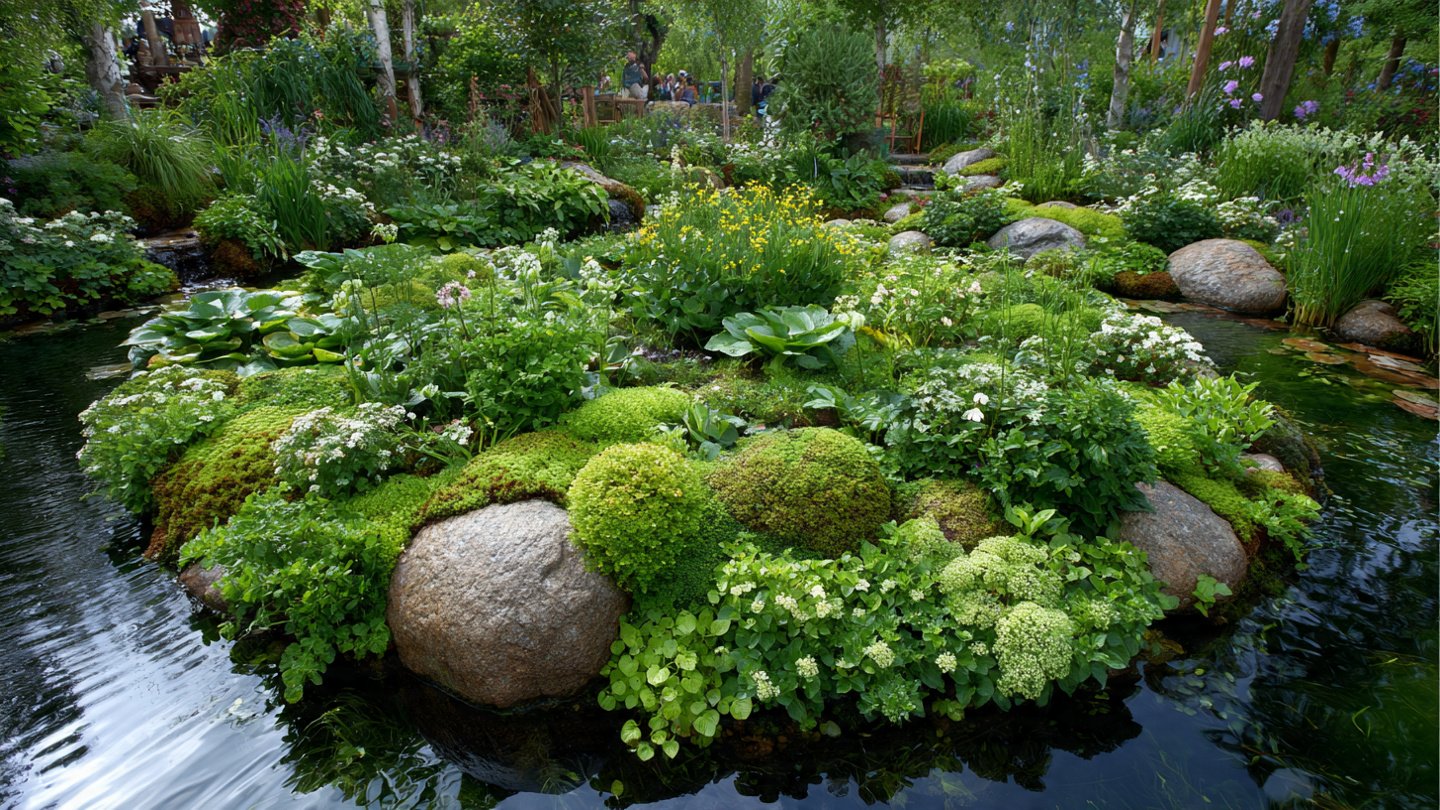
A perfectly balanced garden ecosystem isn’t just a beautiful space; it serves various ecological functions, promotes biodiversity, and enhances the overall health of the environment. Achieving this balance involves understanding the interactions between plants, animals, soil, and climate. This article outlines essential steps and considerations to help you create and maintain a thriving garden ecosystem.
1. Understand Your Environment
Before planting, assess your garden’s unique attributes. Consider the following:
- Climate: Know your USDA plant hardiness zone and the climate conditions (temperature, rainfall, sunlight) you can expect throughout the seasons.
- Soil Type: Test your soil to determine its pH, nutrient content, and drainage capabilities. This will dictate which plants will thrive.
- Sunlight: Observe your garden at different times of the day to understand sunlight patterns and identify shaded or sunny areas.
Understanding these aspects will help you make informed choices about which plants and elements to introduce into your garden ecosystem.
2. Choose the Right Plants
Selecting plants is fundamental in creating a balanced ecosystem. Here are key guidelines:
- Diversity: Choose native plants that are adapted to your local environment. They often require fewer resources (water, fertilizer) and attract local wildlife.
- Companion Planting: Use companion planting techniques to enhance plant health and productivity. For example, marigolds can deter pests when planted alongside tomatoes.
- Layered Planting: Incorporate layers in your garden – tall plants provide shade for smaller ones, and ground covers minimize weed growth while retaining moisture.
A richly diverse planting scheme fosters beneficial relationships among plant species and provides habitats for beneficial insects.
3. Soil Health
Healthy soil is the foundation of a balanced garden ecosystem. Follow these practices to improve soil health:
- Composting: Create compost from kitchen scraps and yard waste to enrich your soil with nutrients and enhance microbial life.
- Mulching: Apply organic mulch to retain moisture, suppress weeds, and gradually improve soil structure as it decomposes.
- Avoid Chemicals: Minimize the use of synthetic fertilizers and pesticides, which can harm beneficial organisms and disrupt the balance.
Regularly amend your soil with organic matter to keep it alive and diverse.
4. Water Management
Water is critical for life but can be a source of imbalance if not managed correctly. Here’s how:
- Rainwater Harvesting: Collect rainwater in barrels to water your garden sustainably and reduce runoff.
- Drip Irrigation: Implement drip irrigation systems to deliver water directly to the roots of plants, minimizing waste and promoting deep root growth.
- Drought-Tolerant Plants: Incorporate drought-resistant plants to reduce reliance on watering.
Efficient water management helps in creating a sustainable garden that thrives during dry spells.
5. Biodiversity and Wildlife
Incorporating a variety of life forms into your garden enhances resilience and stability. Consider adding:
- Pollinator Gardens: Plant flowers that attract bees, butterflies, and other pollinators to support plant reproduction.
- Habitats for Wildlife: Create habitats by including native shrubs, trees, and structures like birdhouses, bat boxes, and insect hotels.
- Beneficial Insects: Encourage the presence of ladybugs, lacewings, and predatory wasps to manage pests naturally.
The presence of biodiversity promotes a thriving ecosystem and enhances the beauty of your garden.
6. Pest Management
Managing pests without chemicals is essential for a balanced ecosystem. Here’s how to do it:
- Integrated Pest Management (IPM): Use a combination of techniques, including physical barriers, traps, and natural predators, to control pests.
- Plant Selection: Choose pest-resistant varieties of plants to minimize issues.
- Natural Deterrents: Employ homemade sprays and natural remedies utilizing elements like neem oil, garlic, or insecticidal soap.
Maintaining balance means protecting the beneficial organisms that keep pest populations under control.
7. Seasonal Maintenance
To keep your garden ecosystem thriving, regular maintenance is essential:
- Pruning: Prune dead or diseased branches to promote healthy growth and increase air circulation.
- Rotating Crops: Rotate crops annually to prevent soil depletion and reduce pest build-up.
- Observation: Regularly inspect your garden for signs of distress, pest infestations, or nutrient deficiencies.
Seasonal care keeps the ecosystem balanced and ensures healthy growth.
Conclusion
Creating a perfectly balanced garden ecosystem is not only achievable but also rewarding. By understanding your environment, choosing the right plants, maintaining soil health, managing water, encouraging biodiversity, and practicing organic pest management, you can cultivate a thriving, sustainable garden. This space will not only enhance your property but contribute to the greater ecological landscape, promoting health and harmony within nature.
FAQs
1. What are the benefits of a balanced garden ecosystem?
A balanced garden ecosystem promotes biodiversity, enhances soil health, reduces pests naturally, and creates a sustainable environment that benefits both plants and wildlife.
2. How often should I water my garden?
The watering frequency depends on the climate and soil type. Generally, it’s best to water deeply and less frequently, allowing the soil to dry out between waterings to encourage deep root growth.
3. Can I grow vegetables and flowers together?
Yes! This practice, known as companion planting, can enhance growth and pest resistance. Be sure to research compatible plants that benefit one another.
4. What is organic pest management?
Organic pest management focuses on natural and non-toxic methods to control pest populations, such as encouraging beneficial insects, using natural sprays, and maintaining plant health.
5. How can I create habitats for wildlife in my garden?
Include native plants, water sources, and structures like birdhouses or bug hotels to provide safe havens for various wildlife, thereby boosting biodiversity in your garden.