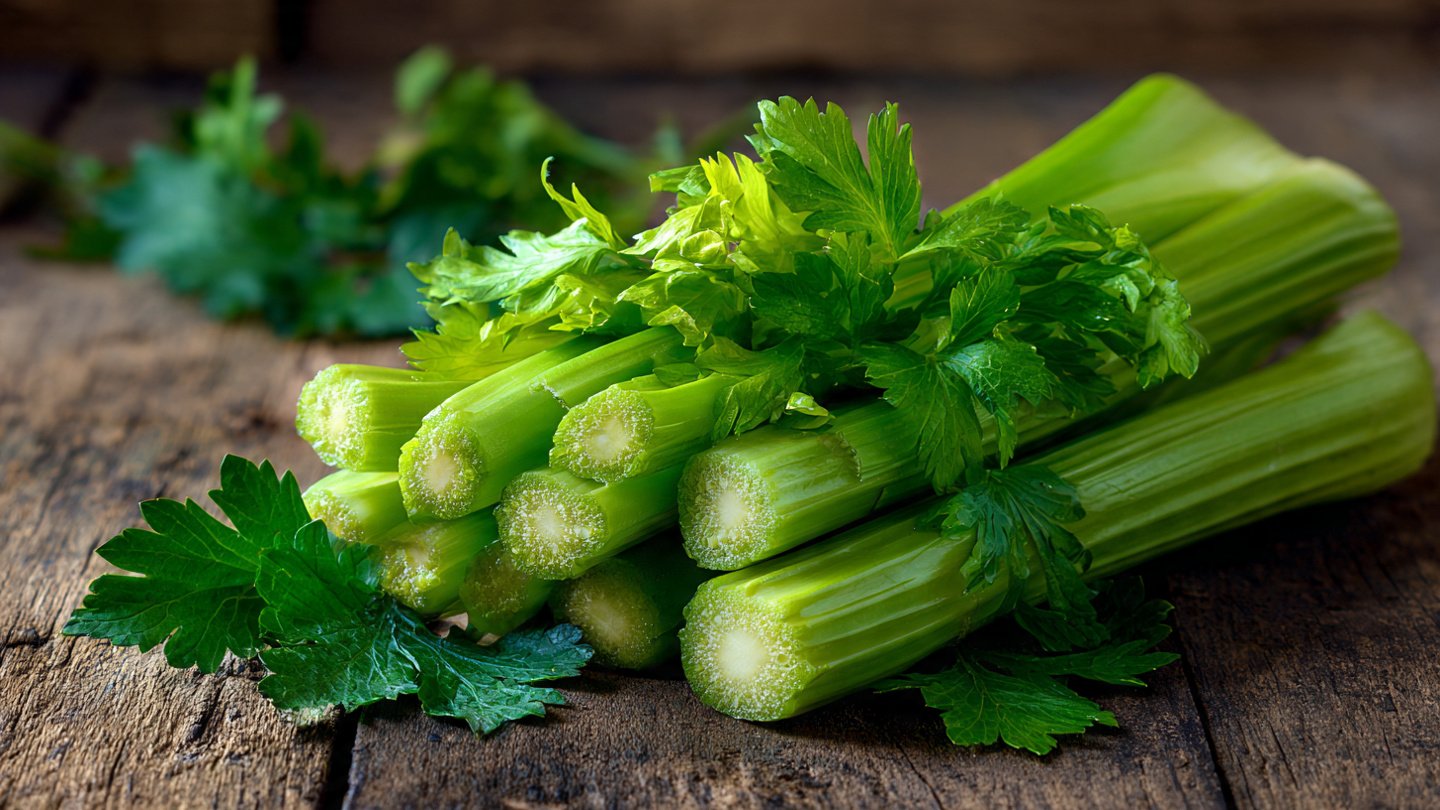
Celery has been a staple in kitchens and gardens for centuries. This crunchy vegetable is not only low in calories but also packed with antioxidants, vitamins, and minerals. With its crisp texture and mild flavor, celery is a perfect addition to a variety of dishes or can be enjoyed as a healthy snack on its own. If you’re interested in cultivating your own celery, this guide will help you navigate through the process, from selecting seeds to nurturing your plants, ensuring a bountiful and delicious harvest.
Understanding Celery
Celery (Apium graveolens) belongs to the Apiaceae family, which also includes carrots, parsley, and fennel. It thrives in moderate climates and is typically grown as an annual crop, although it can grow biennially if left unharvested. Known for its distinct flavor and crunchy texture, celery is commonly enjoyed in salads, soups, and as a snack paired with dips like hummus or peanut butter.
Choosing the Right Variety
There are several varieties of celery, each with its own unique flavor and texture. When choosing which variety to grow, consider the following:
- Green Celery: The classic variety known for its bright color and crisp texture.
- Red Celery: A unique variety with a rich, slightly sweeter flavor.
- Chinese Celery: A smaller, more robust version that works well in Asian cuisines.
Choosing the right variety will depend on your personal preference and intended culinary uses.
Preparing the Soil
Celery thrives in rich, well-draining soil that retains moisture. Follow these steps for optimal soil preparation:
- Select a Location: Choose a sunny spot in your garden that receives at least 6-8 hours of sunlight daily.
- Soil Testing: Test the pH of your soil; celery prefers a pH of 6.0 to 7.0.
- Amend the Soil: Enrich the soil with organic compost or well-rotted manure to provide nutrients and improve drainage.
Sowing Celery Seeds
Celery seeds are tiny and require special care when planting. Here’s how to sow them successfully:
- Starting Indoors: Begin by sowing seeds indoors 10-12 weeks before the last frost date. Use seed trays or small pots filled with seed-starting mix.
- Moisture: Keep the soil moist but not soggy. Celery seeds require consistent moisture to germinate, which usually takes about 14-21 days.
- Transplanting: Once seedlings are 4-6 inches tall and have a few sets of true leaves, they can be transplanted outdoors, spaced about 8-12 inches apart.
Caring for Celery
Proper care is essential for growing healthy celery. Here are some key care tips:
- Watering: Celery needs consistent moisture. Water deeply at least once a week, or more often during dry spells.
- Fertilization: Apply a balanced fertilizer every few weeks to support growth.
- Weeding: Keep the area free of weeds, which can compete for nutrients and water.
As the plants grow, you may also consider blanching celery, which involves covering the stalks with soil or cardboard to shield them from sunlight. This process leads to paler, sweeter stalks.
Pest and Disease Management
Celery can be susceptible to various pests and diseases. Pay attention to the following common issues:
- Aphids: These small insects can be controlled with insecticidal soap or natural predators like ladybugs.
- Blight: Fungal diseases can be minimized by rotating crops and ensuring good air circulation around plants.
- Cutworms: These larvae can damage young seedlings; using collars made of cardboard can help protect them.
Harvesting Celery
Celery is typically ready for harvest 85-120 days after planting, depending on the variety. Here’s how to identify when to harvest:
- Look for stalks that are at least 8 inches tall and have a firm texture.
- To harvest, cut individual stalks at the base, or pull up the whole plant for a larger yield.
After harvesting, celery can be stored in the refrigerator for up to two weeks. Keep the stalks wrapped in a damp paper towel to maintain freshness.
Using Celery in Your Diet
Celery is incredibly versatile in the kitchen. Here are some delicious ways to incorporate it into your diet:
- Snacks: Enjoy celery sticks with your favorite dip, such as peanut butter or tzatziki.
- Salads: Chop celery and add it to salads for extra crunch and flavor.
- Soups and Stews: Use celery as a base for soups and stews, adding both flavor and nutrition.
- Juicing: Blend celery into juices or smoothies for a refreshing drink.
Conclusion
Growing your own celery not only provides you with a nutritious snack but also allows you to enjoy the satisfaction of cultivating your own food. With the right knowledge and care, you can cultivate delicious celery that enhances your meals and snacks. Whether you enjoy it raw, cooked, or blended, the possibilities are endless. Embrace the process of planting, nurturing, and harvesting this wonderful vegetable to make healthy eating enjoyable and sustainable.
FAQs
1. How long does it take to grow celery?
Celery typically takes 85-120 days from planting to harvest, depending on the variety.
2. Can I plant celery in pots?
Yes, celery can be grown successfully in pots. Ensure the pot is deep enough to accommodate the roots, ideally at least 12 inches deep.
3. What is the best climate for growing celery?
Celery thrives in cool, moist climates. It is best grown in temperatures ranging from 60°F to 70°F (15°C to 21°C).
4. How often should I water celery plants?
Celery requires consistent moisture. Water deeply at least once a week, and more often during dry spells.
5. What nutrients do celery plants need?
Celery benefits from a balanced fertilizer that includes nitrogen, phosphorus, and potassium. Regular applications every few weeks will support healthy growth.