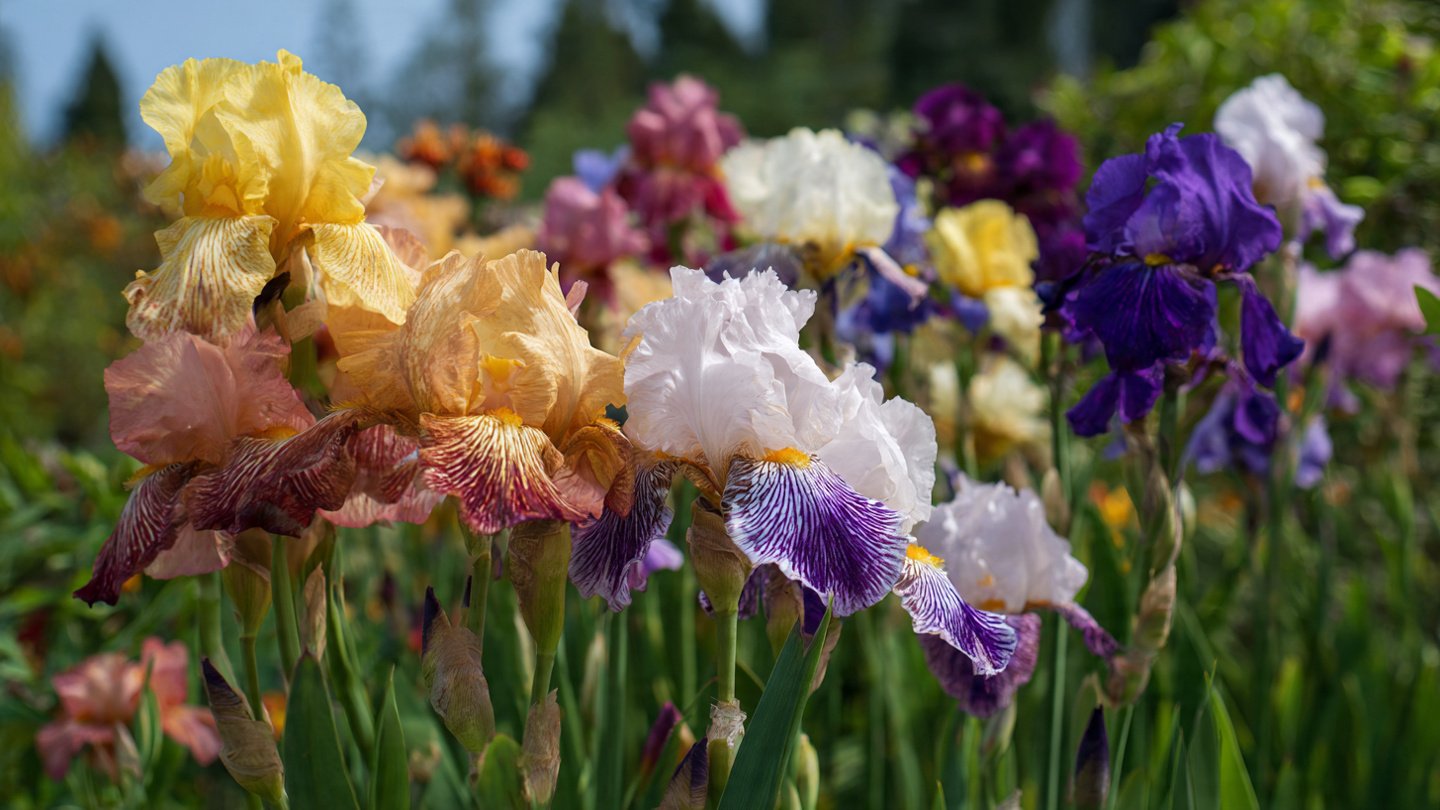
Irises are one of the most stunning flowers you can grow, known for their vibrant colors and unique structure. However, achieving the perfect iris garden requires understanding several key growing techniques, one of the most significant being the division of clumps. This process can breathe new life into your iris plants, enhance their blooming potential, and can ultimately lead to lush, thriving gardens. In this article, we’ll explore how dividing clumps can unlock the secrets to growing perfect irises.
The Importance of Clump Division
Clump division is essential for maintaining healthy iris plants. Over time, iris bulbs can become crowded, leading to poor growth and fewer or smaller blooms. By dividing the clumps, you can:
- Improve Air Circulation: Crowded clumps can restrict airflow, leading to diseases and poor growth. Proper spacing after division enhances air circulation.
- Encourage Blooming: When an iris clump becomes too dense, it often results in fewer flowers. Dividing the clumps allows the plants to spread out and achieve their full blooming potential.
- Promote Healthy Roots: A crowded clump can result in unhealthy roots. Dividing encourages the growth of new roots, contributing to overall plant health.
- Rejuvenation: Dividing can rejuvenate older plants, allowing them to produce new growth and remain vigorous.
When to Divide Irises
The best time to divide irises is during the late summer to early fall, preferably after they have finished blooming. This timing allows the plants to adjust to their new space before winter sets in. Dividing too early in the spring or too late in the fall can stress the plants and inhibit their growth.
How to Divide Iris Clumps
Here’s a step-by-step guide on how to properly divide iris clumps:
1. Gather Your Tools
To begin, you’ll need a few tools:
- A spade or a shovel
- A sharp knife or garden shears
- A wheelbarrow for transporting the divisions
- Gloves to protect your hands
2. Locate the Clump
Identify the clump of irises you wish to divide. Older, crowded clumps are usually the best candidates. Look for plants that appear stunted or are not producing as many blooms as usual.
3. Dig Up the Clump
Using a spade or shovel, carefully dig around the clump to avoid damaging the bulbs. Work your way around the clump in a circular motion. Once you’ve loosened the soil, gently lift the entire clump out of the ground.
4. Clean Up the Bulbs
Once the clump is out, remove any dead or damaged leaves, roots, or bulbs. Healthy bulbs should be plump and firm. Rinse them off to remove any excess soil. This will also help you identify the individual bulbs that need to be separated.
5. Divide the Clump
Carefully pull apart the bulbs. If they are stuck together, use a sharp knife to slice through the roots. Each division should have at least one healthy fan of leaves and roots. Aim for divisions that are around 4 to 6 inches in size.
6. Prepare New Planting Areas
Before replanting, prepare the soil in their new location. Add compost or well-rotted manure to enrich the soil. Make sure the area receives adequate sunlight, as irises thrive best in full sun.
7. Replant the Divisions
Plant the divisions in holes that are deep enough to accommodate the roots without crowding them. Space the bulbs about 12 to 24 inches apart to ensure they have ample room to grow. Make sure the tops of the bulbs are just above the soil surface, as this can prevent rot.
Post-Division Care
After planting your iris divisions, it’s crucial to provide them with the right care:
- Watering: Water the newly planted divisions thoroughly but avoid overwatering, as this can lead to rot. Ensure the soil is well-drained.
- Mulching: Apply a layer of mulch around the base of the plants to help retain moisture and suppress weeds.
- Fertilizing: Use a balanced fertilizer in the spring as new growth begins. This will support healthy foliage and blooming.
- Monitoring: Keep an eye on the health of the divisions. Look for signs of pests or disease and address any issues promptly.
Common Mistakes to Avoid
While dividing clumps is a straightforward process, there are some common mistakes to avoid:
- Dividing at the Wrong Time: Timing is essential for successful division. Dividing too early or too late can stress the plants and impair growth.
- Overcrowding: When replanting, ensure that you are giving the divisions sufficient space to grow. Crowding can lead to the same issues you experienced with the original clump.
- Poor Soil Preparation: Neglecting to enhance the soil can hinder growth. Always prepare the planting area appropriately.
Conclusion
Dividing clumps represents a crucial aspect of iris care, unlocking the secrets to a vibrant and healthy iris garden. By improving air circulation, encouraging blooming, and rejuvenating older plants, clump division helps you achieve the perfect irises that can thrive year after year. With proper timing, technique, and care, your iris garden can flourish, showcasing the stunning beauty of these flowers.
FAQs
Q1: How often should I divide my irises?
A1: Ideally, irises should be divided every 3 to 5 years to maintain healthy growth and maximize blooms.
Q2: Can I divide irises in the spring?
A2: It’s better to divide irises in late summer to early fall. Dividing in spring can hinder their growth.
Q3: What should I do if my irises aren’t blooming?
A3: Lack of blooms can be due to overcrowding, poor soil, or inadequate sunlight. Consider dividing the clumps and ensuring proper soil and sunlight conditions.
Q4: Are there specific types of irises that require different care?
A4: Yes, different species of irises, such as bearded and Japanese irises, have unique care needs. Research your specific variety for optimal results.
Q5: How can I propagate irises besides division?
A5: In addition to division, irises can also be propagated through seeds, but this method takes significantly longer for plants to mature.