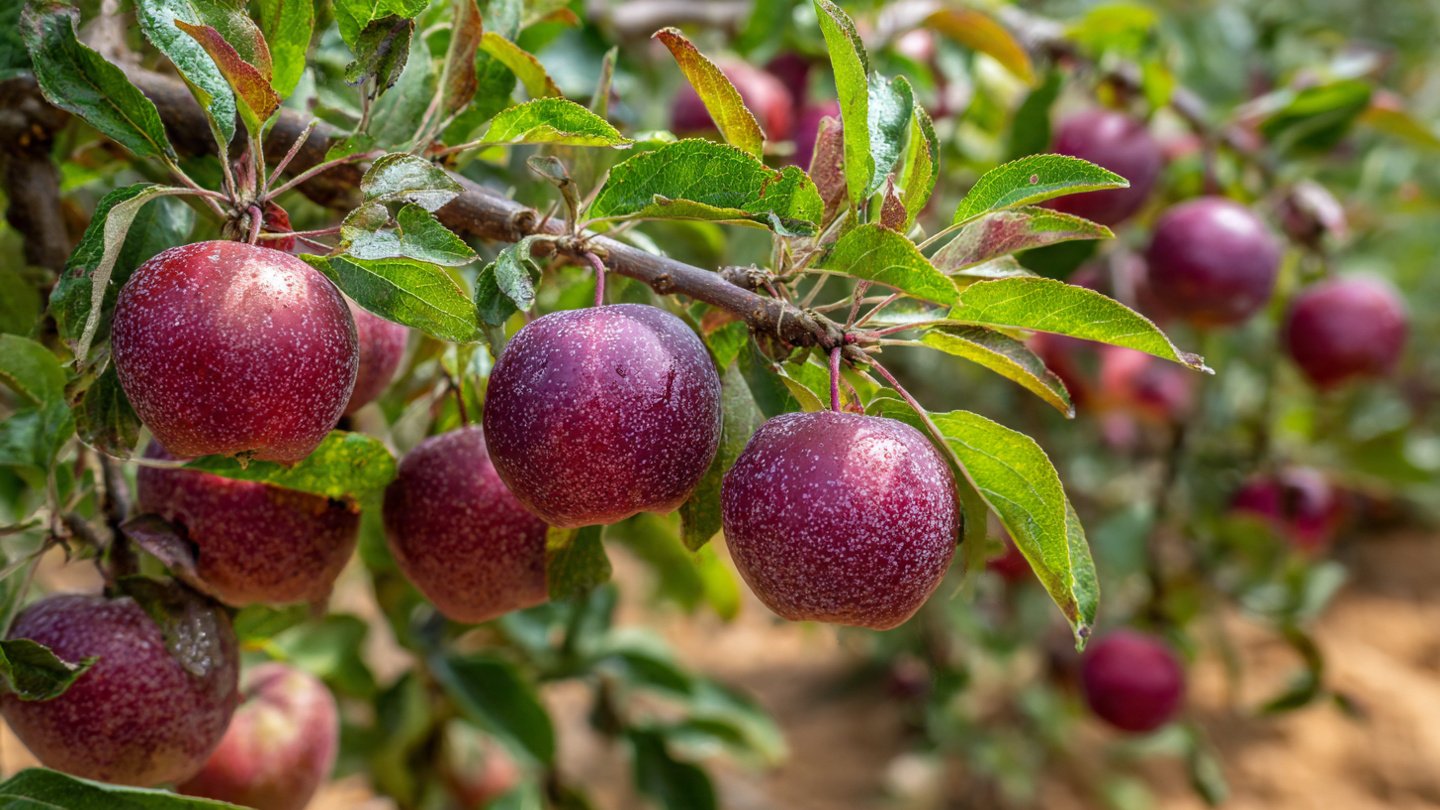
Fruit trees can be a delightful addition to any garden, providing not only beautiful blooms but also tasty, nutritious fruits. However, their health and productivity depend significantly on how well they are cared for. One of the most crucial aspects of maintaining fruit trees is establishing a proper feeding schedule. In this article, we will explore how a well-planned feeding regimen can enhance the health of your fruit trees, leading to better yields, improved disease resistance, and overall vitality.
The Nutritional Needs of Fruit Trees
Like all plants, fruit trees require a balanced intake of nutrients to thrive. These nutrients can be classified into two main categories: macronutrients and micronutrients.
- Macronutrients: These are the primary nutrients that fruit trees need in large quantities, including nitrogen (N), phosphorus (P), and potassium (K). Nitrogen promotes leafy growth, phosphorus fosters root and flower development, and potassium is vital for overall tree health and fruit quality.
- Micronutrients: These are required in smaller amounts but are equally essential for plant health. Key micronutrients include iron, manganese, zinc, and copper, each playing a specific role in various physiological processes.
The Benefits of a Proper Feeding Schedule
Implementing a proper feeding schedule can offer numerous benefits that significantly enhance the health and yield of your fruit trees. Here are some key advantages:
1. Improved Fruit Quality
A well-balanced diet leads to healthier fruit trees, which in turn produces high-quality fruit. Adequate nutrients lead to better taste, texture, and nutritional content in the fruits. For instance, potassium is known to improve the sweetness of apples and pears, while phosphorus can enhance the flavor of grapes.
2. Enhanced Growth and Vigour
A proper feeding schedule stimulates growth. Young fruit trees need more nitrogen to promote their initial growth, while mature trees require a balanced diet to maintain healthy foliage and fruitful production. Trees that receive the right nutrients at the right time will grow faster and develop a stronger structure, making them more resilient to environmental stresses.
3. Disease Resistance
Nutrient deficiencies can weaken trees, making them more susceptible to diseases and pests. A balanced feeding schedule strengthens trees, enhancing their natural defenses against pathogens and insects. For example, adequate levels of magnesium can improve chlorophyll production, enhancing photosynthesis and boosting resistance to leaf spot diseases.
4. Increased Yield
Regular feeding can directly impact the number of fruits produced. Trees that are properly fed tend to have a longer fruiting period and produce a larger quantity of fruits. This can be particularly important in commercial fruit production, where yield can significantly affect profitability.
5. Efficient Resource Use
When you establish a proper feeding schedule, you optimize the use of resources, including water and fertilizer. Trees that receive nutrients when they need them can absorb those nutrients more effectively, minimizing waste and reducing the frequency of fertilization needed.
Establishing a Proper Feeding Schedule
To maximize the benefits outlined above, a proper feeding schedule should take into account the specific needs of the trees, the soil’s nutrient content, and the local climate conditions.
1. Soil Testing
Before establishing a feeding schedule, it’s essential to conduct a soil test. This test will reveal the nutrient levels in your soil and help you determine which nutrients you need to add, as well as their recommended amounts.
2. Timing of Feeding
Feeding fruit trees at appropriate times during their growth cycle is vital. Here are some guidelines:
- Early Spring: Just before bud break, apply fertilizers that are high in nitrogen to encourage leaf growth.
- Mid-Summer: A balanced fertilizer can support fruit development, particularly for trees bearing fruit in the early summer.
- Late Summer to Early Fall: Reduce nitrogen and increase potassium and phosphorus to help trees prepare for the winter and enhance fruit maturity.
3. Type of Fertilizers
Choosing the right type of fertilizer is crucial. Organic fertilizers, such as compost and well-rotted manure, provide gradual nutrient release and improve soil structure. Chemical fertilizers can deliver quick nutrient boosts but must be used cautiously to avoid over-fertilization.
Maintaining Balance
Over and under-fertilization can both be detrimental to tree health. Signs of deficiencies or excesses vary; for instance:
- Nitrogen Deficiency: Poor growth, yellowing leaves, and reduced fruit production.
- Nitrogen Excess: Excessive leafy growth at the expense of fruit, making trees more susceptible to diseases.
It’s vital to monitor your trees regularly and adjust your feeding schedule based on their response.
Conclusion
Implementing a proper feeding schedule for your fruit trees can transform their health and productivity. By understanding the nutritional needs of different types of fruit trees and providing the right balance of macronutrients and micronutrients at the appropriate times, you can enhance fruit quality, promote growth, and improve disease resistance. A well-managed feeding routine not only leads to bountiful harvests but also plays a pivotal role in ensuring the long-term vitality of your trees. Remember, a vibrant tree is a happy tree, and the care you invest today will yield fruitful results in the seasons to come.
FAQs
1. How often should I fertilize my fruit trees?
Typically, fruit trees should be fertilized in early spring and mid-summer. Some trees may benefit from a third application in late summer, focusing on potassium and phosphorus to prepare for winter.
2. Can I use just organic fertilizers?
Yes, organic fertilizers are an excellent choice as they contribute to soil health and provide nutrients slowly. Just ensure they meet the specific needs of your trees.
3. What signs indicate I need to adjust my feeding schedule?
Look for signs such as poor fruit quality, stunted growth, yellowing leaves, or excessive leaf growth without fruit. These may indicate nutrient deficiencies or excesses.
4. Is there a best time to plant fruit trees for optimal health?
Generally, the best time to plant fruit trees is in the early spring or fall when the trees are dormant, allowing them to establish roots before the growing season.
5. How can I improve my soil for fruit trees?
Enhance your soil by adding organic matter such as compost, ensuring good drainage and aeration. Conducting regular soil tests will help you adjust the nutrient profile effectively.