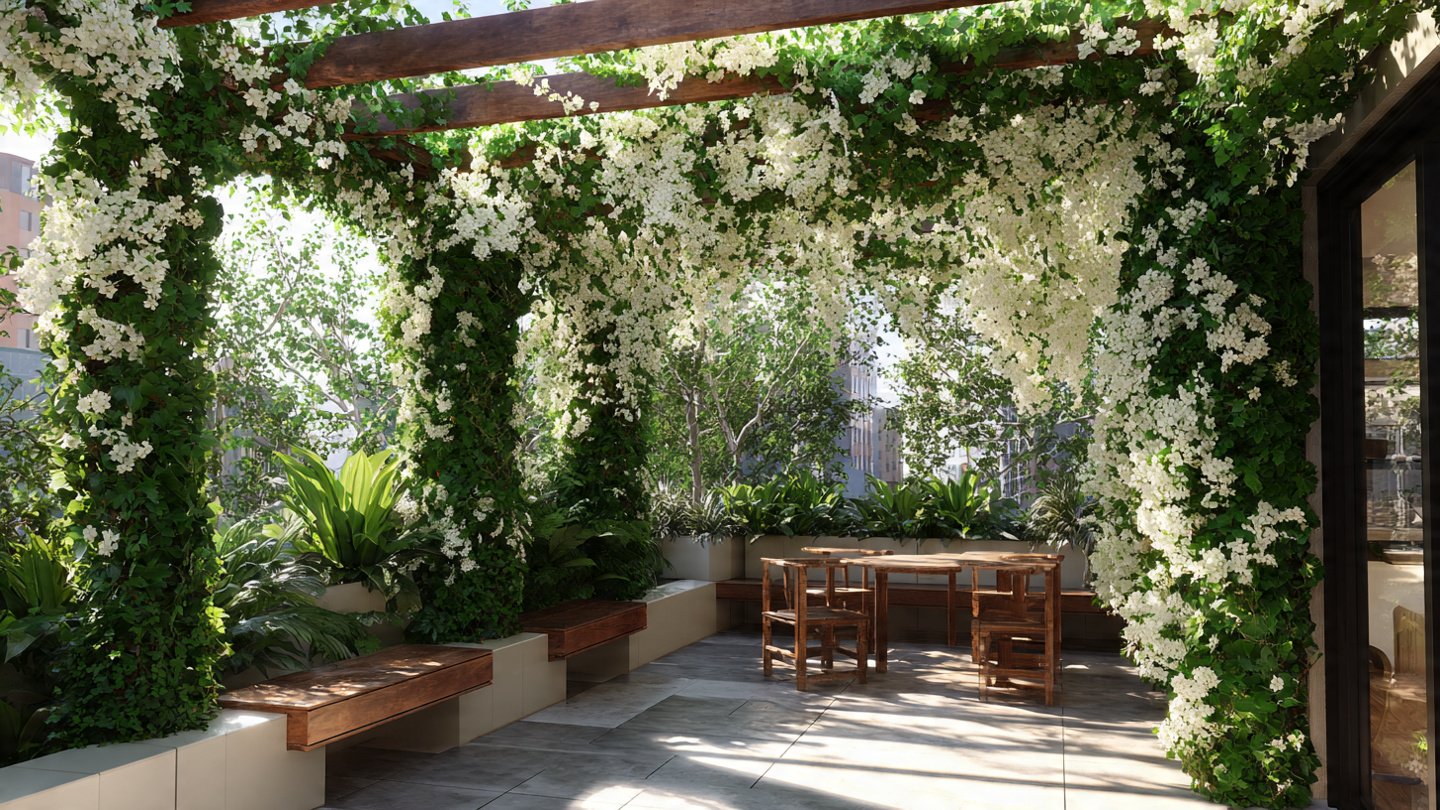
Creating an inviting outdoor space isn’t just about the furniture or pathways; it’s also about the greenery and decorative features that enhance the environment. One of the most elegant and effective ways to add beauty and personality to your outdoor area is by incorporating flowering vines. In this article, we will explore how flowering vines can transform your outdoor space, the benefits they offer, and practical tips on selecting, planting, and maintaining them.
The Allure of Flowering Vines
Natural Beauty
Flowering vines, with their colorful blooms and lush foliage, bring life and vibrancy to any space. They have an inherent ability to soften hardscapes, create lush backdrops, and attract pollinators. Their cascading growth can add a sense of elegance and intimacy to your surroundings.
Versatility
One of the standout features of flowering vines is their versatility. They can thrive in various garden styles, from tropical to cottage to modern. Depending on their growth habit and flowering characteristics, they can be used in myriad applications, such as:
- Cascading over arbors and pergolas
- Climbing walls and fences
- Enhancing vertical gardens
Selecting the Right Flowering Vines
Before you start your transformation, it’s essential to choose the right flowering vines for your specific space. Here are some factors to consider:
1. Climate and Hardiness Zone
Understanding your climate and USDA hardiness zone is crucial when selecting flowering vines. Some vines thrive in warm, humid conditions, while others prefer cooler temperatures. Research varieties that are suited to your climate to ensure healthy growth.
2. Sunlight Requirements
Different vines have different sunlight requirements. Some may flourish in full sun, while others thrive in partial shade. Assess the sunlight levels of your outdoor space throughout the day to select the most suitable options.
3. Growth Habit
Flowering vines can be categorized into three main growth habits:
- Clinging Vines: These have specialized structures that allow them to attach directly to surfaces (e.g., Virginia creeper, English ivy).
- Twining Vines: These vines wrap around supports as they grow (e.g., Clematis, Honeysuckle).
- Trailing Vines: These grow outward and can create a beautiful cascade over surfaces (e.g., Morning glory, Sweet pea).
4. Bloom Time and Color
Consider the flowering time and colors that will complement your outdoor palette. Some vines bloom in spring, while others may show off their flowers in summer or fall. Selecting varieties that bloom at different times can provide continuous color throughout the growing season.
Popular Flowering Vines to Consider
1. Wisteria
Wisteria is famed for its stunning, drooping clusters of fragrant flowers that can range from purple to white. It’s perfect for covering arbors and trellises, providing a fairy-tale quality to any space. However, it requires full sun and ample support due to its vigorous growth.
2. Clematis
Clematis is offered in a multitude of cultivars, ranging from large, showy blossoms to delicate forms. It can be trained to climb fences, walls, and trellises. With a variety of bloom times, you can select clematis that flowers in spring, summer, or even fall.
3. Honeysuckle
Honeysuckle vines are not only aromatic but also incredibly attractive to butterflies and hummingbirds. They come in various colors, from yellows and oranges to pinks and reds. Honeysuckle prefers partial to full sunlight and can grow quickly.
4. Passionflower
With its exotic, intricate flowers, the passionflower vine adds a tropical feel to any garden. It attracts a variety of pollinators, making it a perfect choice for those looking to enhance their garden’s biodiversity. It’s a fast-growing vine that thrives in full sun.
5. Bougainvillea
For a more tropical look, bougainvillea offers vibrant, paper-like bracts that come in a variety of colors. Known for its heat tolerance, this vine is perfect for warm climates and looks stunning trailing over a wall or hanging from containers.
6. Jasmine
Known for its sweet scent, jasmine vines can be both evergreen and deciduous. They bloom profusely in the summer and can be trained to climb any structure. Jasmine works well in containers as well, allowing you to place it where you want the fragrance the most.
Designing with Flowering Vines
Incorporating flowering vines into your outdoor design requires some planning. Here are a few design ideas to consider:
1. Vertical Gardens
Creating vertical gardens with flowering vines can dramatically transform a drab wall or fence into a vibrant natural canvas. Use trellises or wall planters to support your vines, allowing them to climb and cascade. This approach not only adds color but also increases privacy.
2. Arbors and Pergolas
Install an arbor or pergola in your outdoor space, and allow flowering vines to climb over it. This technique creates a stunning focal point and adds architectural interest. Consider dining or seating arrangements underneath for a beautiful outdoor retreat.
3. Container Gardens
For urban dwellers or those with limited ground space, blooming vines in containers are an excellent solution. Choose large pots and train the vines on stakes or trellises. You can place these containers on patios, balconies, or decks to enhance your living area with nature.
4. Focal Points
Position flowering vines as focal points in your garden design. Plant them at the end of pathways or near entrances to draw attention and create inviting spots. The contrasting colors and textures can lead the eye through your space.
5. Mixed Plantings
Pair flowering vines with other flowering plants or shrubs for a diverse and layered look. Combining different heights, colors, and textures creates visual interest and makes your garden more appealing.
Planting and Maintaining Flowering Vines
Planting Tips
-
Soil Preparation: Ensure that you have well-draining soil amended with organic matter. Most flowering vines prefer slightly acidic to neutral soil.
-
Planting Depth: Follow the specific guidelines for planting depth, generally ensuring that the root ball is level with the surrounding soil.
-
Support Structures: Install appropriate trellises, arbors, or fences at the time of planting to encourage climbing.
-
Watering: Water the vines well after planting and ensure consistent moisture during their first growing season.
Maintenance Practices
-
Pruning: Regular pruning helps control growth, encourages flowering, and removes dead or damaged materials. The best time to prune varies by species, so research specific needs.
-
Fertilizing: Use a balanced fertilizer in early spring to promote vigorous growth and flowering. Follow up with additional feedings as recommended for your specific vine.
-
Pest Control: Keep an eye out for pests and diseases, and act promptly to manage any issues. Natural treatments can often control minor outbreaks.
-
Mulching: Add mulch around the base of your vines to retain moisture, suppress weeds, and regulate soil temperature.
Attracting Wildlife
Flowering vines are not just beautiful; they also serve an ecological purpose. Many species attract pollinators such as bees, butterflies, and hummingbirds. This not only enhances the beauty of your space but also promotes biodiversity and supports local ecosystems.
Pollinator Gardens
Consider planting a variety of flowering vines alongside other pollinator-friendly plants. This not only creates a picturesque environment but also contributes to the well-being of essential wildlife. For example, planting honeysuckle near other flowering plants can create a thriving habitat for various pollinators.
Conclusion
Transforming your outdoor space with flowering vines is a rewarding endeavor that enhances beauty, provides habitat for wildlife, and may even boost your property’s value. By carefully selecting varieties suited to your climate and design goals, you can create a lush, inviting, and harmonious environment. Whether you opt for bold and tropical blooms or delicate and romantic blossoms, the versatility and natural charm of flowering vines will breathe new life into your outdoor oasis.
Embrace the potential of flowering vines in your garden and let them weave their magic, turning ordinary spaces into extraordinary havens of beauty and tranquility.