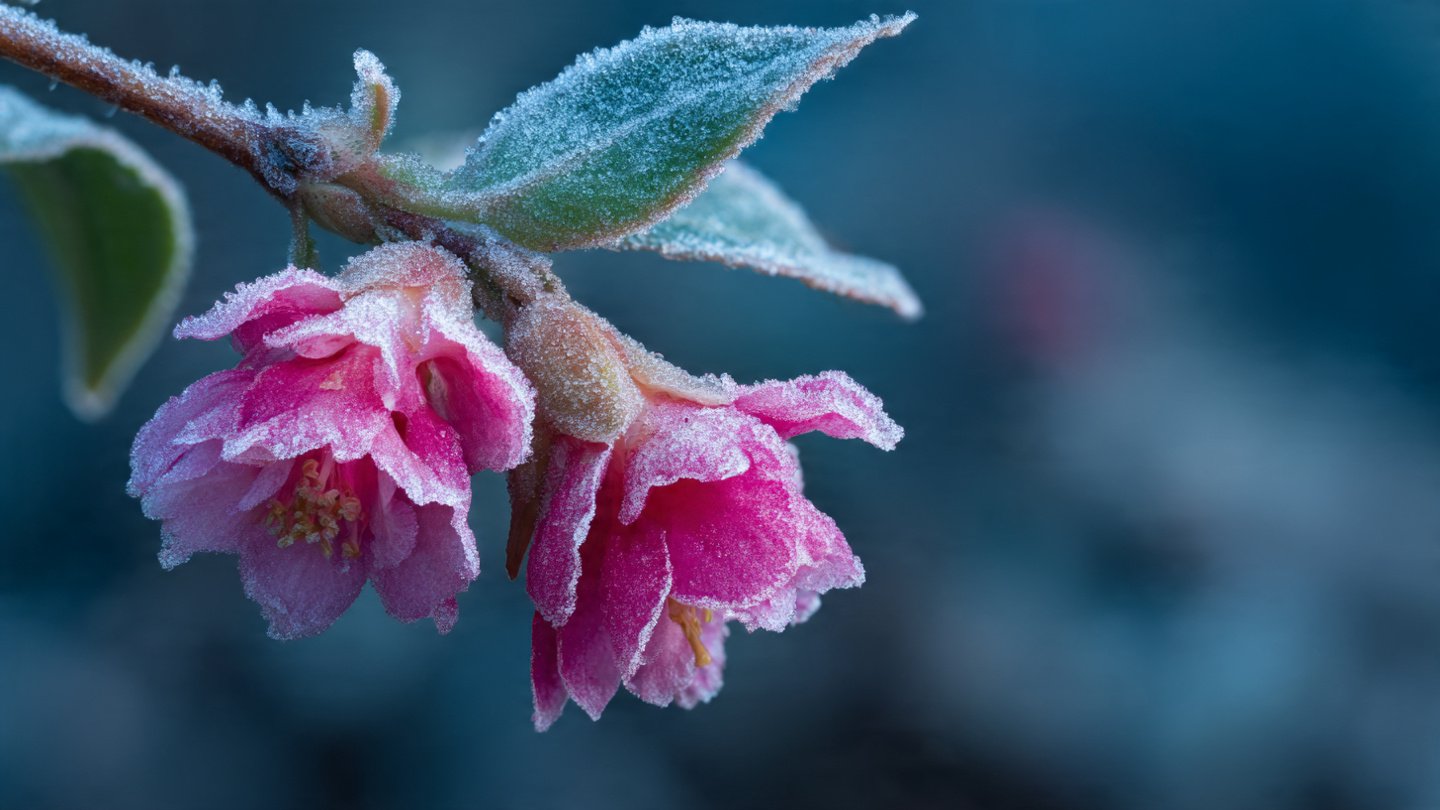
In a world where climate unpredictability seems to be the new norm, finding plants that can withstand extreme weather conditions, especially unexpected frost, is crucial for both gardeners and nature enthusiasts. Among these resilient plants, one flower stands out for its remarkable ability to endure and even flourish in harsh conditions: the pansy (Viola tricolor var. hortensis). This article delves into the unique characteristics that make the pansy so special and explores how it thrives despite frosty circumstances.
The Botanical Background of Pansies
Pansies belong to the family Violaceae and are a hybrid of several species including Viola tricolor. Known for their vibrant colors and intricate patterns, pansies have become a popular flowering plant in gardens, pots, and hanging baskets all over the world. They come in a variety of colors, including purple, yellow, blue, and white, often exhibiting unique markings that add to their charm.
The Challenge of Frost
Frost can be detrimental to many plants, causing cellular damage and even death. It usually occurs when temperatures drop to 32°F (0°C) or lower, creating ice crystals that can rupture plant cells. For many flowering plants, frost can mean the end but not for the pansy. Instead, they display a remarkable resilience, making them a perfect choice for early spring gardens or late fall plantings.
How Pansies Withstand Frost
The ability of pansies to endure unexpected frosts lies in several unique characteristics:
1. Cold Hardiness
Pansies are classified as cold-hardy annuals or biennials. They can survive light to moderate frosts, thanks to a unique physiological response that helps them cope with low temperatures. This adaptability allows them to maintain their color and viability even in colder climates.
2. Freeze-Tolerance Mechanisms
Pansies have developed specific mechanisms that enable them to tolerate freezing temperatures. This includes:
- Antifreeze Proteins: These proteins hinder the formation of ice crystals within the plant cells, thus protecting the delicate tissues from damage.
- Increased Solute Concentration: Pansies accumulate sugars and other solutes in their cells, lowering the freezing point of their cellular fluids.
- Cell Membrane Stability: The composition of cell membranes changes during cold temperatures, making them more flexible and less likely to rupture when frozen.
3. Growing Conditions
Pansies thrive in well-drained soil and prefer full sun to partial shade. This adaptability to various conditions is critical, especially when temperatures fluctuate dramatically. They can handle both cool and moderate temperatures, making them suitable for both spring and fall growing seasons.
Cultural Significance
Pansies hold a special place in various cultures around the world. Known for their beauty and resilience, they symbolize thoughts and reflections in Victorian flower language. Moreover, these blooms are often associated with new beginnings and are commonly used in gardens to signify the arrival of spring after a long winter.
Pansies in Gardening
Given their unique characteristics, pansies have become a staple in gardening. Here are some reasons why gardeners love them:
1. Extended Bloom Season
Pansies are one of the first flowers to bloom in spring and can continue to produce blossoms well into the fall. Their ability to flower in cooler temperatures makes them an excellent choice for extending color in a garden throughout the seasons.
2. Versatile Planting Options
Pansies can be planted in various settings, including:
- Garden beds
- Containers
- Hanging baskets
- Window boxes
3. Low Maintenance
They require minimal care, making them perfect for novice gardeners. A well-watered and well-drained environment is often enough for these resilient plants to thrive.
Challenges in Growing Pansies
While pansies are generally resilient, they do face certain challenges:
1. Overwatering
One of the most common issues faced by pansy growers is overwatering, which can lead to root rot. It’s essential to ensure proper drainage to avoid excess moisture.
2. Pests and Diseases
Pansies can fall prey to various pests like aphids and snails. They are also susceptible to fungal diseases such as downy mildew, particularly in overly humid conditions.
3. Temperature Sensitivity
While pansies can handle cold, extreme swings in temperature can stress the plants. Consistent care and monitoring will help mitigate these issues.
Conclusion
The pansy is a testament to nature’s resilience, thriving in conditions where many other flowers fail to grow. Its unique adaptations to frost, vibrant colors, and cultural significance make it not only a favorite among gardeners but also a symbol of perseverance. With the right care, pansies can bring joy and color to gardens, even in challenging weather conditions. As we face unpredictable climate changes, flowers like the pansy remind us of the strength and beauty found in nature.
FAQs
1. Can pansies survive freezing temperatures?
Yes, pansies are cold-hardy flowers that can survive light to moderate frosts, thanks to their unique physiological adaptations.
2. Do pansies need a lot of sunlight?
Pansies prefer full sun to partial shade. However, they can tolerate some shade, especially in warmer climates.
3. How often should I water my pansies?
Pansies should be watered regularly, but the soil should be allowed to dry slightly between waterings to prevent root rot. Proper drainage is crucial.
4. Can pansies be grown in containers?
Yes, pansies thrive in containers and hanging baskets, making them versatile plants for various gardening settings.
5. What colors do pansies come in?
Pansies come in a wide range of colors, including purple, yellow, blue, white, and many combinations with unique markings.