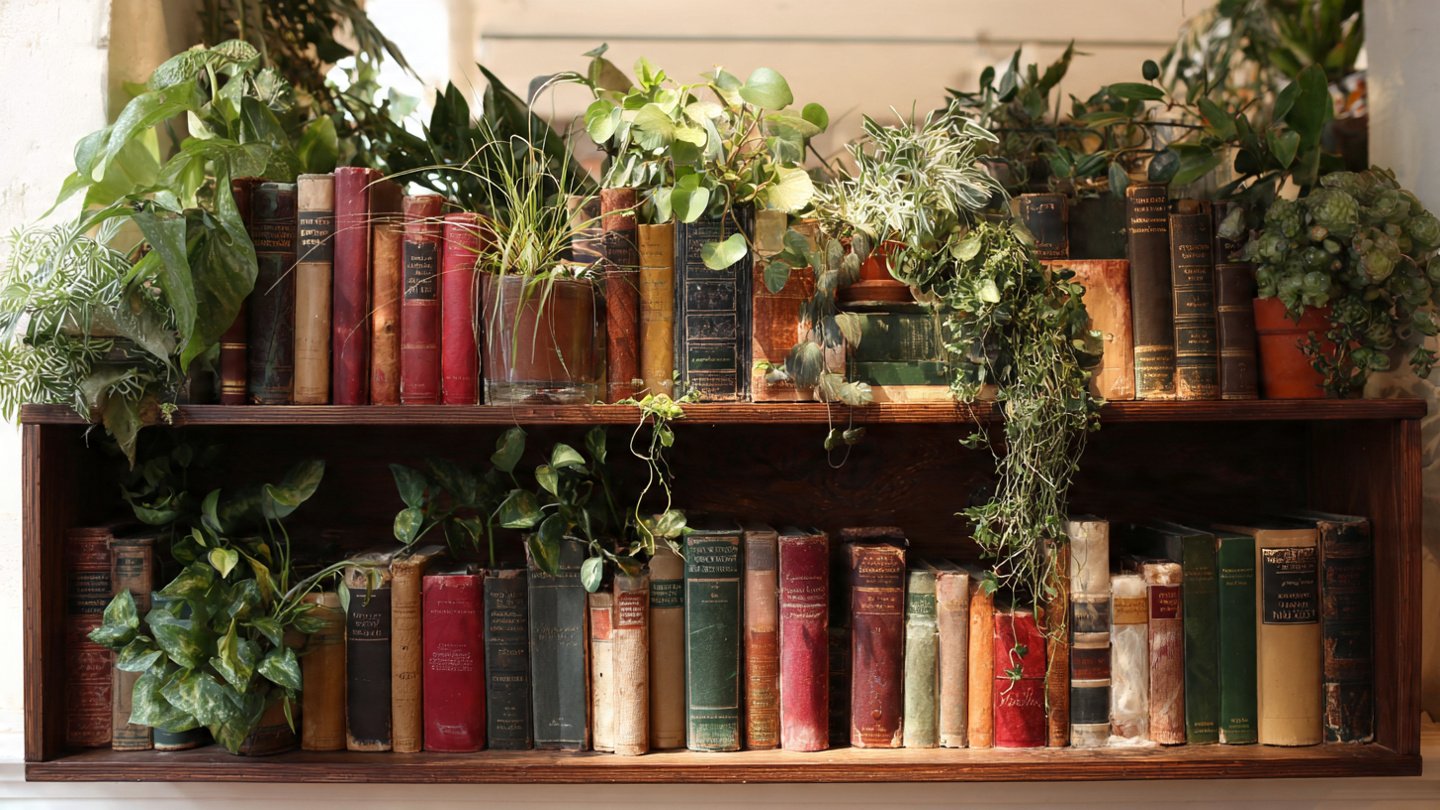
Creating a captivating shelf display that combines books and plants is an excellent way to add life and character to your living space. This blend increases visual interest and brings a touch of nature indoors, promoting a calming atmosphere. In this article, we will explore the steps to create an eye-catching shelf display using books and plants, along with tips, considerations, and maintenance advice.
The Importance of Combining Books and Plants
The combination of books and plants serves multiple purposes. First, it enhances the aesthetic appeal of any room. The greenery of plants contrasts beautifully with the textures and colors of books, creating a warm and inviting atmosphere. Second, this combination can stimulate creativity, evoke positive emotions, and foster a love for reading. Moreover, plants can improve indoor air quality, making your space healthier.
Step-by-Step Guide to Creating Your Shelf Display
1. Choose the Right Shelf
Before diving into the arrangement, select a shelf that complements your interior style. It can be a standalone bookshelf, a floating shelf, or a built-in unit. Ensure the shelf is sturdy enough to hold your books and plants.
2. Gather Your Books
Collect the books you want to display. Consider mixing various genres, sizes, and colors to create an eclectic look. Don’t shy away from decorative books, like art or photography books, as they can serve as eye-catching focal points.
3. Select Your Plants
Choose indoor plants that thrive in the amount of natural light your shelf receives. Some great options include:
- Snake Plant: Hardy and low-maintenance.
- Pothos: Grows well in various lighting conditions.
- Succulents: Require little water and come in various shapes.
- Peace Lily: Gorgeous blooms and air-purifying qualities.
4. Plan Your Arrangement
Consider the layout before placing items on the shelf:
- Layering: Place larger books at the back and smaller ones at the front to create depth.
- Grouping: Group plants and books by color, size, or theme for a cohesive look.
- Vary Heights: Use bookends to create varying heights, giving visual interest.
5. Incorporate Decorative Pieces
Add decorative elements like bookends, candles, or small art pieces to fill spaces. These items can break the shelf’s monotony and add personality to the display.
6. Create a Focal Point
Select one item (a beautiful plant or a striking book) as a focal point, and arrange other items around it. This draws attention and creates a balanced look.
7. Use Planters Wisely
Choose stylish planters that complement your decor. Consider materials like ceramic, terracotta, or metal. Macramé hangers can also add an interesting dimension to your display.
8. Maintain Balance
Avoid overcrowding your shelf. Each item should have its space to ‘breathe.’ Leave some empty space to prevent the display from feeling cluttered.
Tips for Maintaining Your Shelf Display
1. Regular Watering
Ensure your plants are adequately watered based on their specific needs. Over-watering can lead to root rot, while under-watering can cause wilting.
2. Dusting and Cleaning
Regularly dust your books and plants. Dust accumulation can detract from the display’s charm. Wipe down surfaces gently with a damp cloth.
3. Rotate Your Display
Change your shelf display periodically. Swap plants, rotate books, or rearrange items to keep the look fresh and engaging.
Conclusion
Creating a captivating shelf display by combining books and plants is an engaging process that reflects your personality and taste. By following these steps and tips, you can design a space that not only showcases your literature collection but also breathes life into your home. Embrace your creativity, experiment with arrangements, and enjoy the serene ambiance that books and plants bring together.
FAQs
Q1: How many plants should I include in my display?
A1: The number of plants depends on your shelf size and preference. A good rule is one to three plants per shelf, ensuring enough space for books.
Q2: Can I use artificial plants instead of real ones?
A2: Absolutely! Artificial plants require less maintenance and can still add a touch of green to your display.
Q3: What if my shelf doesn’t get enough natural light?
A3: Consider using low-light plants, such as the Snake Plant or ZZ Plant, which thrive in dim conditions.
Q4: How do I choose the right shelf for my space?
A4: Look for a shelf that complements your home’s style and offers enough space for your books and plants. Ensure it’s appropriately sized for the location.
Q5: How often should I rotate my display?
A5: Aim to rotate your display every few months or when you feel like refreshing your space. It’s a fun way to keep your decor interesting!